
Blog
Best pH Sensor for Bioreactors
Maintaining the correct pH inside a bioreactor is essential for successful fermentation, cell culture, and bioprocess optimization. Even small pH fluctuations can dramatically affect enzyme





Advanced technologies like artificial intelligence, robotics, and intelligent systems pave the path for new agricultural techniques in modern farming. Such technology increases crop production and makes farming more cost-effective. Moreover, gathering data around the clock allows for ultra-precise farming operations. The information from these automated farming systems can also help alleviate the burden of food security.
The agriculture industry is growing tremendously, but one overarching theme is evident. According to projections, by 2050, the world’s population will be close to 9.7 billion, meaning that global agricultural production will need to grow by 70% or more than at present.
In addition to the growing unemployment rates for manual labor (labor scarcity) and increased concern for the environment, this problem is precipitating a paradigm shift in conventional agricultural technology. Much attention is being directed towards automated farming systems already being integrated into agriculture. These systems rely heavily on AI and modern sensors, which bring a new dimension of optimism to resolving these critical issues.
Automated farming incorporates up-to-date tools and devices into agriculture for performing manual tasks and alters how crops are cultivated. It employs various environmental sensors, climate control, automated irrigation, and AI analytics to improve farming practices and promote resource management.

However, they rely entirely on monitoring systems and accurate measurement to function. Accurate sensors are essential in Automated farming, providing crucial information regarding the environmental conditions to ensure efficiency and productivity. This includes data on:
These environmental conditions give farmers an overview of their growing conditions, allowing them to control and adjust conditions when needed.
Automated farming systems combine various components to improve efficiency and optimize crop production. These include the following:
At the heart of the operation lives a sophisticated network of sensors. These sensors transform invisible environmental factors into actionable data, giving farmers valuable insights into their operations.
Monitoring temperature in automated systems goes beyond simple readings. Advanced temperature sensors in automated farming systems can create thermal maps of entire fields, identify microclimates and potential frost pockets, and provide farmers with other key information for successful harvests.

Temperature monitoring systems can detect even the slightest temperature gradient that could affect crop development. They can also automatically adjust greenhouse conditions or those found in vertical farms.
Humidity is an essential parameter in farming, especially for hydroponic farmers. In automated farms, humidity sensors are so advanced that they are not limited to measuring relative humidity only. These high-tech humidity sensors can calculate vapor pressure deficit (VPD), an essential measurement for plant health.
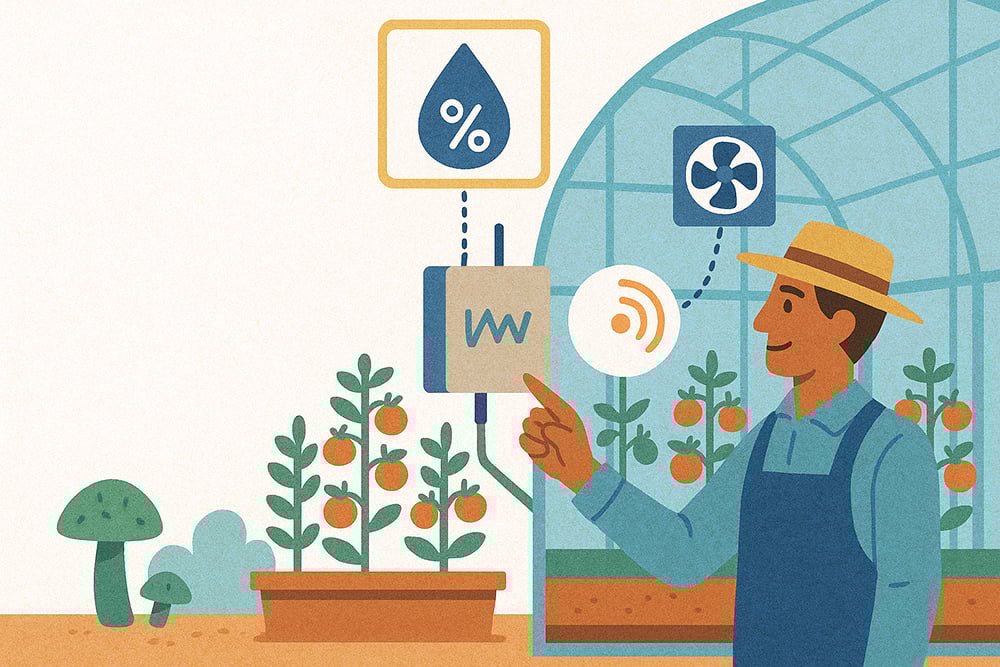
Humidity measurements can also help prevent farmers from experiencing fungal growth while maintaining enough transpiration for plants to thrive. When humidity sensors are coupled with automated ventilation systems, farmers can gain complete control over greenhouse and indoor farming environments, thus reducing diseases and optimizing crop growth.
Water management has evolved from simple irrigation timers to sophisticated systems integrating multiple data points. Modern flow meters work with soil moisture sensors, weather forecasts, and evapotranspiration models to optimize irrigation. These systems can detect leaks immediately, adjust water pressure for optimal distribution, and maintain detailed usage records for regulatory compliance.
Soil pH monitoring has become a cornerstone of precision agriculture. Advanced pH sensors provide continuous readings across fields, allowing farmers to create detailed pH maps and utilize automated fertilization. In hydroponic systems, automated pH monitoring and adjustment systems maintain optimal conditions for nutrient uptake, ensuring maximum growth efficiency.
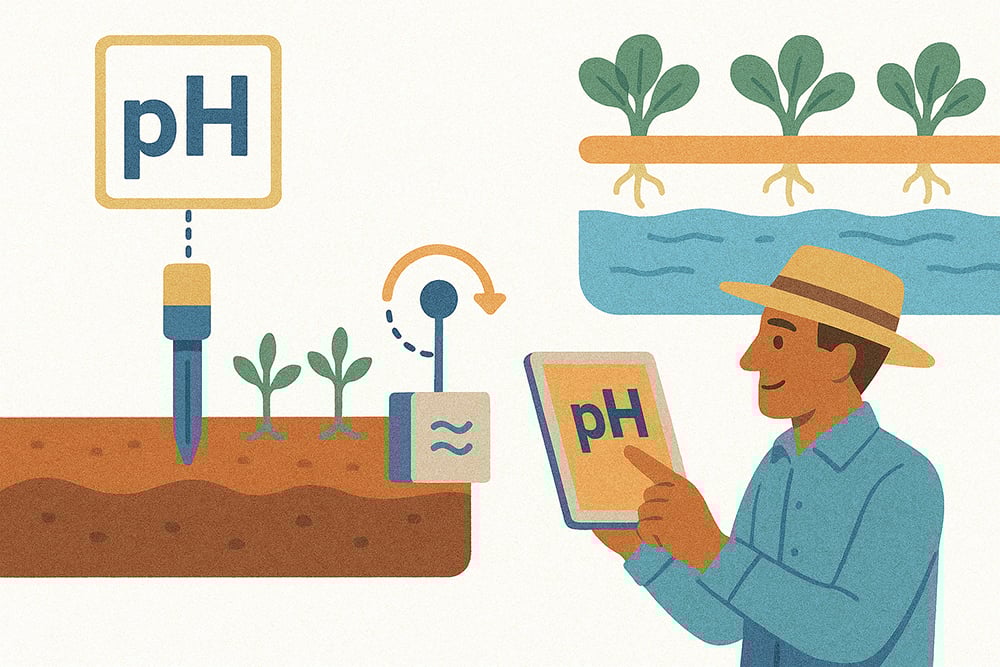
At Atlas Scientific, farmers can benefit from our 3-in-1 Wi-Fi Hydroponics Kit, which accurately measures pH, conductivity, and temperature. The kit collects the readings and uploads them to ThingSpeak, which allows for remote readings on a phone, tablet, or PC.
Artificial intelligence has revolutionized how we approach farming decisions and operations. Modern AI systems can process vast amounts of data from multiple sources, including sensor networks, weather forecasts, and historical farming records, to provide actionable insights that would be impossible to derive manually.
Advanced machine learning algorithms analyze historical crop data alongside real-time sensor information to predict optimal growing conditions and potential issues before they arise. These systems can accurately forecast disease outbreaks, pest infestations, and yield potential. By learning from each growing season, AI systems become increasingly sophisticated in their predictions and recommendations.
Computer vision technology has become an integral part of modern farming operations. AI-powered cameras can continuously monitor crop health, identifying signs of disease or nutrient deficiency that might be invisible to the human eye. These systems can analyze thousands of plants per hour, providing early warning of potential issues and allowing for targeted intervention before problems spread.
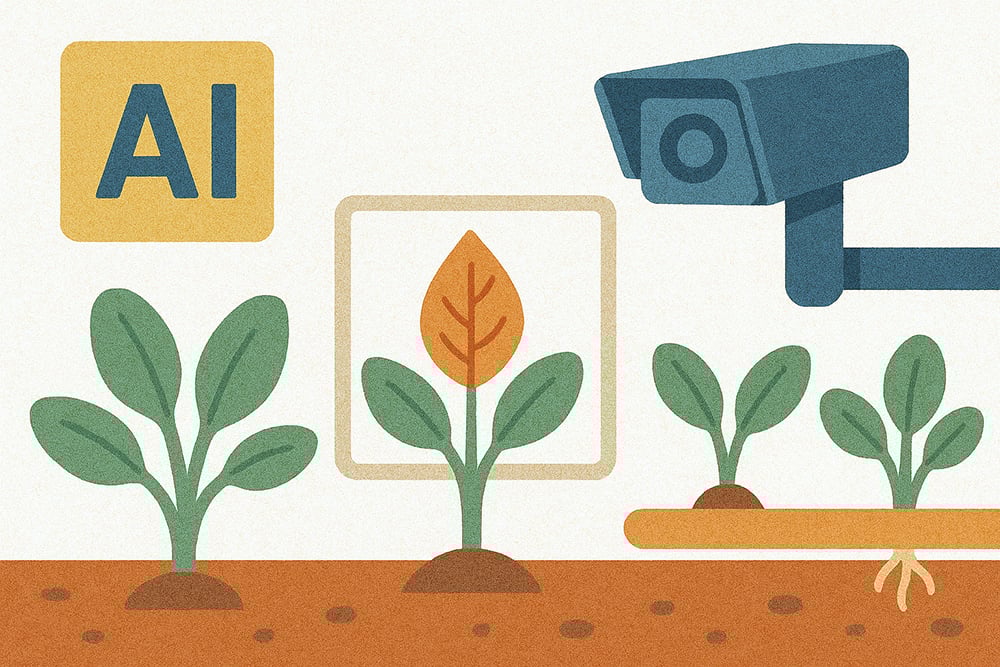
AI systems now serve as sophisticated decision-support tools for farmers. By analyzing data from multiple sources, these systems can recommend optimal times for planting, irrigation, fertilization, and harvest. They can also adjust environmental controls in real-time, maintaining ideal growing conditions without constant human oversight.
One of the most significant benefits is increased efficiency and productivity. Automated systems can operate 24/7, performing tasks like planting, watering, fertilizing, and harvesting with a precision that surpasses human capabilities. For instance, computerized irrigation systems can deliver water to crops based on soil moisture sensors, reducing water waste while optimizing plant growth.
Labor cost reduction is another crucial advantage. With the growing challenge of agricultural labor shortages worldwide, automated systems ease the pressure on farmers. Automated farming systems can handle repetitive tasks consistently, allowing farmers to reallocate human workers to more skilled positions that require decision-making and oversight. This reduces operational costs and addresses the increasing difficulty of finding seasonal agricultural workers.
Precision agriculture, enabled by automation, leads to optimized resource usage. GPS-guided tractors can plant seeds with immense accuracy, while automated spraying systems apply pesticides and fertilizers only where needed. This precision reduces input costs and minimizes environmental impact by preventing the overuse of chemicals and resources.
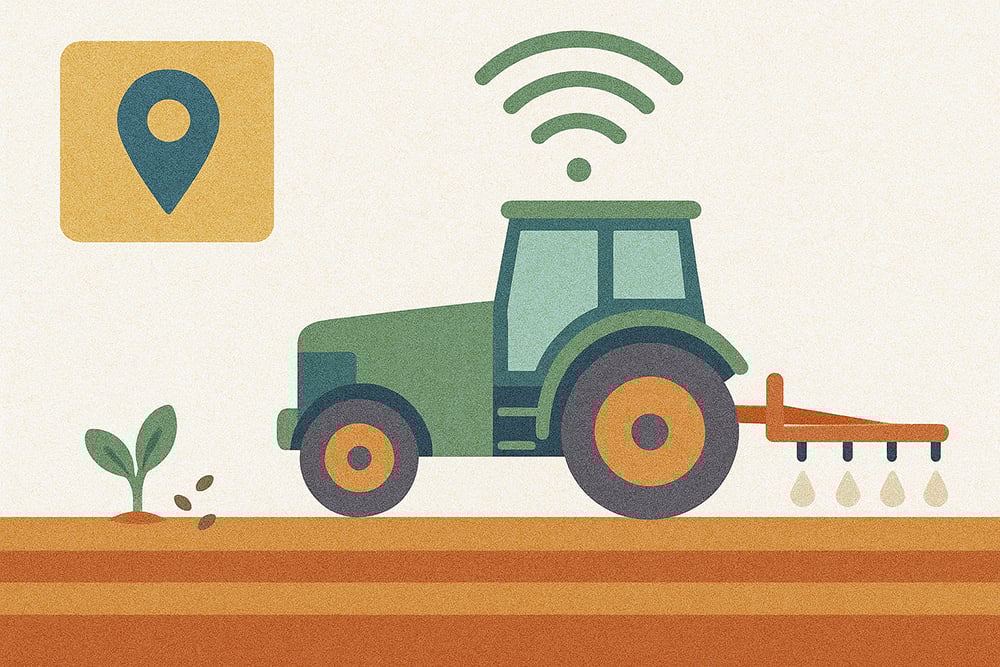
Data-driven decision-making represents another valuable benefit. Automated systems continuously collect and analyze data about soil conditions, crop health, weather patterns, and yield rates. This wealth of information helps farmers make more informed decisions about crop management, operation timing, and resource allocation. The result is improved crop yields and better risk management.
Automation significantly enhances environmental sustainability. Automated systems help decrease agriculture’s environmental footprint by optimizing resource use and reducing waste. For example, precision spraying can reduce pesticide use by up to 95% compared to traditional application methods. Additionally, automated systems can help monitor and maintain soil health more effectively, promoting sustainable farming practices.
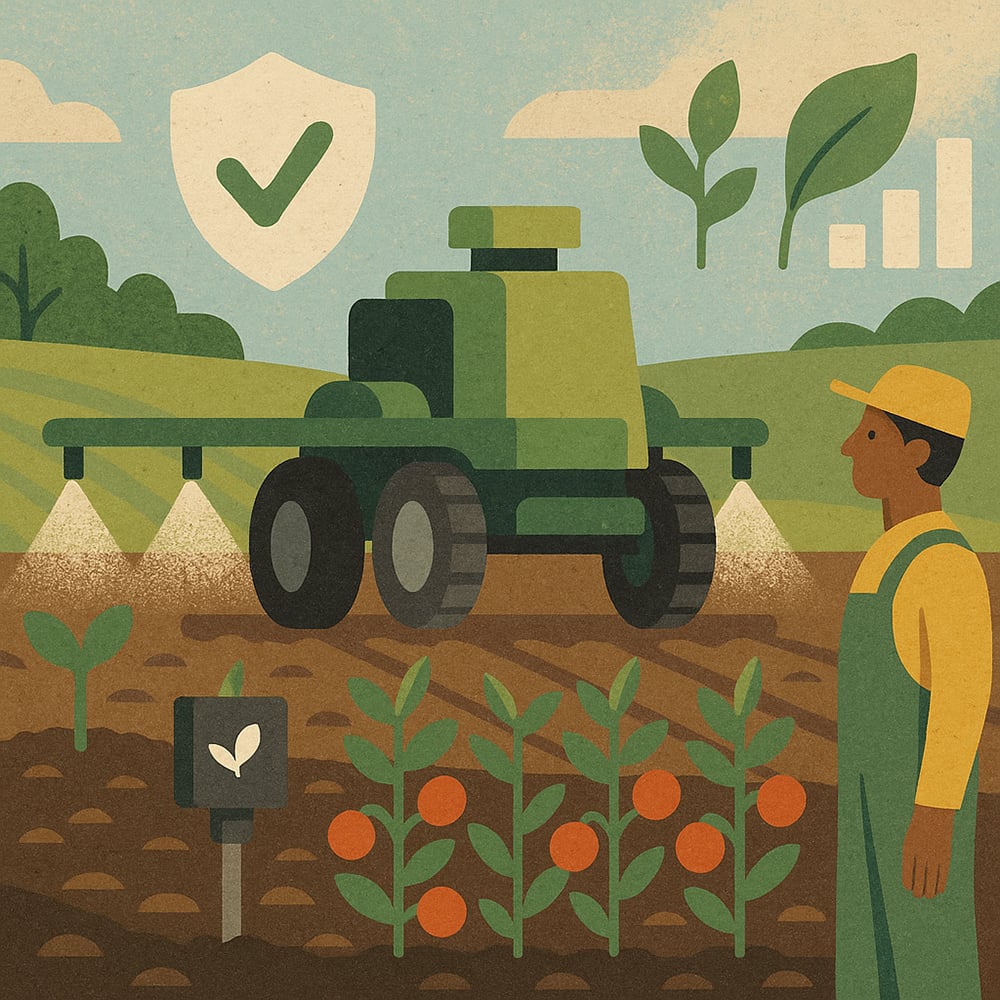
Automation improves quality and consistency in crop production. Robots can harvest crops at optimal ripeness and handle produce with consistent gentleness, reducing damage and waste. Automated sorting and grading systems ensure uniform product quality, which is particularly valuable for commercial farming operations.
Automated systems increase weather resilience. They can respond quickly to changing weather conditions, such as automatically activating frost protection systems or adjusting irrigation based on rainfall predictions. This responsiveness helps protect crops from adverse weather events and reduces crop losses.
Implementing automated farming systems also creates new opportunities for young people in agriculture. Technology integration makes farming more attractive to younger generations, helping to address the aging farmer population problem while bringing new skills and perspectives to the industry.

Integrating robotics into farming operations represents one of the most significant advances in agricultural technology. Modern farming robots have evolved beyond simple automated tractors, becoming sophisticated systems capable of handling delicate and complex tasks.
Robotic harvesting systems have made remarkable progress in recent years. These machines use a combination of computer vision and sophisticated gripping mechanisms to identify ripe produce and harvest it without damage. Advanced systems can now handle delicate crops like strawberries and tomatoes, matching human-level precision while operating continuously.
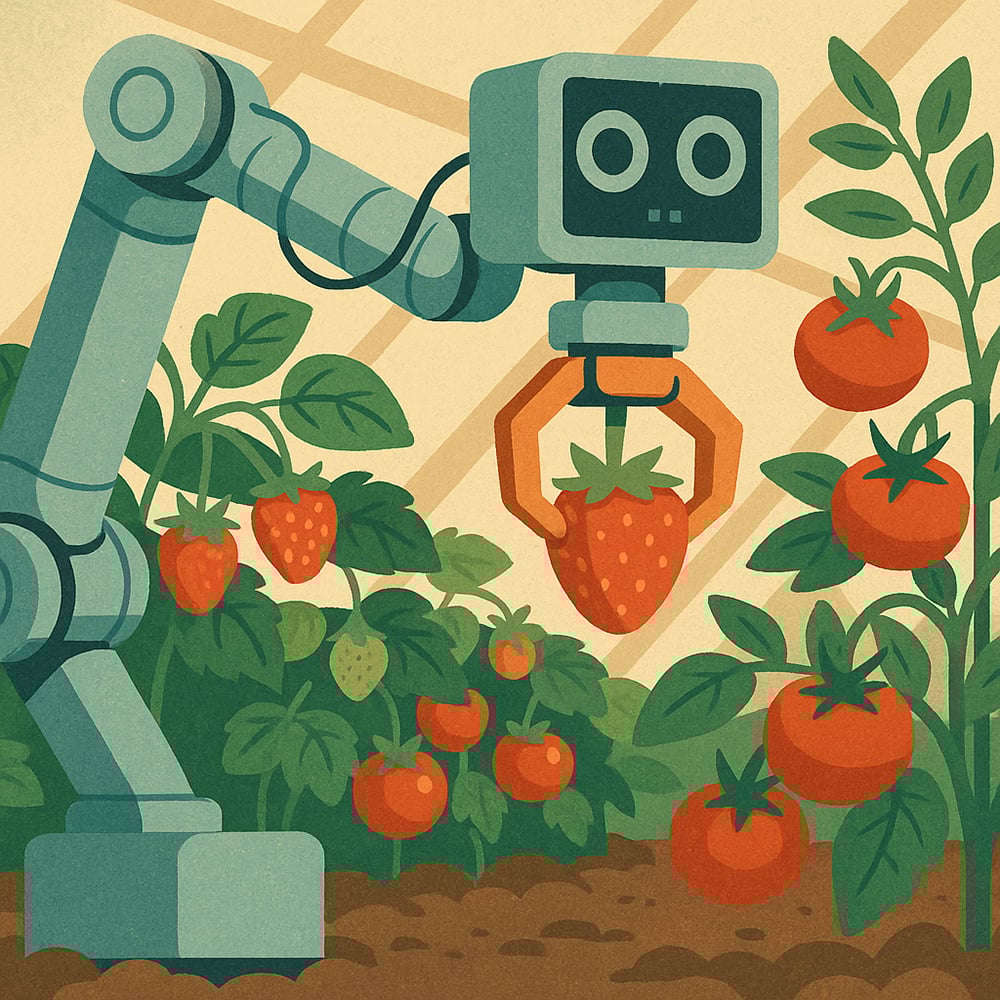
Automated planting systems have revolutionized the early stages of crop production. These robots can precisely place seeds at optimal depths and spacing while analyzing soil conditions and adjusting planting parameters in real time. Some systems can even perform soil preparation, planting, and initial fertilization in a single pass, significantly reducing labor requirements and improving efficiency.
Robotic weeding systems represent a significant advance in sustainable agriculture. These machines use AI-powered image recognition to differentiate crops and weeds, allowing for precise herbicide application or mechanical weeding. This targeted approach can reduce herbicide use by up to 90% while maintaining effective weed control.
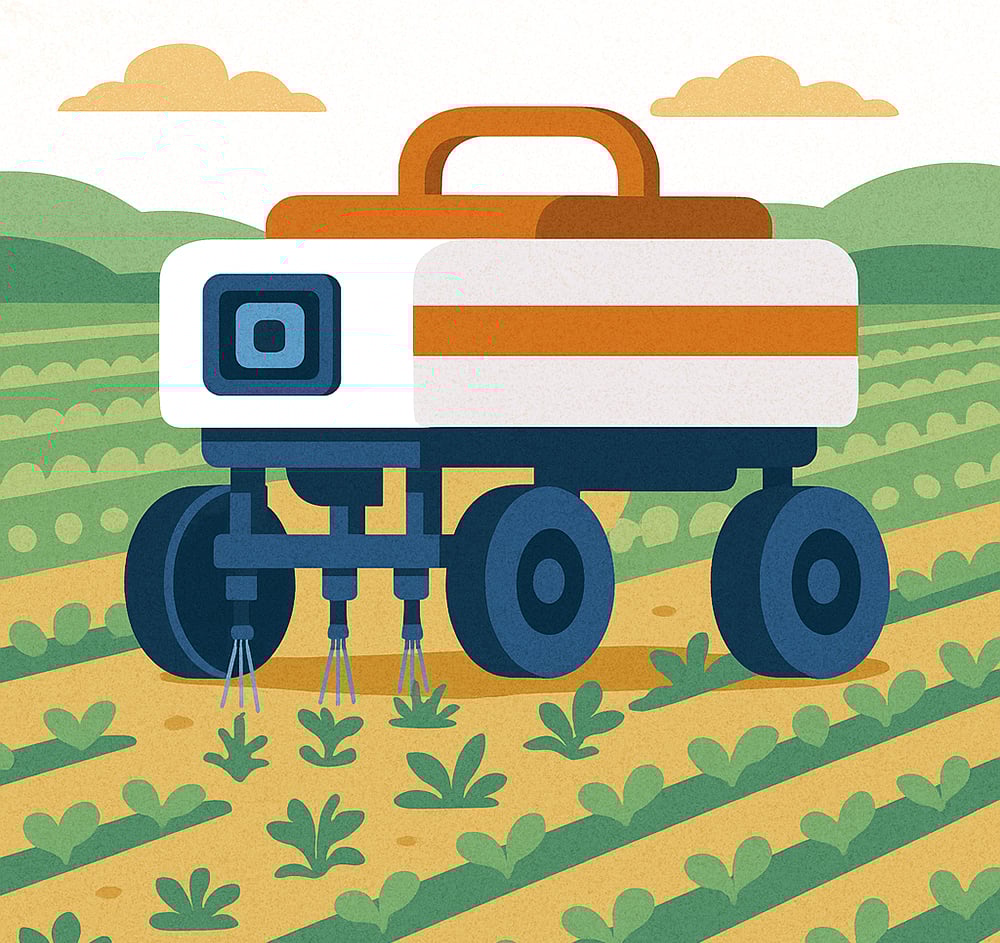
Commercial farming operations benefit from comprehensive monitoring systems that track multiple environmental parameters simultaneously, providing real-time insights into crop conditions and field performance. Automated irrigation management systems are particularly valuable in large-scale settings, where precise water distribution significantly impacts both yields and operational costs.
Climate control integration works alongside monitoring equipment to maintain optimal growing conditions, automatically adjusting parameters based on real-time data and predictive analytics. This results in yield optimization that often exceeds traditional methods, with many operations reporting 20-40% productivity increases after implementing automation systems.
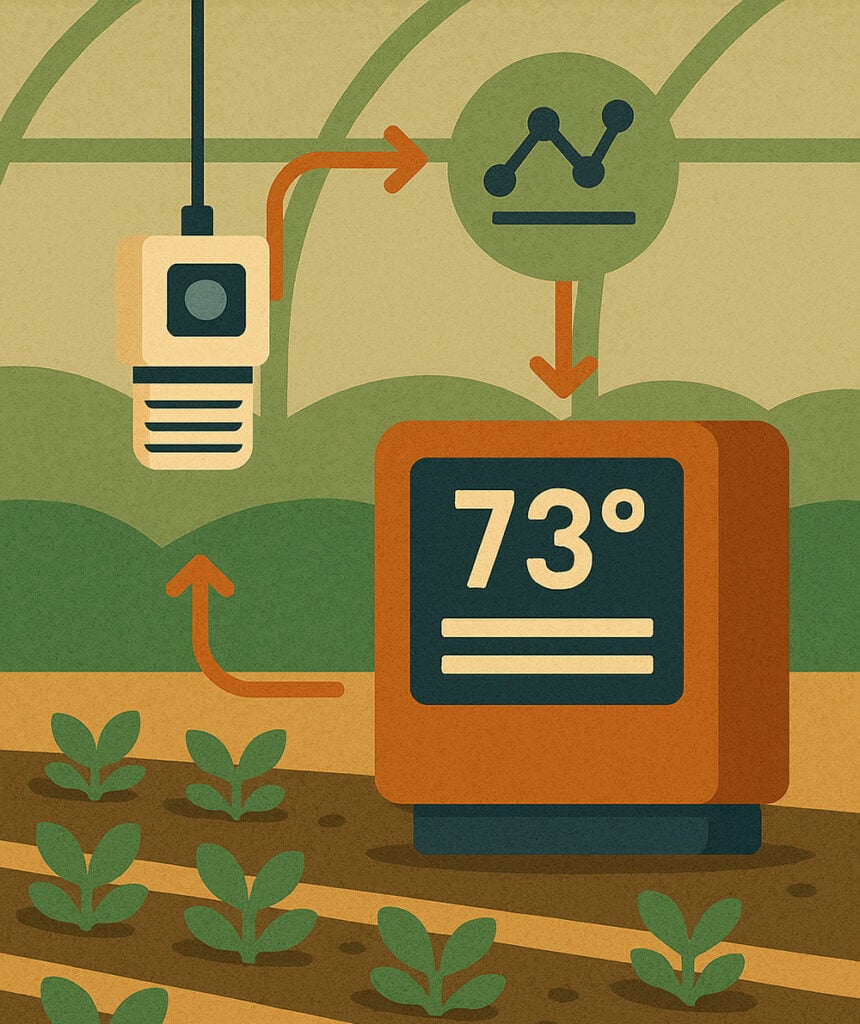
Greenhouse environments require precise environmental control to maintain optimal plant growth while minimizing energy consumption. Modern automation systems excel at managing the complex interplay between temperature, humidity, light levels, and air circulation.
Automated ventilation systems work continuously to maintain proper air circulation and prevent moisture or heat buildup. Humidity management is particularly critical, as excess moisture can lead to fungal diseases while insufficient humidity stresses plants and reduces growth rates.
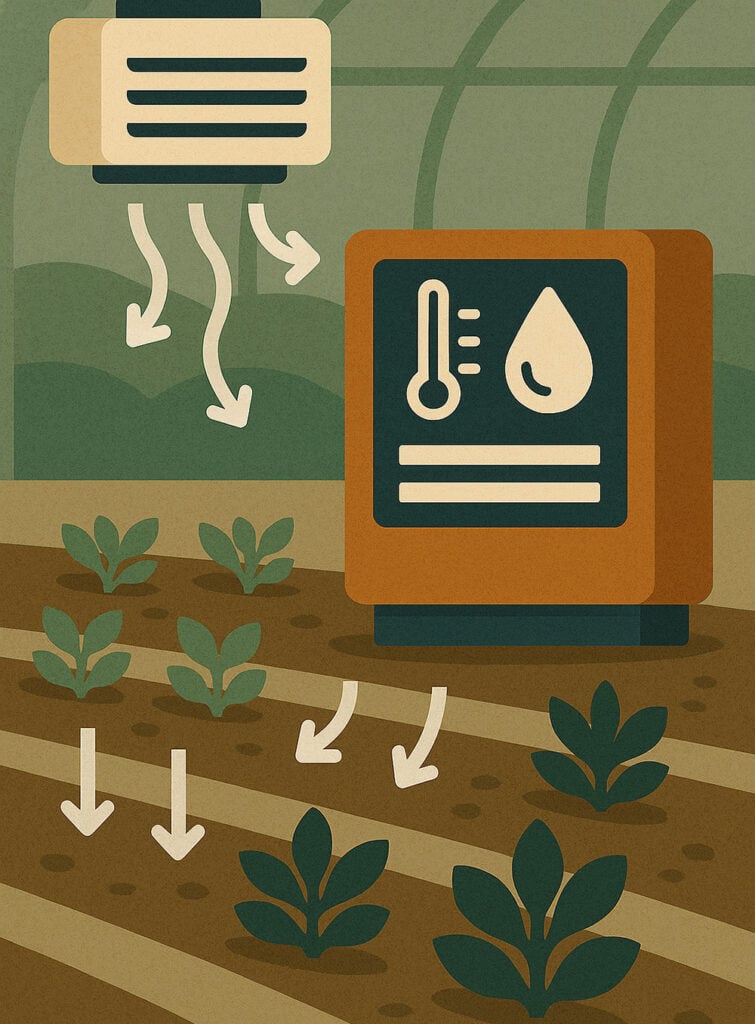
Temperature regulation in automated systems goes beyond simple heating and cooling, creating microclimates within different greenhouse zones. This allows cultivation of different crop varieties with varying requirements within the same facility, maximizing growing space efficiency.
Hydroponic farming depends on automated systems for maintaining precise soilless cultivation conditions. Accurate pH monitoring operates continuously to ensure optimal nutrient uptake, with pH levels maintained within narrow ranges of 5.5-6.5 for successful crop production.
Nutrient level control involves monitoring electrical conductivity, dissolved solids, and individual nutrient concentrations. Automated systems detect imbalances and make real-time adjustments to maintain optimal growing conditions with precision impossible through manual monitoring.
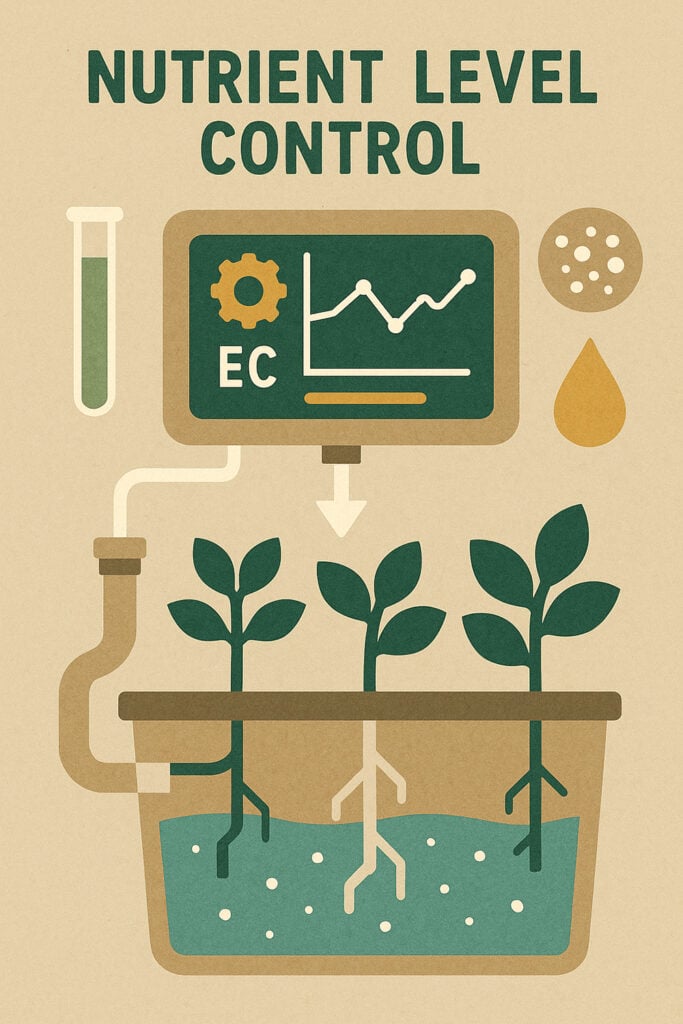
Water quality management extends beyond pH and nutrients to include temperature control, dissolved oxygen levels, and contamination detection. Flow rate optimization ensures even nutrient distribution throughout the growing system, preventing stagnation or inadequate nutrition that could compromise plant health.
Maintain sensor accuracy through:
Keep systems current with:
Address common issues through:
Emerging Technologies – The future of automated agriculture will be shaped by advanced AI integration and sophisticated machine learning applications. IoT sensor networks will work alongside robotics and automation systems to create fully connected farming environments.
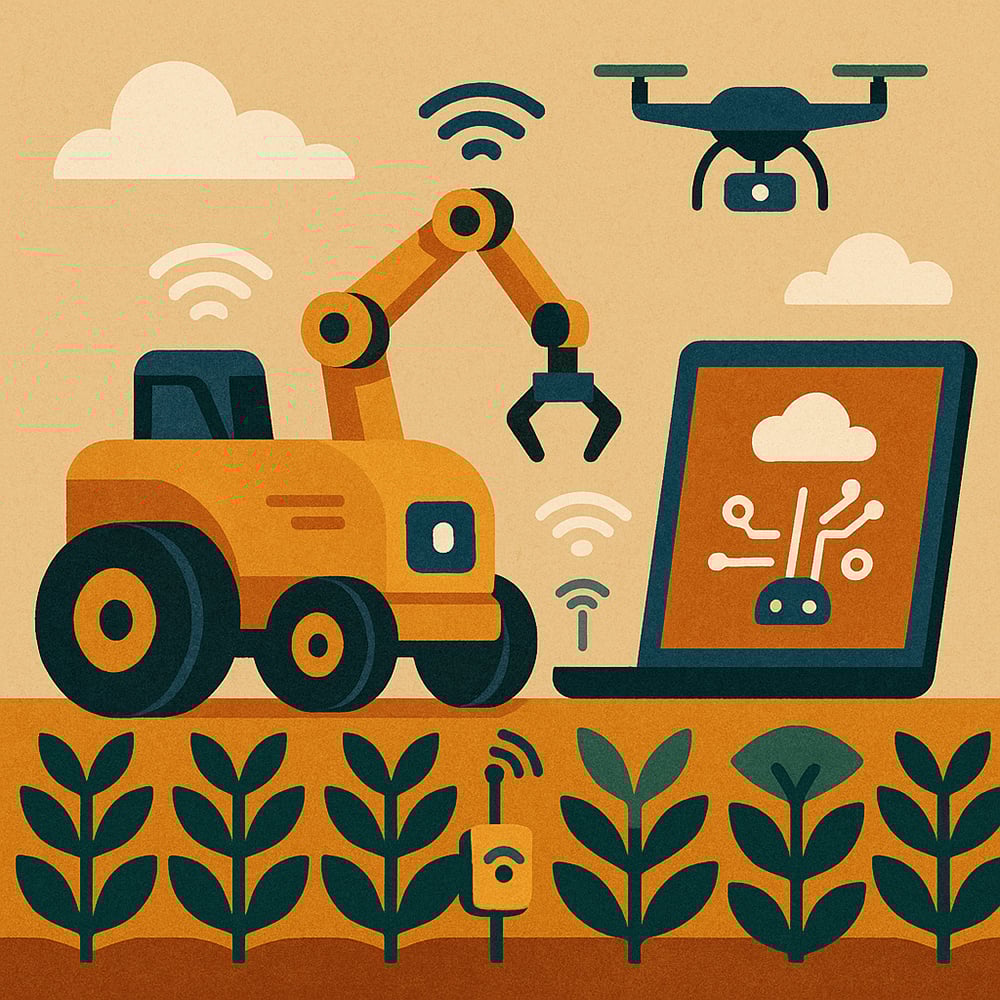
Sustainable Practices – These technological advances will enable energy-efficient systems and improved water conservation methods. Farmers will benefit from reduced chemical usage while maintaining comprehensive environmental monitoring capabilities.
Automated farming systems represent the future of agriculture, offering solutions to global food production challenges while promoting sustainability and efficiency. Farmers can optimize operations, reduce resource consumption, and increase productivity by integrating precise measurement devices and intelligent control systems.
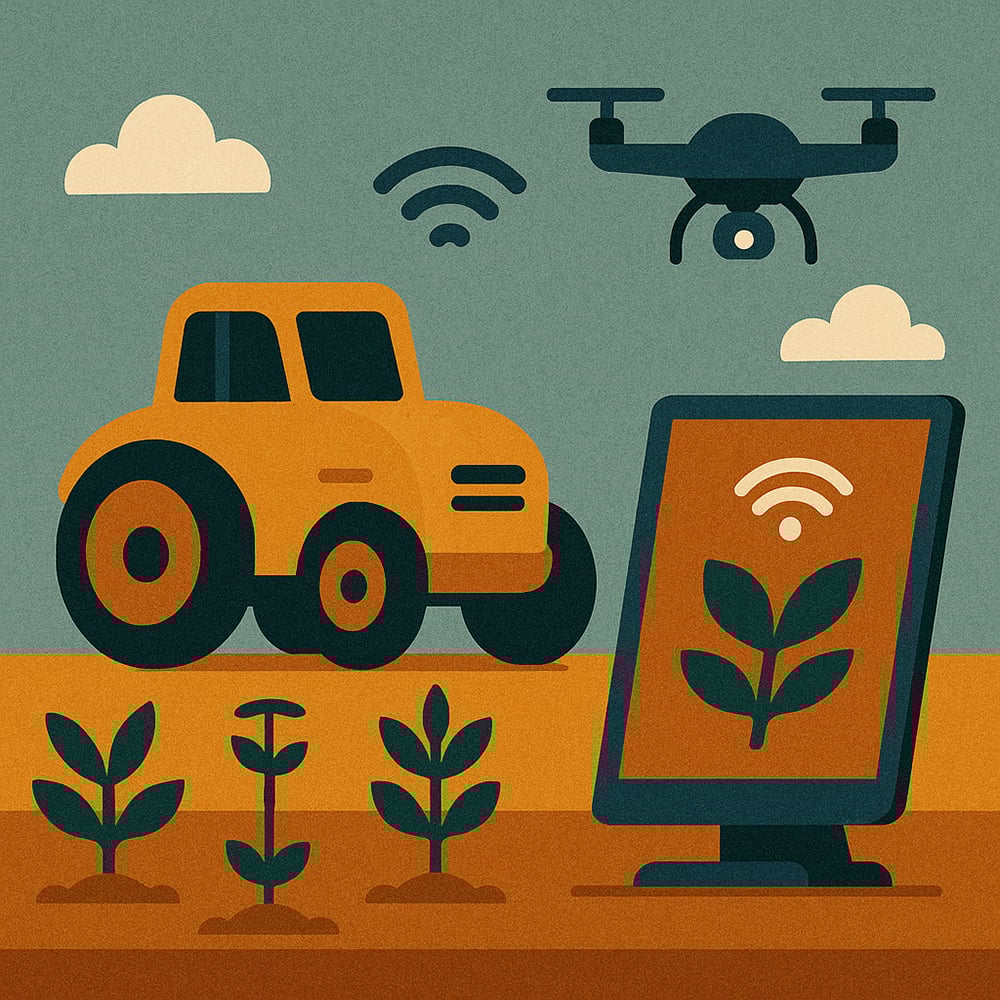
The time to embrace these technologies is now, as they will be crucial in meeting the growing global demand for food while preserving our natural resources for future generations. If you would like to learn more about how you can integrate sensors into your automated farming system, do not hesitate to contact the world-class team at Atlas Scientific.
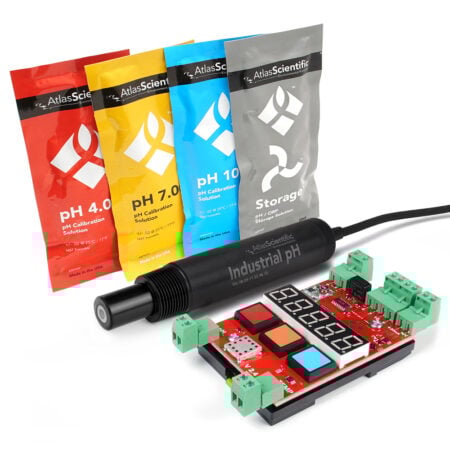


Maintaining the correct pH inside a bioreactor is essential for successful fermentation, cell culture, and bioprocess optimization. Even small pH fluctuations can dramatically affect enzyme

Reverse osmosis water is best for hydroponics, providing near-zero EC and removing contaminants. It offers reliable results, precise nutrient control, and typically pays for itself