
Blog
Best pH Sensor for Bioreactors
Maintaining the correct pH inside a bioreactor is essential for successful fermentation, cell culture, and bioprocess optimization. Even small pH fluctuations can dramatically affect enzyme

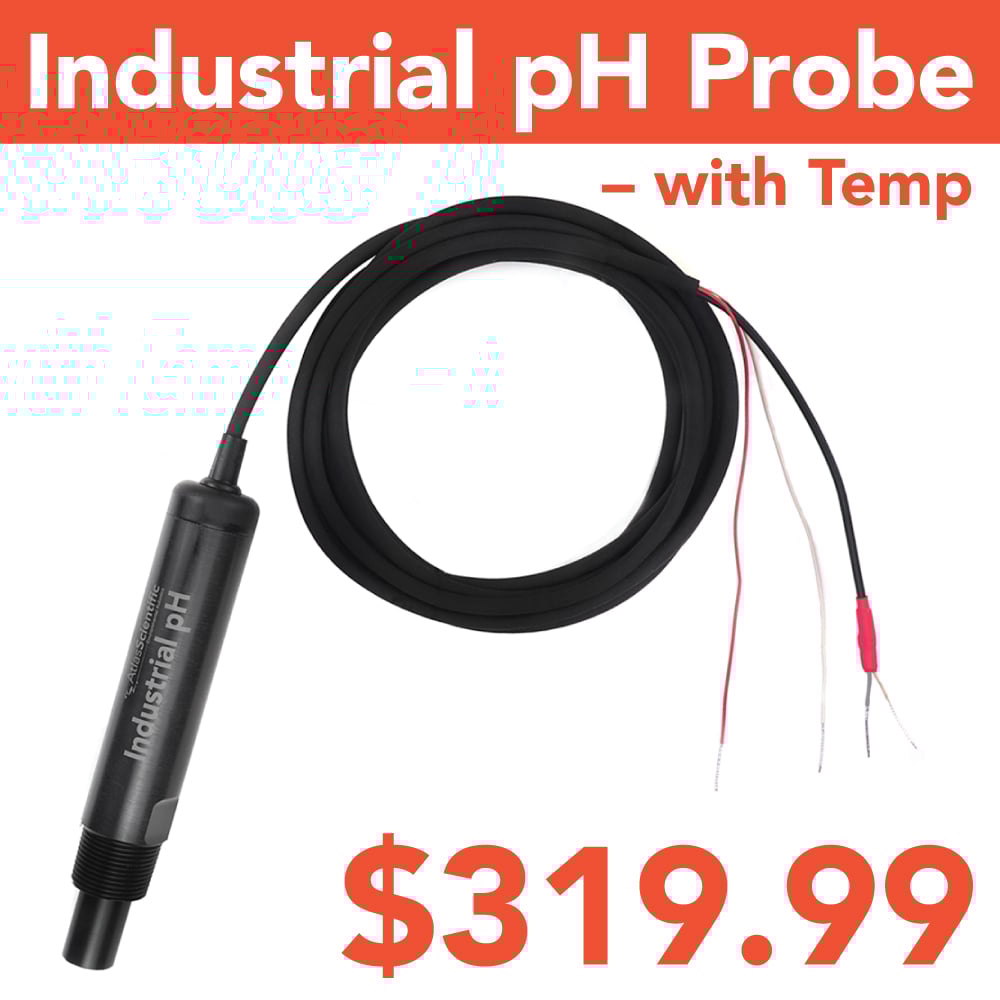

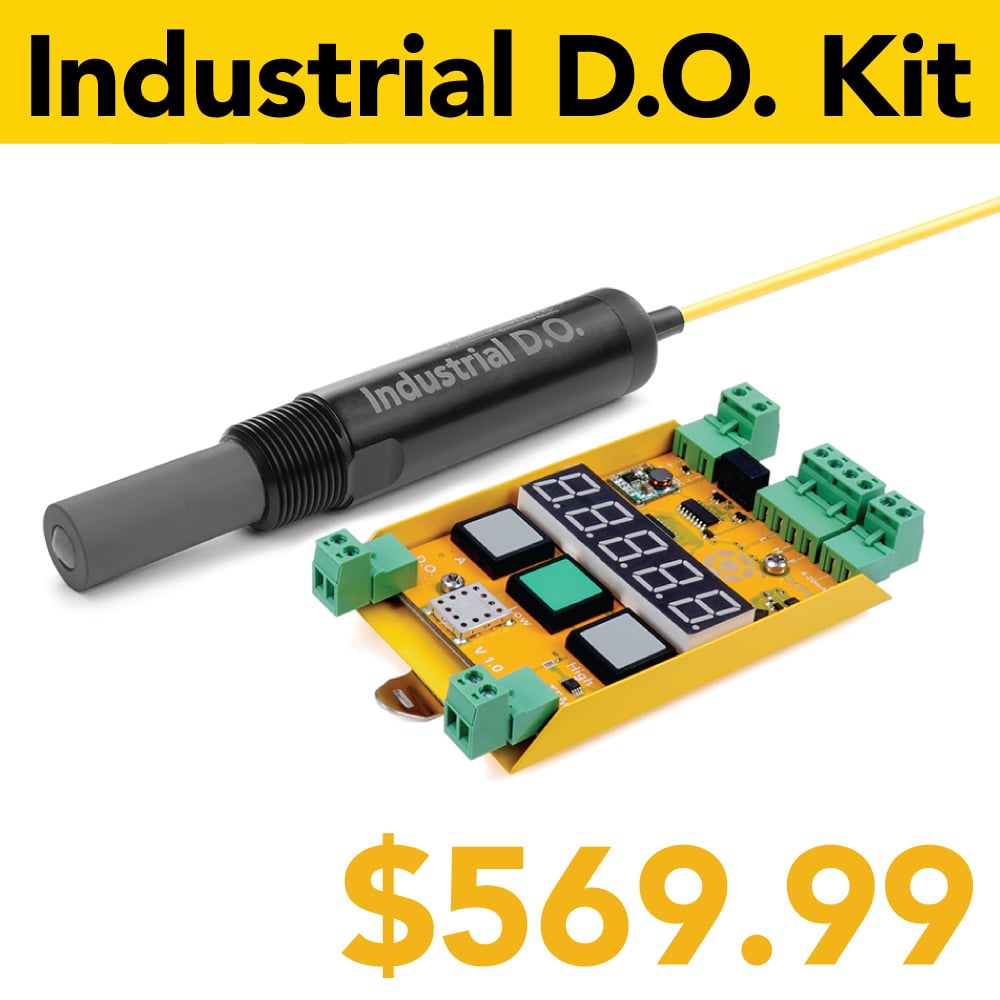


Accurate EC (electrical conductivity) measurement is the backbone of successful hydroponics. It determines nutrient balance, plant health, root vitality, and overall crop performance. While there are many EC meters on the market, including household names like Bluelab, Hanna Instruments, Apera Instruments, and HM Digital, none of them offer the precision, flexibility, and long-term durability that Atlas Scientific EC meters deliver.
Whether you’re a commercial grower, a research facility, or a serious hobbyist building automated nutrient dosing systems, Atlas Scientific stands in a class of its own.
In this article, we’ll take a closer look at five of the most popular EC meters on Amazon, comparing their features, performance, and suitability for different applications.
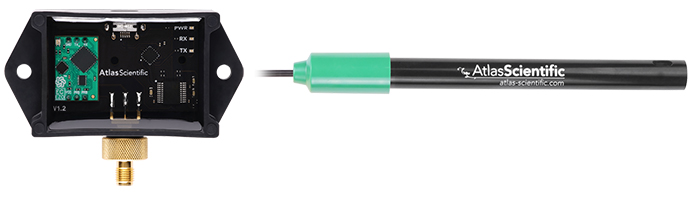
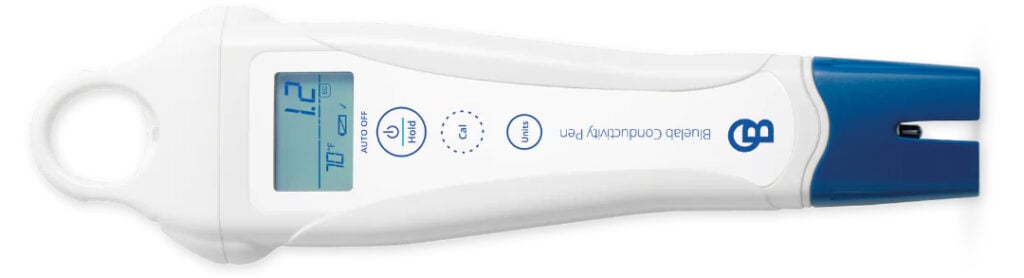
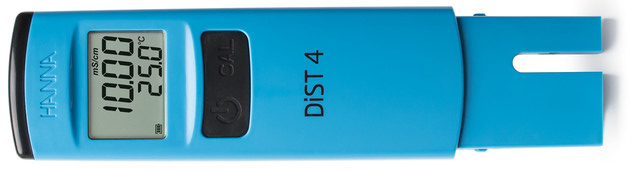
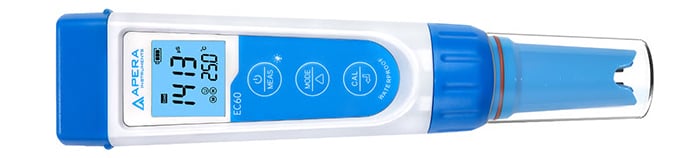
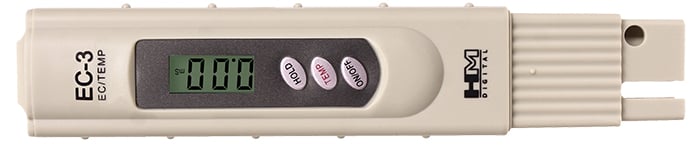
Lab-Grade Accuracy That Outperforms Hydroponic Pens
Most hydroponic EC pens are designed for quick checks, not professional-level accuracy. They work for simple nutrient reservoirs but struggle with:
Atlas Scientific, on the other hand, builds EC sensors to laboratory standards:
In hydroponics, where small EC changes can directly impact plant health, this level of accuracy directly translates into higher yields, healthier plants, and fewer nutrient-related issues.
Designed for Continuous Immersion, Not Occasional Dipping
Competitor meters like Bluelab or Apera are handheld pens. They are designed for spot-checking, meaning:
Hydroponic systems, especially commercial or automated ones, require continuous EC monitoring, which most portable meters can’t handle.
Modular, Expandable, and Automation Ready
This is where Atlas Scientific truly separates itself from Bluelab, Hanna, and Apera. Our conductivity probes and circuits are built specifically for integration and automation.
Hydroponic growers are increasingly turning to IoT automation, microcontrollers, PLCs, data logging, and smart nutrient systems. Most EC pens simply can’t interface with these systems.
Atlas Scientific EC meters:
Bluelab, Hanna, and Apera devices are closed, fixed designs. They cannot be integrated, modified, or scaled into larger systems.
For growers building advanced hydroponic setups, Atlas isn’t just better, it’s the only viable choice.
Wider Measurement Range Than Bluelab, Hanna, Apera, or HM Digital
Most hydroponic EC pens operate in mid-range conductivity. Which is perfectly fine for basic nutrient solutions, but limiting for:
Atlas Scientific meters, however, support:
This versatility means one Atlas probe can handle everything from seedling propagation to concentrated fertilization systems.
| Brand / Model | EC Range (as specified) | Stated Accuracy | Resolution (EC) |
| Atlas Scientific Resolution (EC) | 0.07 – 500,000+ µS/cm | ±2% of reading | 0.01μS/cm (0.07 – 99) 01μS/cm (100.1 – 999.9) 1.0μS/cm (1,000 – 9,999)10μS/cm (10,000–99,990) |
| Bluelab Conductivity Pen | 0.0 – 10.0 EC | ±0.1 EC at 2.77 EC & 25 °C | Not specified |
| Hanna DiST 4 / 6 | 0 – 20,000 µS/cm | ±2% full scale | Not specified |
| Apera EC60 | 0 – 2000 µS/cm | ±1% of full scale | Not specified |
| HM Digital EC-3 | 0 – 9,990 µS/cm | ±2% | 1 µS (0–999), then 10 µS (1000–9990) |
What stands out for Atlas Scientific:
Its upper range (500,000+ µS/cm) is 25× higher than Apera or Hanna’s 20 mS/cm ceiling and ~50× higher than Bluelab/PEN or HM EC-3. That’s a huge advantage if you ever deal with stock solutions, extreme nutrients, or industrial / brine cross-over use.
| Brand / Model | Temp Compensation | Temp Range | Notes |
| Atlas Scientific EZO-EC + probe | Automatic Temp Comp and Digital temp compensation using an external RTD sensor | 1 − 110 °C | Full control over compensation algorithm, reference temp, and integration into your own code. Learn more about how temperature affects conductivity. |
| Bluelab Conductivity Pen | Automatic Temp Comp (ATC) with built-in temp sensor | 0 – 50 °C | Optimized for nutrient reservoirs and handheld use. |
| Hanna DiST 4 / 6 | ATC via exposed fast‐response temperature probe | 0 – 50 °C | Emphasis on quick response in the field/lab. |
| Apera EC60 | Automatic Temp Comp | 0 – 50 °C | Also, auto-calibration and dual display (EC & temp). |
| HM Digital EC-3 | Automatic Temp Comp | 0 – 80 °C | Simple digital thermometer with ATC. |
What stands out for Atlas Scientific:
Instead of a fixed ATC curve, Atlas lets you explicitly control temperature compensation in firmware (set reference temperature, etc.), which matters in hydroponics if you want tight control or are logging data over wide temperature swings.
| Brand / Model | Form Factor | Continuous Immersion | Integration / Connectivity |
| Atlas Scientific EZO-EC + probe | Separate probe + PCB circuit; meant to be mounted inside controllers, PLC boxes, IoT devices. | Atlas Scientific probes and Complete-EC kits are designed for long-term immersion and continuous monitoring. | I²C or UART digital interface, ASCII commands; works with Arduino, Raspberry Pi, ESP32, PLCs, etc. |
| Bluelab Conductivity Pen | Handheld, sealed pen-style meter. | Designed for spot checks, not permanent submersion. | None – standalone handheld; no digital output. |
| Hanna DiST 4 / 6 | Pocket tester, handheld. | Intended for dipping/field checks, not fixed immersion. | None – standalone handheld. |
| Apera EC60 | Premium pocket tester kit (pen-style). | Designed for regular use but not continuous 24/7 immersion. | None – standalone handheld. |
| HM Digital EC-3 | Simple handheld pen with case. | Dipping only; not rated for continuous submersion. | None – standalone handheld. |
What stands out for Atlas Scientific:
For always-on reservoir monitoring and automation, Atlas Scientific is the only one here that’s designed to live in the tank and stream data into a controller. The others are “walk up, dip, read, put away” tools.
| Brand / Model | Probe Type(s) | Replaceable Probe | K-Value Options (Cell Constant) |
| Atlas Scientific EZO-EC + probe | Works with any 2-conductor EC probe from K 0.1 – K 10 | Yes – probe and circuit are separate. | Yes – you choose probe cell constant (K 0.1, 1.0, 10) depending on range. |
| Bluelab Conductivity Pen | Fixed, integrated EC / temp sensor in pen. | No (not user-swappable probe). | Fixed – “one size fits most” hydro ranges. |
| Hanna DiST 4 / 6 | Integrated graphite or stainless probe, depending on model. | Generally not user-swappable on low-end testers. | Fixed. |
| Apera EC60 | Replaceable platinum black conductivity sensor (EC60-E). | Yes – you can replace the sensor tip. | Fixed K for the application range. |
| HM Digital EC-3 | Integrated conductivity sensor. | No. | Fixed. |
What stands out for Atlas Scientific:
This is a big one: With Atlas Scientific, you can match the K value to your hydroponic range, swap probe styles, and still keep the same electronics and code.
Hydroponic success depends on tight nutrient control and proper water testing. Cheap EC pens may get you started, but they limit your accuracy, consistency, and ability to grow or automate your system. Brands like Bluelab, Hanna, Apera, and HM Digital are great for beginners, but their meters cannot match the professional-grade engineering of Atlas Scientific.
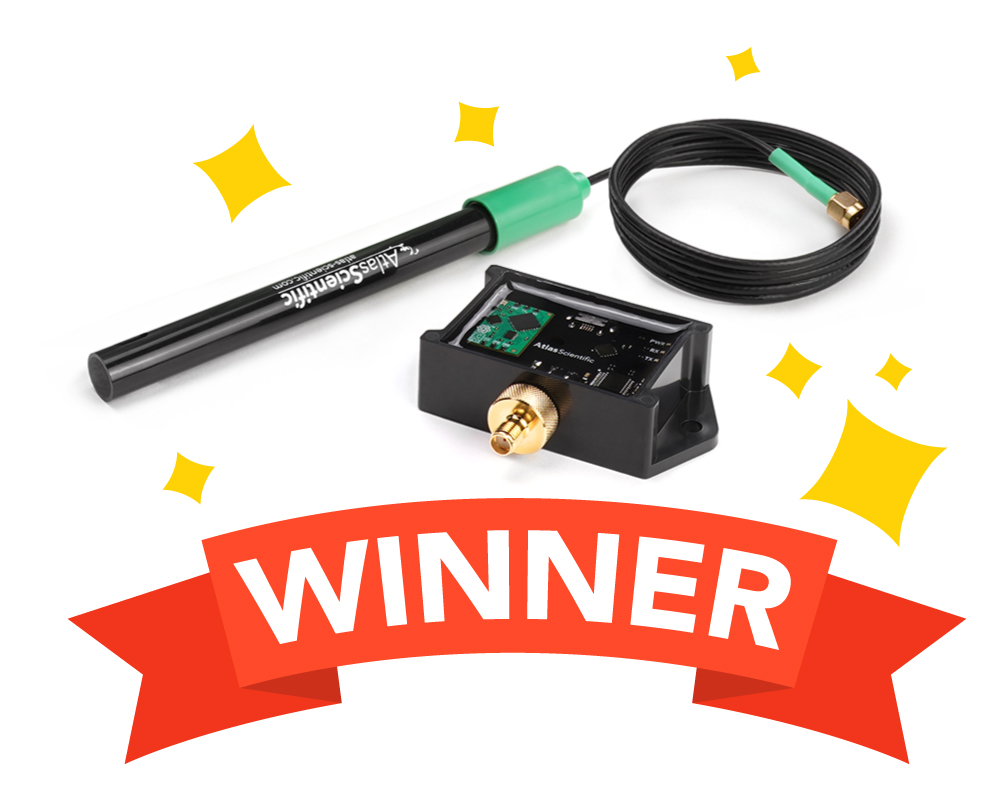
Understanding the relationship between pH and EC is crucial for complete nutrient management. Higher yields, continuous monitoring, better nutrient stability, automation and scalability, and long-term reliability all come together in one solution; Atlas Scientific is the clear choice.


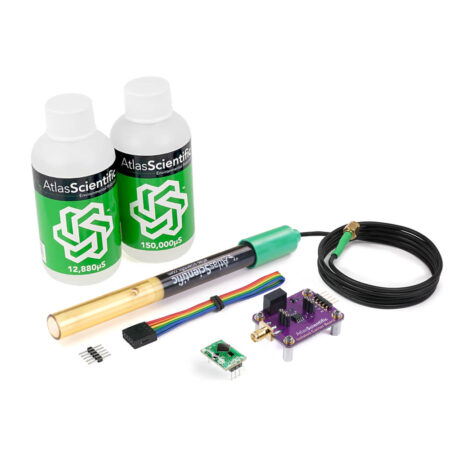
Maintaining the correct pH inside a bioreactor is essential for successful fermentation, cell culture, and bioprocess optimization. Even small pH fluctuations can dramatically affect enzyme

Reverse osmosis water is best for hydroponics, providing near-zero EC and removing contaminants. It offers reliable results, precise nutrient control, and typically pays for itself