
Blog
Best pH Sensor for Bioreactors
Maintaining the correct pH inside a bioreactor is essential for successful fermentation, cell culture, and bioprocess optimization. Even small pH fluctuations can dramatically affect enzyme




Maintaining the correct pH inside a bioreactor is essential for successful fermentation, cell culture, and bioprocess optimization. Even small pH fluctuations can dramatically affect enzyme activity, microbial growth, and product yield. In many systems, even changes of ±0.1–0.2 pH units can significantly impact biological performance. Because of this, modern bioprocessing systems rely on high-accuracy pH sensors connected to automated control systems that can dose acid or base to maintain optimal conditions.
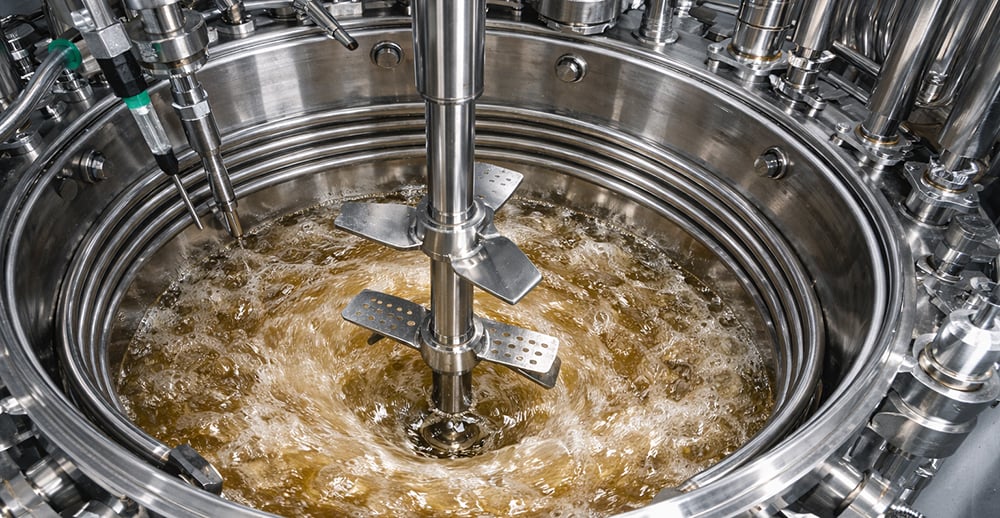
However, not all pH probes are built to withstand the demanding conditions of bioreactors. Many processes involve high-temperature sterilization, pressurized vessels, aggressive chemicals, and long operational cycles. The best bioreactor pH sensors must therefore offer:
To help you choose the right sensor, we reviewed five of the best pH probes for bioreactors used in research labs, pilot-scale systems, and industrial fermentation.

The Atlas Scientific Research Grade pH Probe is designed for laboratories and advanced research applications that demand high accuracy and reliable long-term performance. With its durable construction and precise electrochemical sensing element, it is well-suited for fermentation monitoring, microbial culture, and experimental bioreactors.
While many industrial probes are optimized for large-scale installations, the Atlas Scientific probe excels in research and custom bioreactor application setups, where flexibility, precision, and integration with electronics platforms are critical.
Its compatibility with compact pH circuits and embedded systems makes it particularly attractive for lab-scale bioreactors, custom fermentation rigs, and automated research platforms.

Hamilton is a well-known manufacturer of sensors used in biopharma and fermentation systems. Their pH sensors are widely used in process analytics because they offer high stability and specialized electrode designs for different applications.
The Hamilton EasyFerm Plus pH Sensor uses a pre-pressurized reference system, which helps prevent process media from entering the reference junction, reducing drift and improving long-term stability in complex fermentation broths.
Designed to withstand autoclaving, SIP, and CIP sterilization cycles, along with clog-resistant electrolyte and diaphragm materials, it delivers stable, long-term pH measurements in demanding bioreactor applications.

Mettler Toledo’s InPro series is commonly used in pharmaceutical fermentation and industrial biotech processes. These probes are designed to deliver accurate measurements even after repeated sterilization cycles.
The Mettler Toledo InPro 3253i pH Probe is specifically designed for biopharmaceutical fermentation and hygienic process environments, where sensors must maintain accuracy even after repeated sterilization cycles.
The probe uses a steam-sterilizable glass membrane that allows it to withstand frequent autoclaving, SIP, and CIP procedures while still delivering stable pH measurements, an essential requirement for sterile bioreactor processes.

The Memosens CPS61E is a digital pH sensor designed for hygienic industries such as food, beverage, and biotechnology. It supports digital communication and sterilization processes required in many bioreactors.
The Endress+Hauser Memosens CPS61E is widely used in industrial biotechnology due to its rugged design and sterilization resistance. The CPS61E can tolerate CIP/SIP cleaning procedures and autoclave up to about 140 °C, while maintaining accurate and reproducible measurements.
Its hygienic design and certified biocompatibility make it suitable for regulated environments such as pharmaceutical fermentation, enzyme production, and food-grade bioprocessing, where product safety and process reliability are critical.
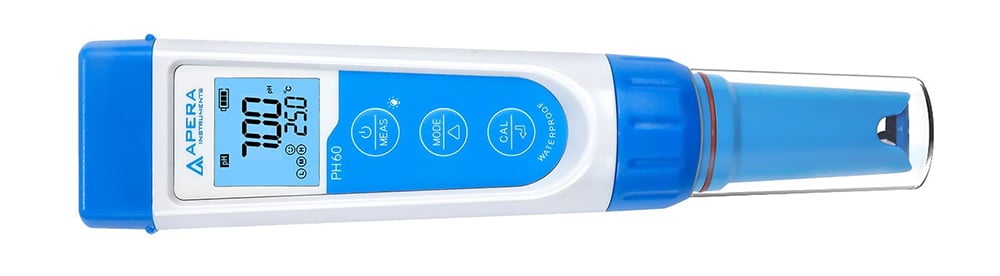
Apera Instruments are well known for producing high-accuracy laboratory pH sensors used in research labs, water analysis, and fermentation monitoring. Their probes are designed to provide reliable measurements while remaining easy to calibrate and maintain.
The Apera Instruments AI311 Premium pH Probe is balanced between accuracy and affordability, which makes it accessible for labs that need dependable pH monitoring without investing in specialized industrial probes. While it is not built for harsh sterilization cycles like some bioprocess sensors, the AI311 delivers consistent and accurate measurements for routine laboratory experiments, water analysis, and small-scale fermentation research, making it a practical option for many research environments.
| Sensor | Best For | Key Strength |
|---|---|---|
| Atlas Scientific Research Grade pH Probe | Research & custom bioreactors | High accuracy and flexible integration |
| Hamilton EasyFerm Plus | Industrial fermentation | Long-term stability in bioprocesses |
| Mettler Toledo InPro 3253i | Pharmaceutical production | Sterilization resistance and diagnostics |
| Endress+Hauser CPS61E | Automated process control | Maintains accuracy after autoclave |
| Apera Instruments AI311 Premium | General laboratory use | Affordable and widely compatible |
Choosing the best pH sensor for a bioreactor ultimately depends on the scale of your process, the operating conditions of the reactor, and how the sensor will integrate with your control system.
Large industrial fermentation systems often rely on fully integrated digital sensors designed to operate in demanding environments. These probes are typically built to withstand repeated sterilization-in-place (SIP) and clean-in-place (CIP) cycles, high pressures, and long continuous production runs. While these industrial sensors are extremely robust, they are also often tied to proprietary transmitters and control systems, which can limit flexibility for researchers or custom-built platforms.
On the other hand, single-use bioreactors commonly used in pharmaceutical manufacturing require specialized disposable sensors designed specifically for those closed production systems. These are typically optical or pre-calibrated sensor patches rather than traditional glass electrodes.
For research laboratories, experimental fermentation setups, and custom bioreactor builds, the priorities are usually different. Researchers often need sensors that are:
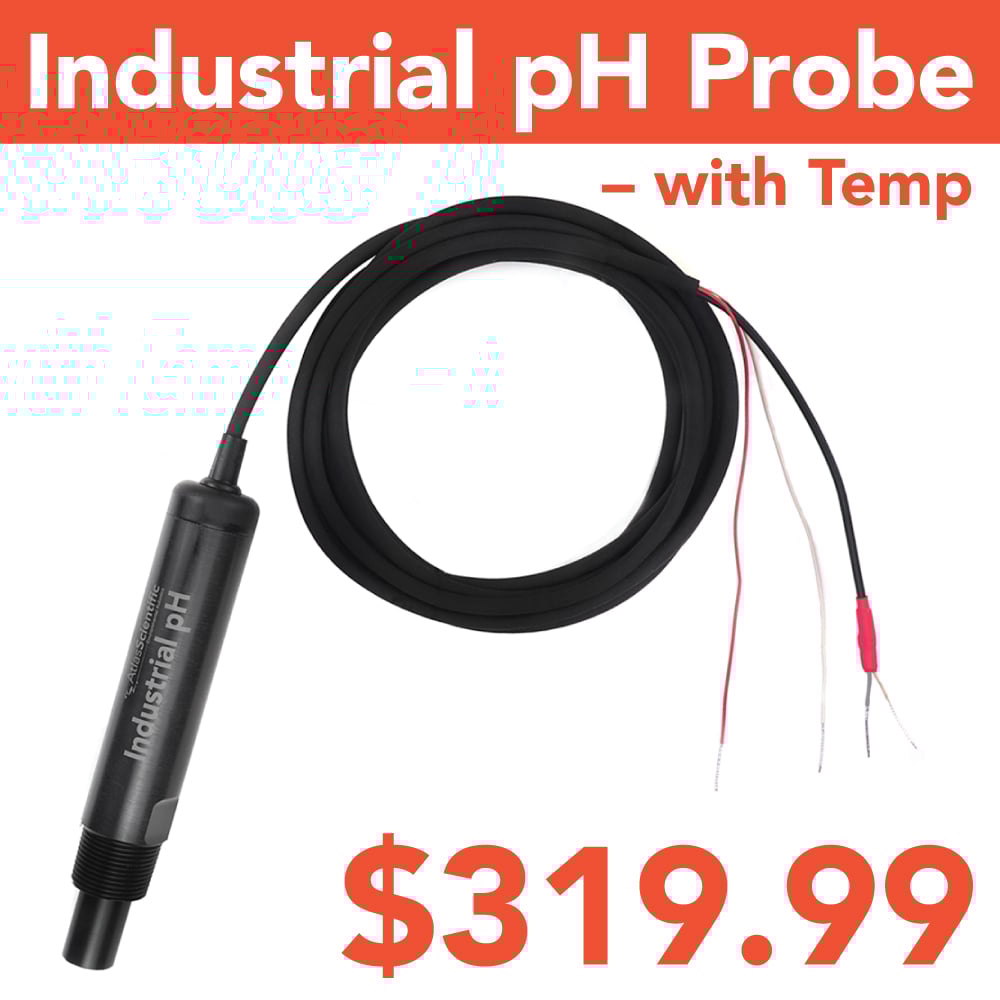
This is where the Atlas Scientific Research Grade pH Probe becomes a strong option for research and custom bioreactor systems that do not require industrial sterilization compatibility.
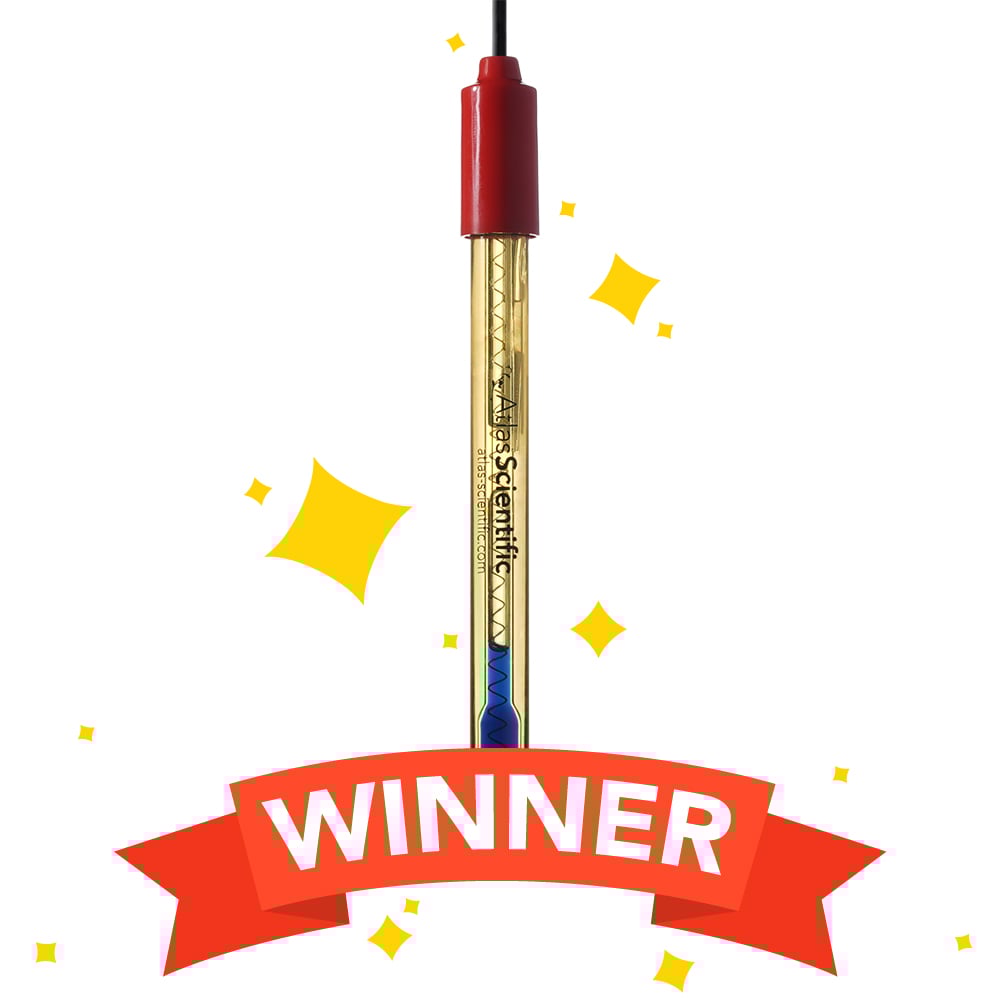
The Atlas Scientific Research Grade pH Probe is engineered specifically for precision measurement in demanding research environments, delivering excellent accuracy and fast response times across a wide pH range. Its performance depends on proper pH calibration and temperature compensation, as with all electrochemical pH sensors. Its durable materials and double-junction design provide reliable performance even in chemically aggressive solutions commonly found in fermentation and cell culture experiments.
For scientists, engineers, and innovators developing new fermentation processes or bioprocess technologies, the Atlas Scientific Research Grade pH Probe provides the precision and adaptability needed to maintain tight pH control and optimize biological growth conditions.
Maintaining the correct pH inside a bioreactor is essential for successful fermentation, cell culture, and bioprocess optimization. Even small pH fluctuations can dramatically affect enzyme

Reverse osmosis water is best for hydroponics, providing near-zero EC and removing contaminants. It offers reliable results, precise nutrient control, and typically pays for itself