

Blog
Best pH Sensor for Bioreactors
Maintaining the correct pH inside a bioreactor is essential for successful fermentation, cell culture, and bioprocess optimization. Even small pH fluctuations can dramatically affect enzyme





The best plants for hydroponics include fast-growing leafy greens, flavorful herbs, and self-pollinating fruiting crops that thrive in soilless systems, offering higher yields, efficient water use, and reliable year-round production.
Selecting plants to grow is one of the key decisions in hydroponic cultivation. While hydroponics focuses on supporting most plant species, some crops will yield exceptional results, while others may struggle despite optimal conditions. This difference between healthy and abundant harvests and frustrating failures typically comes down to selecting plants that align with soilless growing environments.
Research has shown that properly selected hydroponic plants can yield more than traditional soil-growing methods and use 90% less water. However, these impressive growing statistics only materialize when growers match plant selection to their hydroponic systems’ capabilities and environmental conditions.
In this article, we will examine the best plants for hydroponics and the precision monitoring that distinguishes mediocre results from exceptional harvests.
Not all plants naturally adapt to soilless growing. The most successful hydroponic plants share specific physiological characteristics that align with water-based growing systems.
Plants with naturally high water content, such as cucumbers, herbs, and leafy greens, absolutely love hydroponic environments. Their physiology is already optimized for high moisture availability, making the movement to a soilless system seamless. These types of plants usually develop shallow and fibrous root systems that can absorb nutrients from circulating solutions without the need for extensive growing media depth.
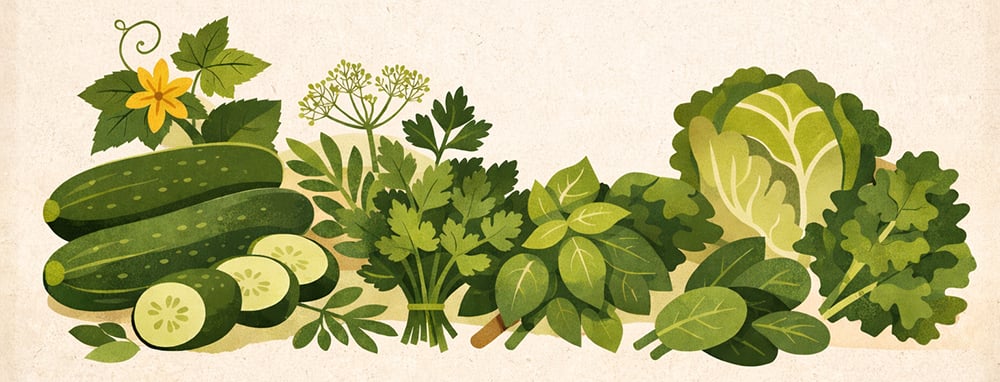
Fast-growing plants with short time-to-harvest periods also do extremely well in hydroponics. The controlled environment and optimized nutrient delivery in hydroponics accelerate growth compared to traditional farming, but this advantage is most pronounced in naturally fast-maturing plants.
For fruiting plants, their self-pollination capability provides massive advantages in controlled environments like hydroponics. Eggplants, peppers, and tomatoes are all self-pollinating plants that only require gentle mechanical agitation rather than insect pollinators. Crops that need cross-pollination, like melons, squash, and many cucumber plants, demand manual intervention for greenhouse production.
While hydroponics eliminates many soil-borne diseases and pathogens, plants that are more susceptible to root rot or water-borne diseases can struggle in moist conditions. The best hydroponic plants are therefore species that can tolerate consistent root zone moisture without developing fungal problems.
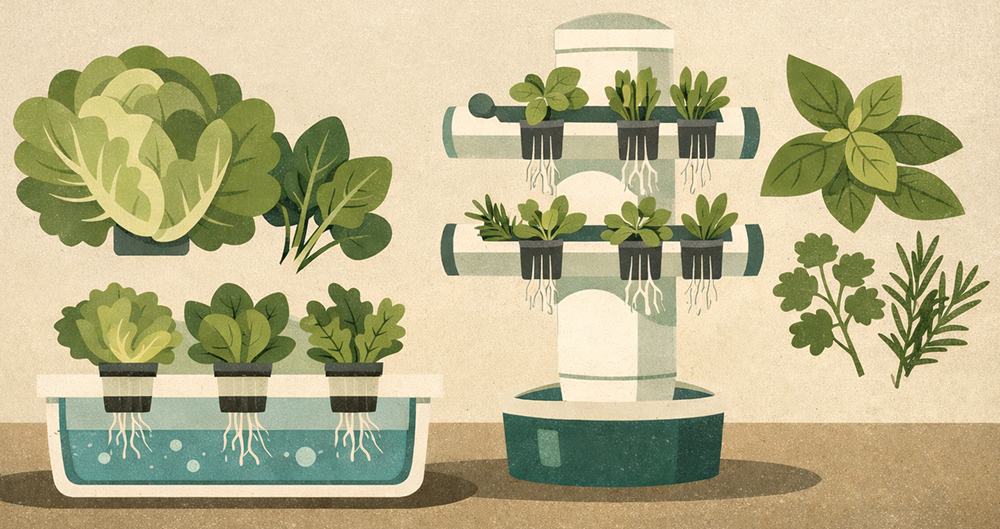
Leafy greens are the best plants for hydroponics because they have exceptional growth rates, can achieve good quality produce, and offer reliable year-round production. For good reason, commercial hydroponic production is dominated by butterhead lettuce. In soilless systems, its mild flavor and delicate, buttery texture develop beautifully. It is perfect for ebb and flow configurations, deep water culture, and NFT systems due to its shallow roots and compact growth habit.
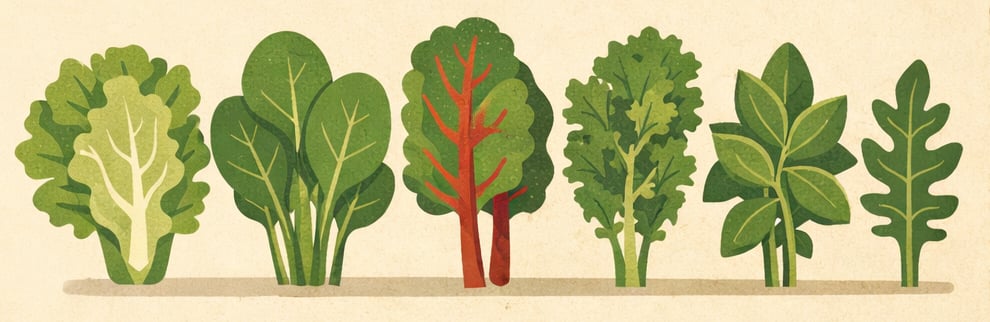
Butterhead is perfect for novices because of its steady performance and quick growth. When pH and nutrient levels are changed, the exposed root systems react instantly, giving quick feedback for determining ideal conditions. Maintaining the narrow range butterhead needs for optimal nutrient uptake is ensured by precise pH monitoring with professional-grade equipment like Atlas Scientific’s pH sensors.
See our article: Why is pH Important for Hydroponics for comprehensive advice on the principles of pH management.
Compared to butterhead lettuce, romaine lettuce has a slightly higher nutrient requirement and a more robust texture. Its upright growth habit makes it ideal for vertical farming applications; commercial operations can produce 10–12 harvests a year. Romaine is appropriate for operations with little climate control because it can withstand somewhat lower temperatures than butterhead. For salads and wraps, its longer leaves offer superior crunch and outstanding visual appeal. Because romaine requires more feed than lighter-feeding varieties, EC can drift more quickly, so keep a close eye on it with precision conductivity probes.
Knowing EC’s function in hydroponic lettuce production: What Is EC?
Both the green and red varieties of oak leaf lettuce combine outstanding flavor profiles with aesthetic appeal. In health-conscious markets, the red oak varieties command premium prices due to their superior antioxidant content and noticeably higher anthocyanin levels.
When grown under ideal conditions in hydroponic systems, spinach achieves remarkable nutrient density. According to studies, hydroponically grown spinach can contain more calcium and iron than traditional methods.
Compared to lettuce, spinach has heavier feeding habits, which accounts for its higher EC requirements. Keep a close eye on EC because low nutrient levels result in thin, pale leaves with little nutritional value, while high concentrations cause tip burn and bitter flavor. Cooler temperatures are also beneficial for spinach; systems that operate above 75°F frequently experience early bolting and the development of bitter flavors that render crops unmarketable.
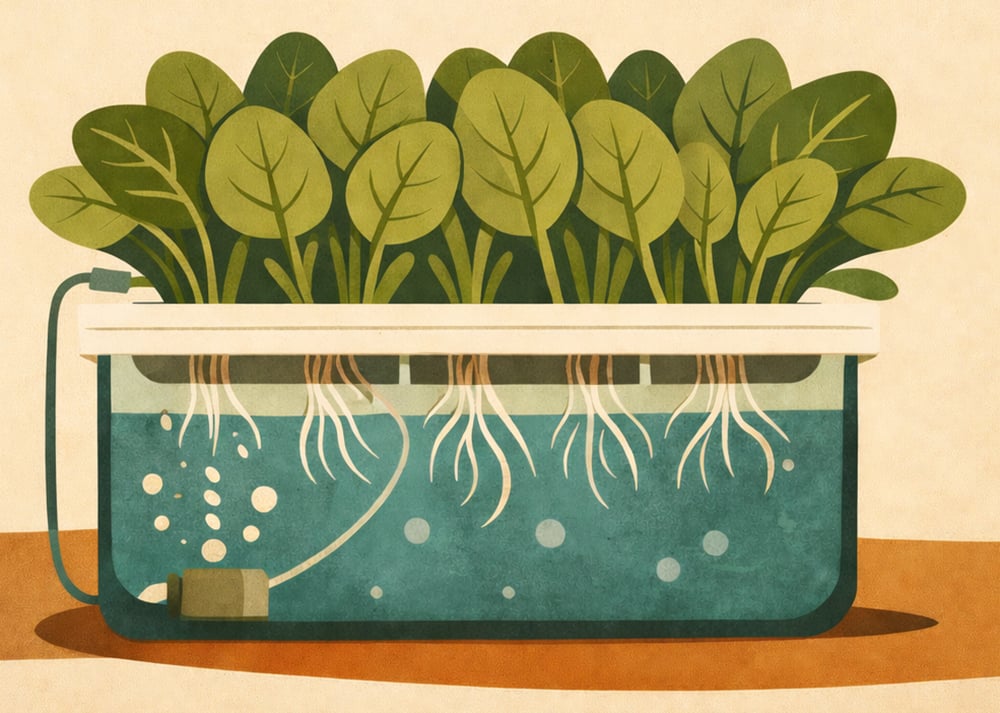
The superfood status of kale has sparked a lot of interest in hydroponics. Properly grown hydroponic kale develops remarkable flavor and nutrition that commands premium pricing, despite being slightly more demanding than lettuce.
Compared to delicate lettuces, kale requires more robust systems because of its larger leaf mass, which necessitates sufficient spacing and sturdy support. For the best air circulation and light penetration, it’s recommended to leave 8 to 12 inches between plants. Despite hydroponic cultivation, inadequate spacing produces humid microclimates that encourage fungal diseases.
Arugula is a favorite in hydroponics because of its unique peppery bite and quick growth cycle. One of the fastest-returning crops in any hydroponic system is arugula, which can be harvested as soon as 20 to 30 days after seeding.
In warmer weather, arugula’s unique peppery flavor becomes much more intense. While growers who prefer strong peppery notes can tolerate temperatures rising to 70°F, those who prefer milder flavor profiles should maintain cooler temperatures around 60°F. Unique to arugula, this temperature-dependent flavor control is a big benefit for businesses catering to a wide range of consumer preferences.
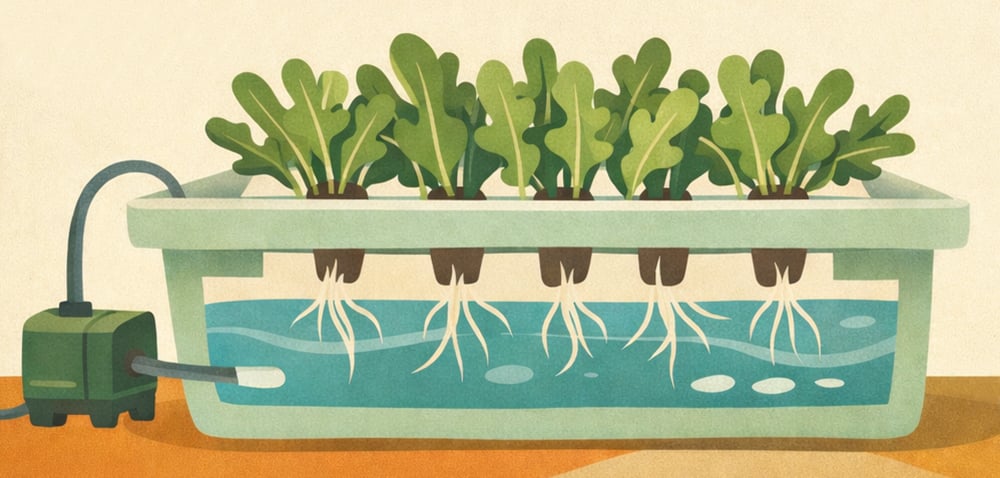
In hydroponic systems, herbs consistently perform better than their field-grown counterparts, developing stronger flavors, a higher essential oil content, and better shelf life qualities.
The benchmark for hydroponically grown herbs is basil, which grows quickly, produces a lot, and has a strong flavor. Commercial production is dominated by Genovese basil, but when environmental conditions are right, Thai, lemon, and purple varieties also thrive.
Compared to most leafy greens, basil requires warmer temperatures. Systems that operate below 60°F grow more slowly and are more vulnerable to fungal diseases, especially downy mildew. Frequent harvesting also greatly benefits basil; pinching terminal buds encourages bushier growth and inhibits flowering, which drastically reduces leaf quality and essential oil content.
In controlled hydroponic environments, cilantro’s bolt-prone nature and infamously short lifecycle actually work to its advantage. In contrast to field cultivation, where temperature fluctuations cause premature bolting, precise temperature management greatly prolongs productive periods.
Regardless of photoperiod, cilantro bolts quickly above 75°F. Maintaining cool, steady temperatures is essential for hydroponic cilantro production. For year-round harvest availability, many commercial operations use successive planting techniques, which involve starting new crops every two to three weeks.
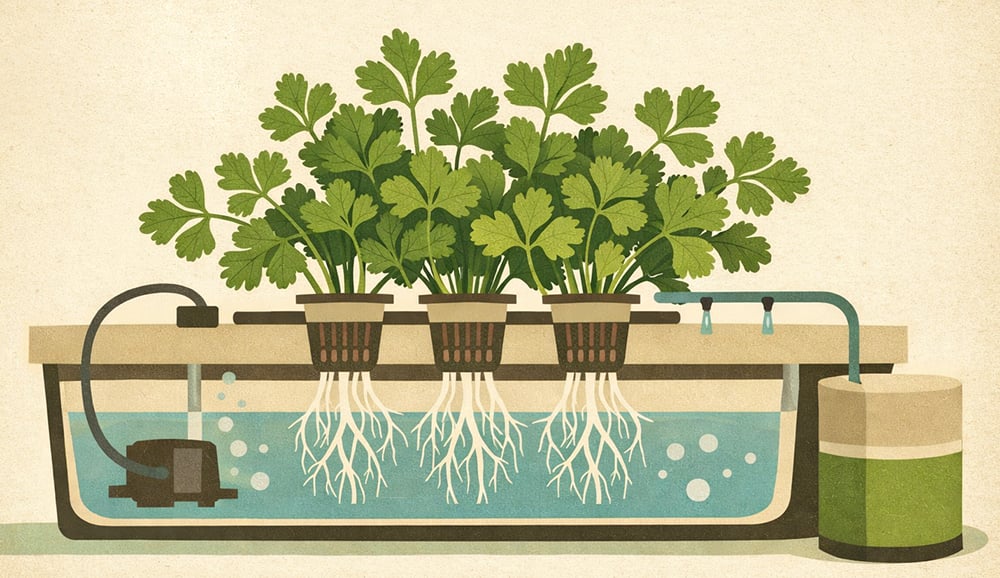
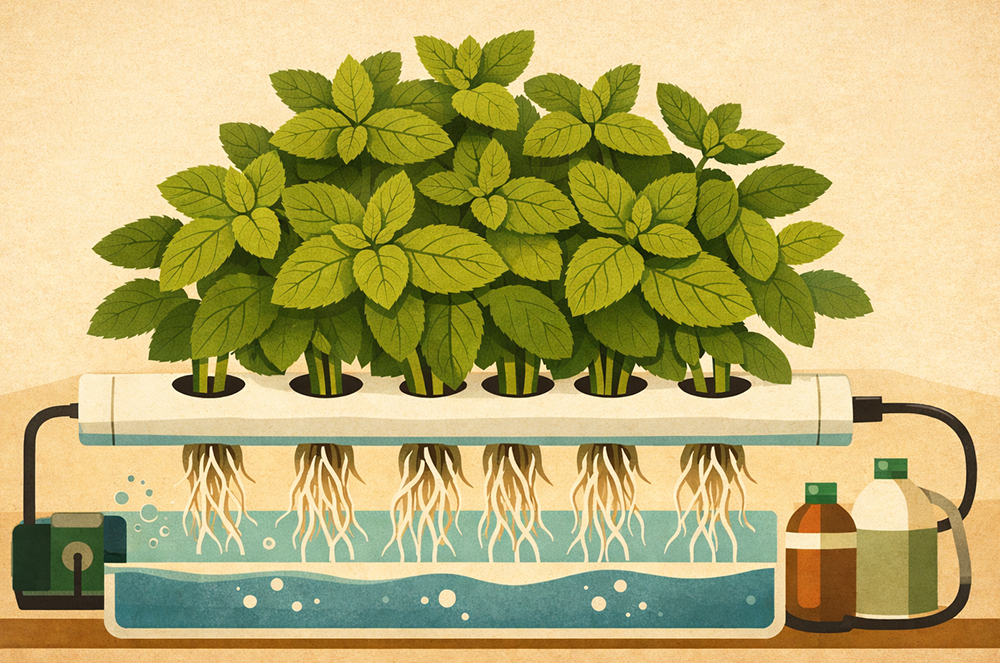
In contained hydroponic systems, mint’s infamously aggressive growth and spreading habit, which is very troublesome in garden beds, becomes manageable. Soilless cultivation is ideal for both spearmint and peppermint.
Because mint grows quickly, it needs a lot more EC than most herbs. Frequent harvesting keeps plants healthy and avoids overgrowth that could overpower smaller systems or shade nearby plants. To avoid nutrient depletion, which stunts this heavy feeder, regularly check EC with Atlas Scientific’s Complete Conductivity Kit.
In hydroponic systems, both curled and flat-leaf (Italian) parsley thrive. Although parsley takes longer to germinate (14–21 days), established plants can produce abundantly for 4-6 months with the right care.
When EC and irrigation cycles are appropriately controlled to replicate their natural habitat, Mediterranean herbs that are typically associated with dry, rocky soils surprisingly adapt well to hydroponics.
Compared to delicate annual herbs, these woody herbs require essentially different methods. Compared to continuous circulation techniques like nutrient film technique (NFT), ebb and flow systems with longer drain times (45–60 minutes between floods) perform noticeably better. While maintaining constant nutrient availability, the periodic drying of the root zone replicates their natural Mediterranean environment. Growing Mediterranean herbs in systems that are constantly flooded usually leads to fungal problems and root rot.
Fruiting crops reward seasoned growers with outstanding yields and superior quality, but they also require more complex systems and strict monitoring procedures.
With controlled environment operations producing up to 10–15 times the yield per acre compared to field production, tomatoes are the most popular commercial hydroponic crop in the world.
Compared to leafy green production, tomato EC management is far more complex. While flowering and fruiting stages require increasingly higher concentrations (2.8-3.5 mS/cm) to support fruit development without encouraging excessive vegetative growth, early vegetative growth requires lower EC (2.0-2.5 mS/cm) to promote vigorous leaf and stem development.
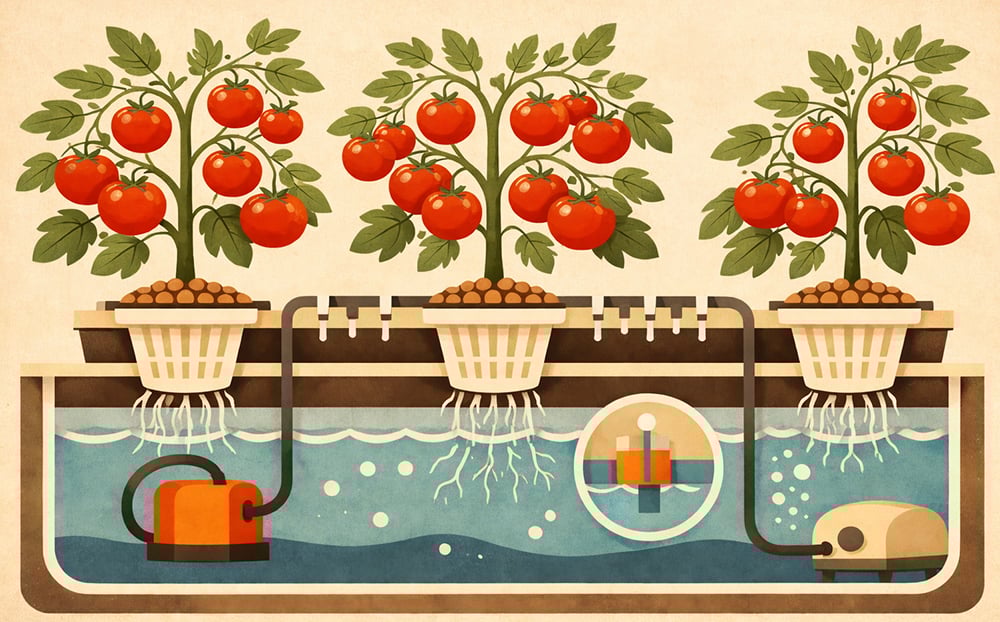
Using precision conductivity sensors, track EC continuously throughout the fruiting stages to avoid fruit cracking (inconsistent water uptake) or blossom end rot (calcium deficiency). The accuracy required to maintain the narrow EC ranges required for commercial tomato production is provided by Atlas Scientific’s laboratory-grade conductivity probes.
Find out more about avoiding a calcium shortage: How to Detect, Analyze, and Treat Calcium Deficiency in Plants.
Fruit set success is also significantly impacted by temperature. Fruit development and pollination are hindered by temperatures above 85°F or below 55°F. Fruit quality and sugar development are improved by ideal conditions, which maintain daytime temperatures around 75°F with nighttime temperature drops of 10–15°F.
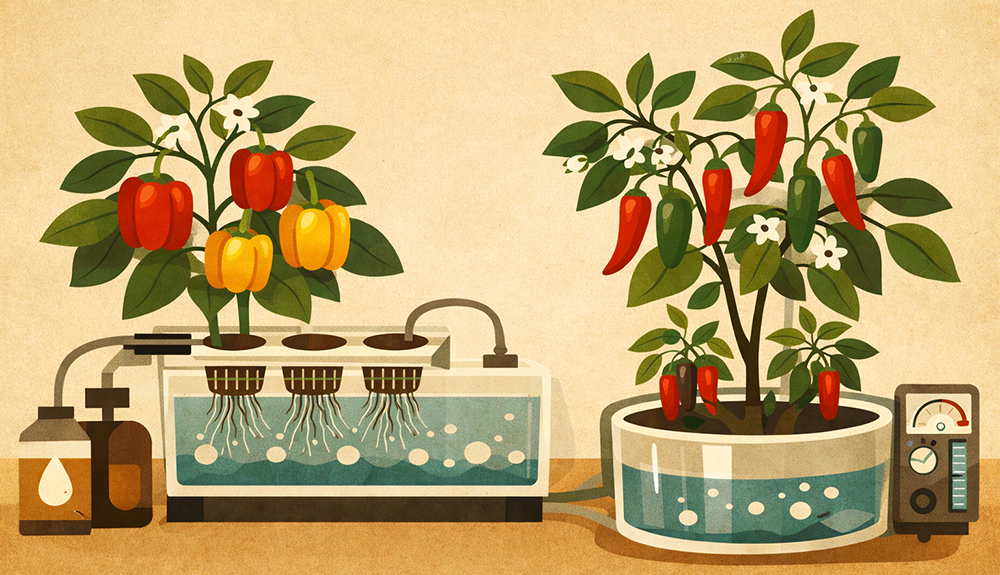
Both bell peppers and hot pepper varieties perform well in hydroponic systems; hot varieties frequently achieve more consistent capsaicin levels because of controlled environmental conditions that field production cannot match.
It is important to note that peppers are especially sensitive to the availability of calcium. To keep calcium soluble and accessible for absorption, keep the pH below 6.5. Keep a close eye out for early signs of blossom end rot, which are tiny, wet lesions on fruit tips. Even with sufficient base nutrient formulations, many commercial operations supplement with calcium-specific products during heavy fruiting phases to prevent calcium deficiency.
For comprehensive approaches to nutrient management: The Complete Guide to Nutrient Solution for Hydroponics
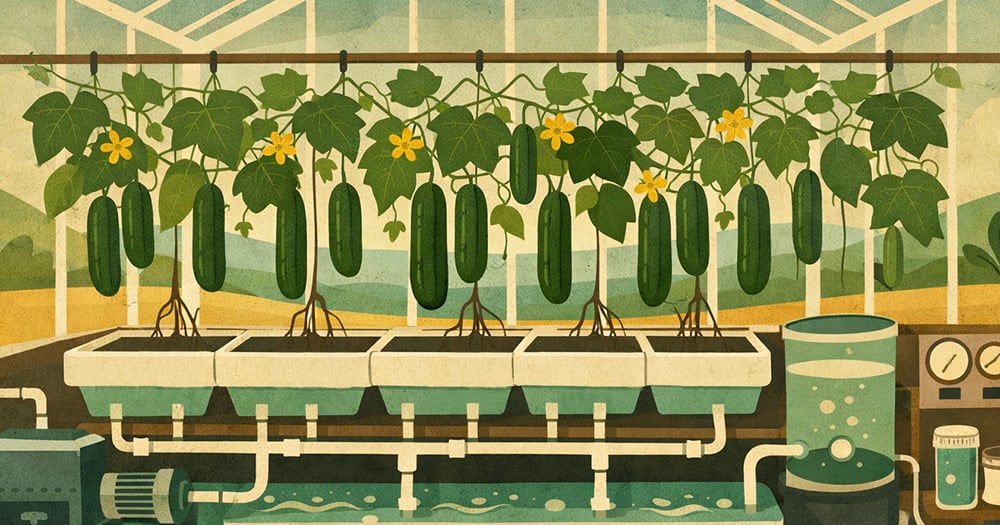
Cucumber varieties that are parthenocarpic (seedless) and specially bred for greenhouse production work incredibly well in hydroponic systems. Because these specialized cultivars don’t need pollination, a significant cultivation obstacle that restricts standard cucumber varieties in controlled environments is removed.
Cucumbers consume a lot of water and are very heavy feeders. In warm weather with intense light, mature plants can use more than one gallon of water every day. Keep a careful eye on the levels of nutrient solutions to avoid abrupt changes in concentration due to quick water absorption. Reduced yields and bitter-tasting fruit can result from abrupt EC spikes brought on by water depletion.
In well-managed hydroponic systems, alpine strawberries and some everbearing varieties consistently yield. The longer 8–10 month harvest season and pesticide-free cultivation result in premium products that command much higher market prices, even though yields per plant are lower than in field production.
Unless specialized pollinating insects are introduced into controlled environments, strawberries must be pollinated by hand. During peak flowering times, gently shake plants every day or use a small, soft brush to move pollen between flowers. Inadequate pollination results in fruit that is misshapen, tastes bad, and is much less marketable.
When their unique needs are appropriately met, a number of vegetables other than leafy greens and conventional fruiting plants thrive in hydroponic systems.
Celery is ideally suited for hydroponic cultivation due to its remarkably high water content (95%). When compared to their field-grown methods, hydroponically grown celery frequently develops a crisper texture and a stronger flavor.
In hydroponic systems, these quick-growing brassicas flourish and reach maturity in only 30 to 45 days. Baby bok choy, Shanghai bok choy, mizuna, and tatsoi are just a few of the varieties that offer variety and appeal to specialty markets and eateries looking for year-round Asian vegetable supplies.
Dwarf pea and bush bean cultivars thrive in larger hydroponic systems. Steer clear of pole varieties because their rapid climbing growth overwhelms most systems and makes management difficult.
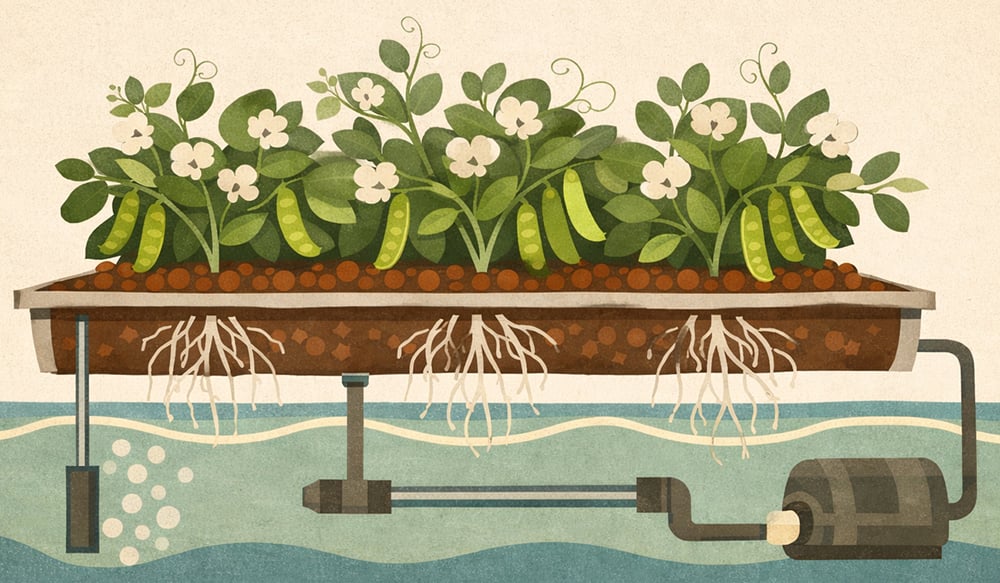
It is possible to avoid wasting time, resources, and growing space on crops that are unlikely to succeed by knowing which plants struggle in hydroponic systems.
Although they can theoretically be grown hydroponically, carrots, parsnips, turnips, and beets consistently yield unsatisfactory results. When compared to field production, their root quality usually deteriorates considerably, and their long taproots necessitate growing media that are too deep. Additionally, there is very little space efficiency; for example, a single root vegetable requires the use of an entire growing position for several months.
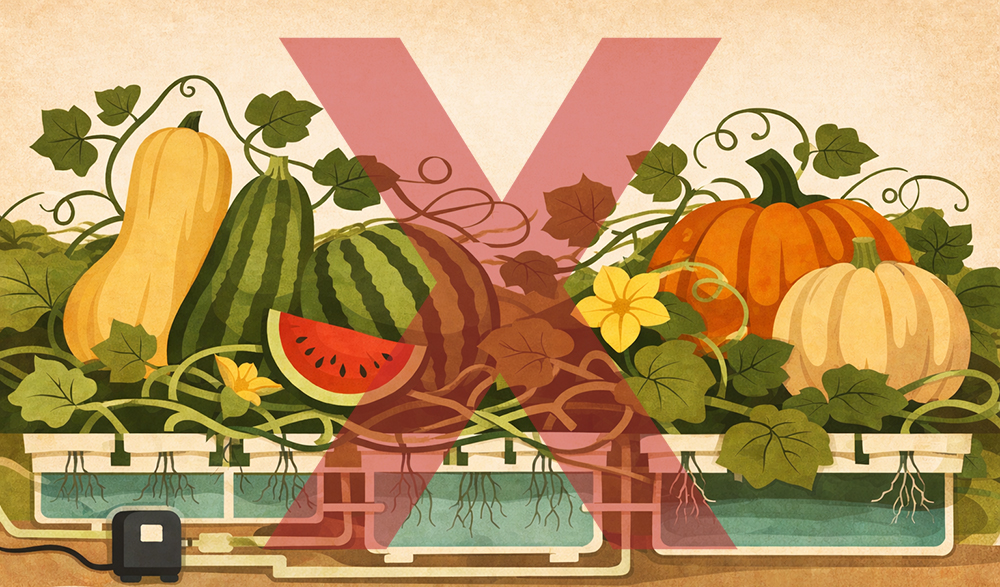
Large squash varieties, watermelons, and pumpkins all produce excessive vine growth that overwhelms almost any hydroponic system. Additionally, the weight of the fruit causes serious structural problems that require large support systems, negating the majority of hydroponic benefits.
Although technically feasible, corn is totally unsuitable for hydroponic operations due to its large size, high resource requirements, and extremely low space efficiency. Corn never justifies the system space it takes up because of its extremely low yield per square foot.
Some native wildflowers, certain orchid species, and certain heirloom varieties are among the plants that rely on symbiotic relationships with soil fungi. Sterile hydroponic systems are unable to replicate these intricate relationships.
Without strict environmental control, even the best plants fail. What distinguishes successful hydroponic systems from those with persistent problems is accurate, regular monitoring.
Nutrient availability is determined by pH; most nutrients become inaccessible outside of 5.5–6.5. Early on and during periods of rapid growth, daily checks are advised; once stable, they should be done two to three times a week.
Crop preferences differ: lettuce and herbs can withstand wider ranges, but strawberries and cucumbers prefer 5.5–6.0. In general, mixed systems aim for 6.0–6.2.
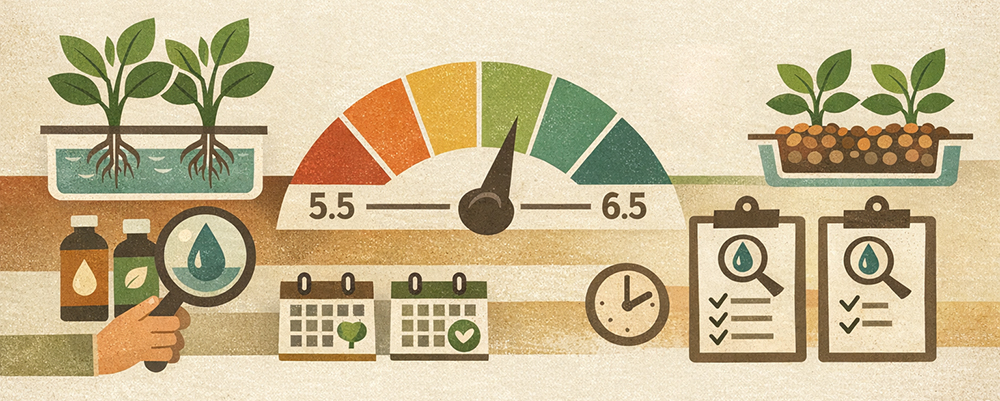
Use temperature-compensating, high-quality meters to avoid nutrient lockout, which is often missed by less expensive devices.
The overall concentration of nutrients is reflected in electrical conductivity. Suggested EC ranges:
High EC results in burn and osmotic stress, while low EC causes symptoms of deficiency. To determine when to dilute or replace the solution, test two to three times a week. Commercial systems frequently combine automated dosing with continuous monitoring.
Plant metabolism and dissolved oxygen are directly impacted by solution temperature. 68–72°F is the ideal range.
To identify climate problems, keep an eye on the temperature of the solution and the air.
To keep their roots healthy, serious growers monitor dissolved oxygen. Anaerobic conditions are avoided at levels of 6–8 mg/L. Temperature control is still essential because warmer water contains less oxygen. For complete environmental monitoring, commercial operations are increasingly combining DO monitoring with pH and EC.
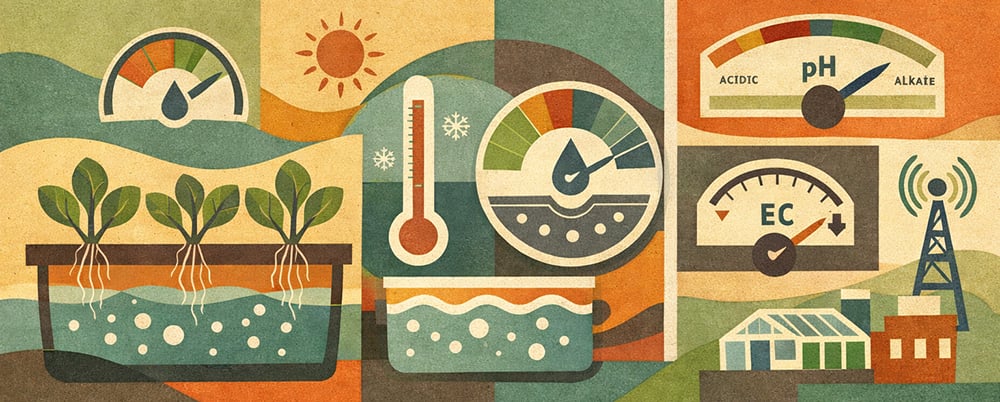
Being a successful hydroponic cultivator starts with smart plant selection. The best plants for hydroponics usually share common physiological characteristics like shallow fibrous roots, fast growth rates, high water contents, and high tolerance for consistent moisture.
However, plant selection is not the only factor in hydroponic success. Maintaining and controlling optimal growing conditions, such as pH, EC, and temperature, is key.
Ready to start your hydroponic growing journey? Contact the world-class team at Atlas Scientific to learn more about hydroponic systems and what monitoring solutions we have to offer for growers looking for laboratory-grade accuracy.
For more insights on hydroponic cultivation, explore these Atlas Scientific articles:
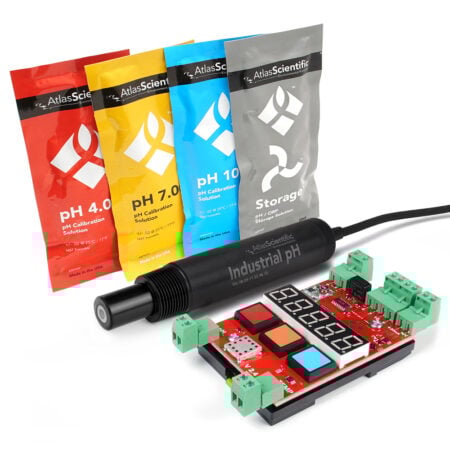

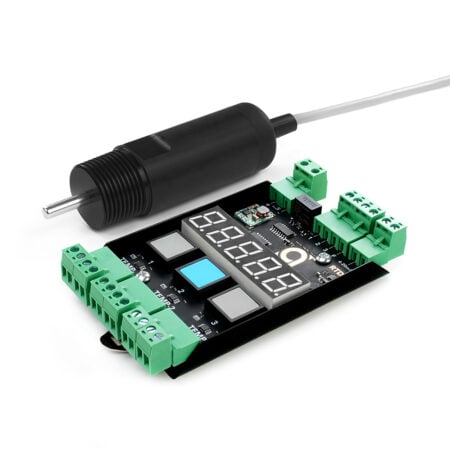

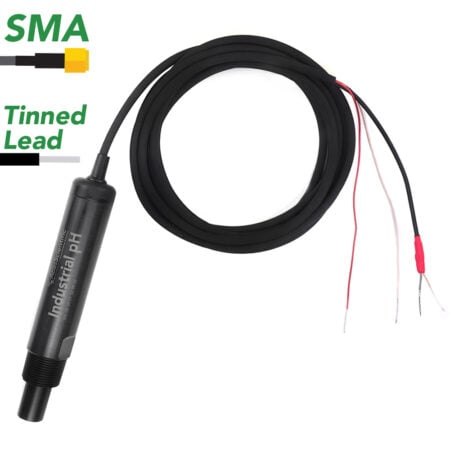
Maintaining the correct pH inside a bioreactor is essential for successful fermentation, cell culture, and bioprocess optimization. Even small pH fluctuations can dramatically affect enzyme

Reverse osmosis water is best for hydroponics, providing near-zero EC and removing contaminants. It offers reliable results, precise nutrient control, and typically pays for itself