

Blog
The 5 Best Aquaponics Systems
The best aquaponics systems balance reliability, efficiency, and crop versatility. Media beds suit beginners, rafts maximize leafy-green production, NFT and vertical systems save space, while






Hydrogen deficiency is an often-overlooked cause of stunted growth, yellowing leaves, and plant dieback. Since hydrogen is essential for photosynthesis, respiration, and stress tolerance, a lack of it disrupts nearly every plant process. Recognizing the signs and addressing root, soil, and irrigation issues is key to restoring plant health.
When gardeners see their plants struggling with stunted growth, yellowing leaves, or mysterious wilting despite good care, they are usually quick to suspect the usual culprits: nitrogen deficiency, poor drainage, pest problems. But there is a less well-known but equally devastating disorder that may be sabotaging the health of your garden: hydrogen deficiency.
Though hydrogen may not seem like an obvious villain causing plant health problems, this highly reactive element is heavily involved in photosynthesis, respiration, and the general vitality of plants. Hydrogen deficiency could be the answer that finally unlocks your garden’s secret door when it comes to solving lingering growth issues haunting you across seasons.
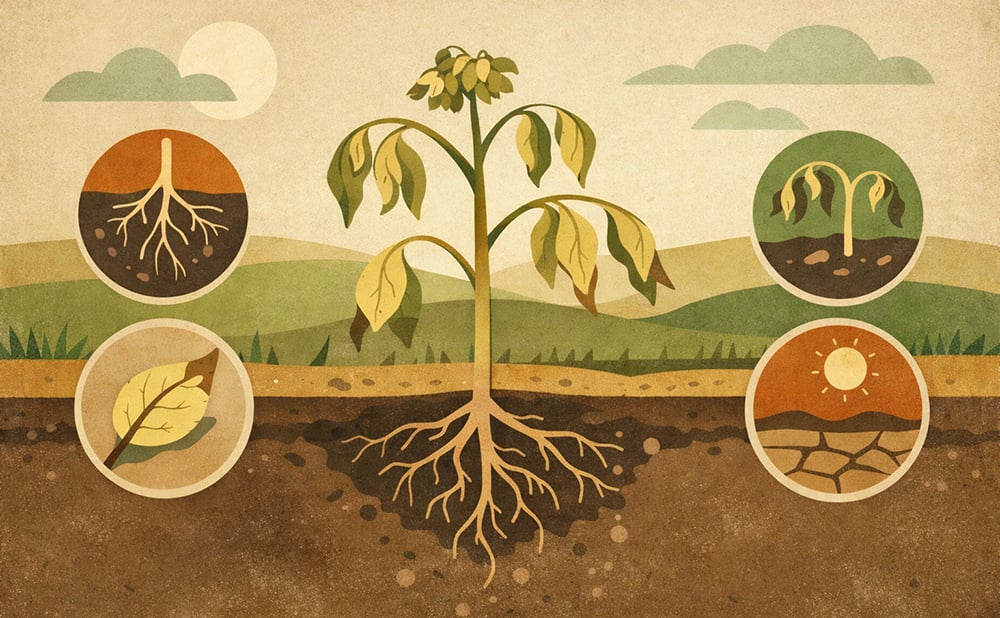
Hydrogen is the most abundant element in the universe and makes up nearly three-quarters of its elemental mass. Living systems on Earth thrive on hydrogen, largely from water (H2O), but its utilization is more complex than just a source of hydration. Hydrogen is one-third of the three must-haves in photosynthesis and respiration, joining carbon and oxygen to manufacture the food energy that fuels plant growth.
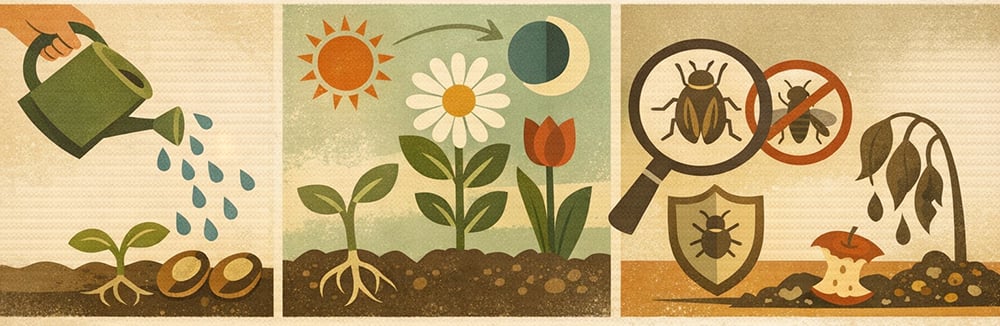
The bond between hydrogen and plant well-being runs deeper than people might think. Hydrogen has been recently associated with improved tolerance to such stressors as salt, drought, cold, and heavy metals. Plants that have been successfully watered with hydrogen can produce better seed germination, more accurate flowering time regulation, insect prevention, and degradation.
Plants are unable to carry out these necessary functions efficiently when they are lacking in hydrogen, and the result is a domino effect of problems that often manifest themselves as other nutrient or environmental issues. Hydrogen also plays a role in forming cell walls, and therefore, hydrogen deficiency can lead to increased water loss from the plant.
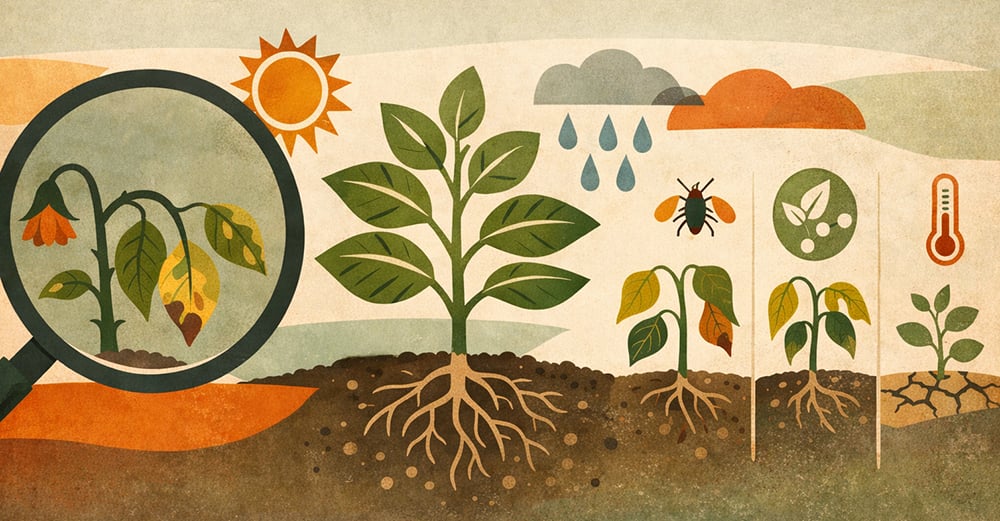
The leading symptoms of hydrogen deficiency in plants are similar to those seen with drought stress, which makes sense because most of a plant’s hydrogen comes from water uptake.
Slow or delayed growth is usually the first symptom of plants suffering from hydrogen deficiency. This happens because food energy can’t be made from nothing without hydrogen, and in photosynthesis, if plants can’t produce energy, they wither and die.
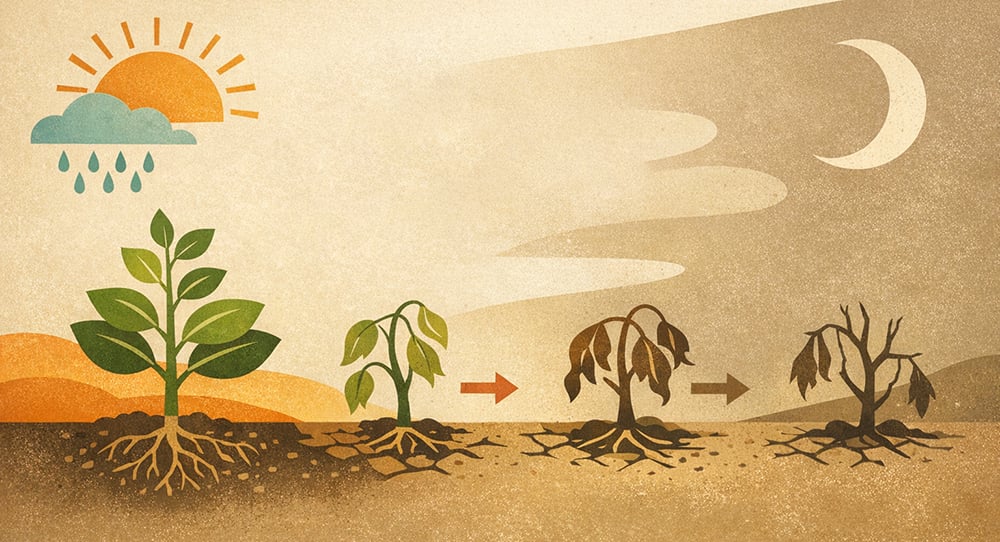
As hydrogen deficiency becomes more severe, leaves start to turn yellow. You may notice that the plant has fewer leaves near the bottom, and the leaves are turning outward. As the deficiency worsens, you’ll likely see curling brown edges of the leaves, and premature leaf drop can make plants look sparse and quite unattractive.
Branch dieback is a more serious symptom where entire parts of the plant will start to die back from the tips. Hydrogen deficiency is generally accompanied by root damage as the plant can’t maintain its water uptake system. If hydrogen deficiency is ignored, plants can simply die, and it may not be clear to gardeners what went wrong.
If your irrigation system is on point, and soil samples indicate that water levels are correct, but you’re still having plants showing symptoms of drought due to severe lack of moisture, hydrogen deficiency might be something worth considering as a reason.
Plants obtain hydrogen primarily from water, so any factor that disrupts water uptake can result in hydrogen deficiency. While a lack of watering is the most obvious cause, many underlying soil and root problems can prevent plants from accessing the water they need, ultimately limiting hydrogen absorption and interfering with growth and photosynthesis.
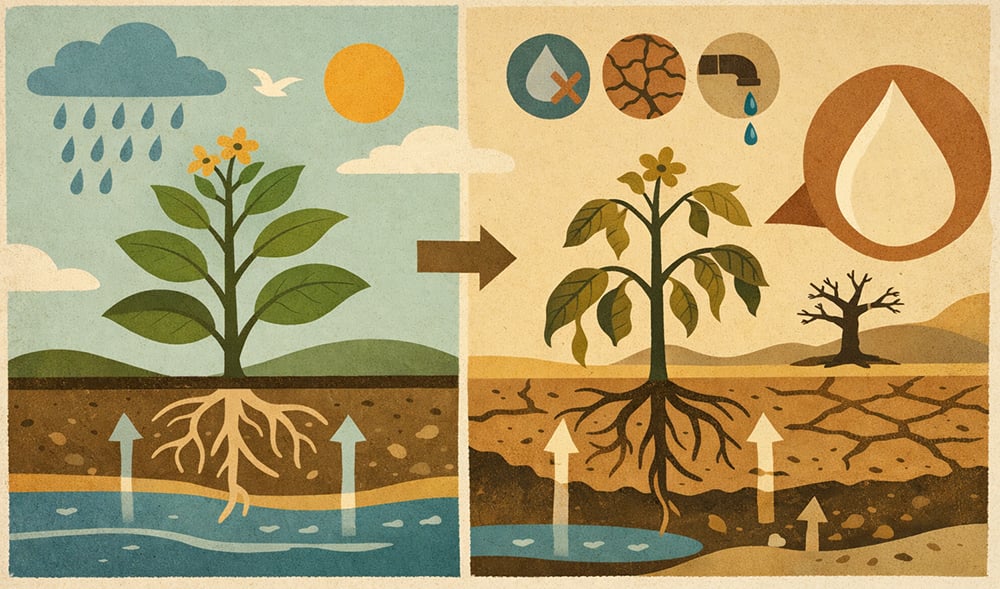
One of the most direct causes is simply a lack of water. Because hydrogen is a fundamental component of water, plants cannot take in enough hydrogen if water is scarce.
Damage to the root system is another major contributor. Roots weakened by waterlogging often decay due to oxygen deprivation, while prolonged drought dries out the soil and restricts root activity. In addition, physical injury from soil pests such as nematodes, mechanical disturbance, or compaction can impair root function and reduce the plant’s ability to absorb water efficiently.
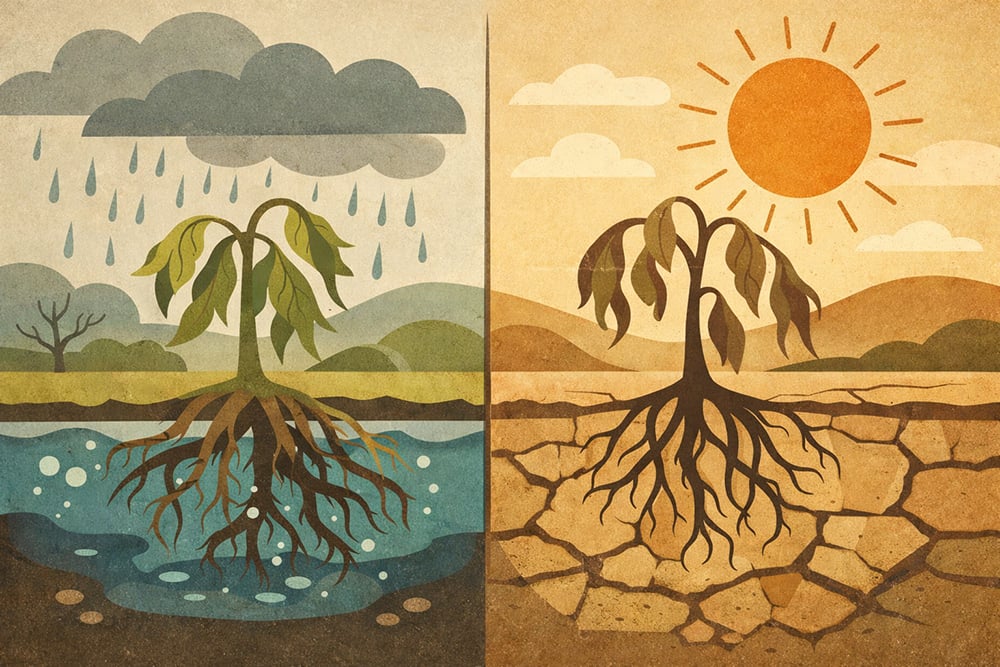
Soil pH also plays a role. When soils are either too acidic or too alkaline, they can interfere with water availability and root performance, meaning that even when moisture is present, the plant cannot take it up effectively.
Poor aeration further compounds the issue. Compacted or waterlogged soils often lack oxygen, and without sufficient oxygen, roots cannot function properly, which limits water absorption and hydrogen availability.
Finally, certain soil conditions create additional challenges. Excessively wet soil can suffocate roots and hinder uptake, while plants grown in containers are especially vulnerable because potting composts may either dry out quickly or hold too much water, both of which restrict absorption of water and nutrients.
The first step in diagnosing hydrogen deficiency is a careful evaluation of the plant and its growing environment. Unlike many other nutrient deficiencies that can be confirmed through routine soil testing, identifying hydrogen deficiency requires close attention to soil conditions, root health, and water availability.
Begin with a root examination. Healthy roots should appear white or light-colored, firm, and well distributed throughout the soil. Dark, mushy, or foul-smelling roots indicate rot, which can block both water and hydrogen absorption, even if the soil is moist.

If you’re unsure about soil moisture levels, use a moisture meter or probe to test different depths, particularly in the root zone. Uneven moisture distribution can restrict hydrogen availability.
Compacted or poorly aerated soil prevents water and roots from penetrating effectively. If a garden spade or fork cannot easily break the soil, roots are likely struggling to access moisture and hydrogen.
Shallow, frequent watering encourages weak, shallow roots, while deep, less frequent watering promotes stronger root systems with higher hydrogen uptake. Review your watering habits to ensure you’re supporting healthy root development.
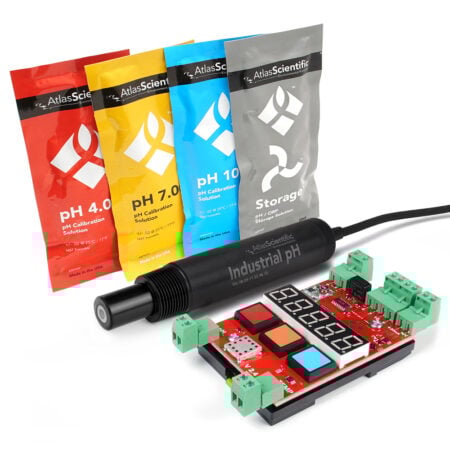
Although elemental hydrogen itself doesn’t directly influence pH, soil chemistry plays a key role in how plants access hydrogen from water molecules. Measuring soil pH provides valuable insight into overall soil health. For precise measurements, consider using the Atlas Scientific Soil pH Probe.

Addressing hydrogen deficiency requires an approach that tackles both immediate symptoms and underlying causes. The most effective strategy focuses on optimizing water availability while enhancing the plant’s capacity to absorb and utilize hydrogen.
The foundation of hydrogen deficiency treatment lies in proper irrigation management. Implement deep, infrequent watering practices rather than shallow, frequent applications. This approach encourages robust root development and maximizes hydrogen uptake efficiency. Water should penetrate to the root zone depth while avoiding oversaturation that can lead to anaerobic conditions and root rot.
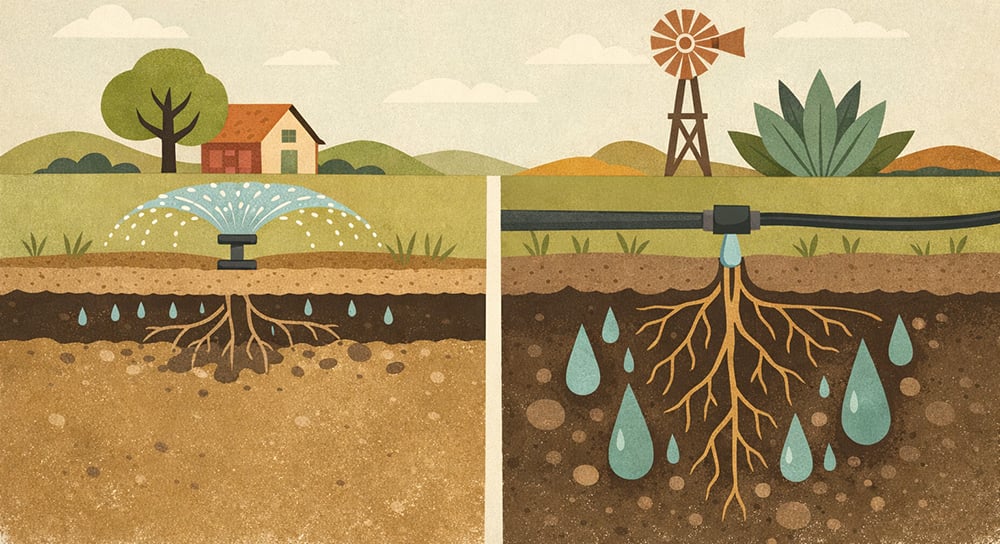
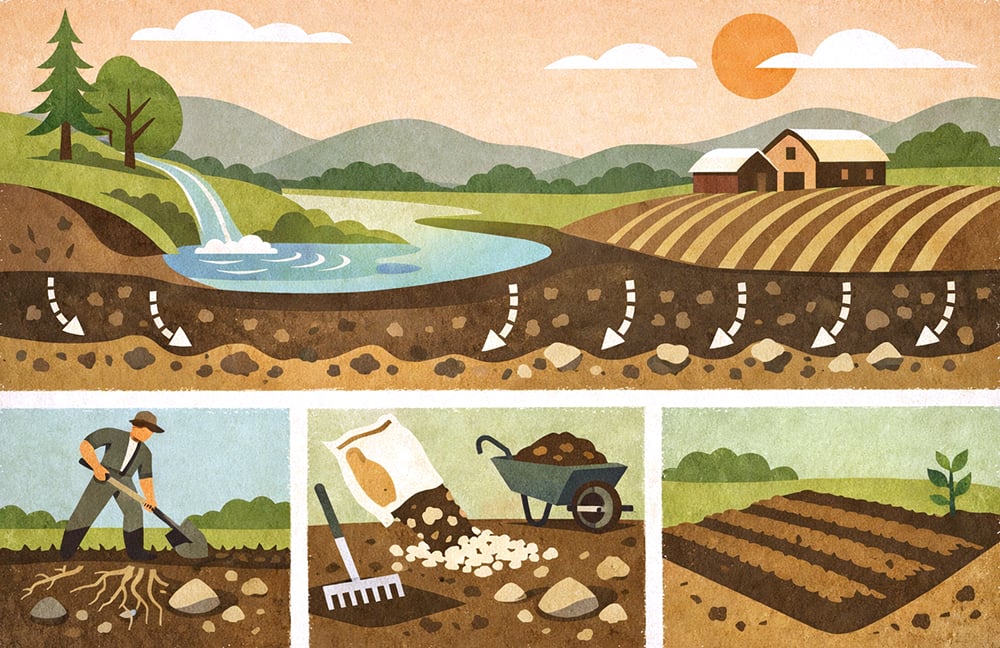
Improving the physical properties of soil creates an environment favorable for optimal water movement and root function. Incorporate organic amendments such as well-aged compost, decomposed leaves, or quality manure to enhance soil structure, water retention, and drainage capacity. These organic materials naturally contain hydrogen compounds and provide additional benefits for root development.
For severely compacted soils, mechanical intervention becomes necessary. Implement deep cultivation techniques, core aeration, or incorporate coarse organic amendments that create macro-pores for improved air and water infiltration. In extreme cases, installing drainage systems or constructing raised beds may be required to establish proper growing conditions.
Container plants suffering from root-bound conditions require careful handling. Gently tease apart circled roots and repot using fresh, well-draining potting medium. For landscape plants, focus on creating optimal conditions for natural root regeneration while minimizing additional stress or damage.
In controlled growing environments, hydrogen-enriched water solutions can provide direct supplementation. This approach proves particularly valuable for container cultivation and hydroponic systems, where nutrient delivery can be precisely managed.
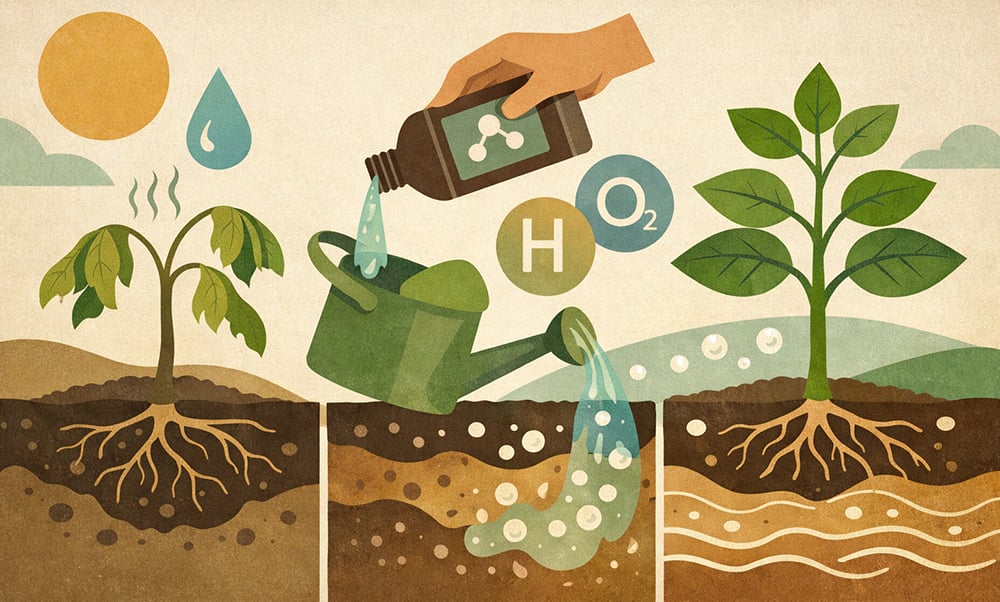
For emergency treatment of severely stressed plants, diluted hydrogen peroxide solutions (2-3 teaspoons of 3% H₂O₂ per liter of water) can be applied as a soil drench. This treatment provides both hydrogen and oxygen supplementation while helping to address anaerobic soil conditions.
Beneficial mycorrhizal inoculants establish symbiotic relationships that significantly expand the plant’s effective root system. These fungal partners enhance water and nutrient uptake capacity, including improved hydrogen absorption from an expanded soil volume.
Prevention remains more effective and economical than remediation. Establishing optimal growing conditions from the outset ensures healthy root development and maximum water uptake capacity throughout the growing season.
Choose locations with naturally good drainage characteristics and prepare the soil thoroughly before planting. Incorporate organic matter during initial soil preparation to establish the foundation for long-term plant health and hydrogen availability.
Implement consistent mulching practices to maintain uniform soil moisture levels and reduce water stress. Apply 2-4 inches of organic mulch around plants, keeping material away from direct stem contact to prevent pest and disease issues.
Regular pH monitoring and adjustment ensure optimal nutrient availability, including hydrogen accessibility. Most plants perform best in slightly acidic to neutral soils (pH 6.0-7.0), where hydrogen ions remain readily available for plant uptake.
Understanding and addressing hydrogen availability represents a fundamental shift toward more holistic plant nutrition management. Plants with adequate hydrogen uptake typically require less supplemental fertilization, demonstrate improved stress tolerance, and produce superior yields.
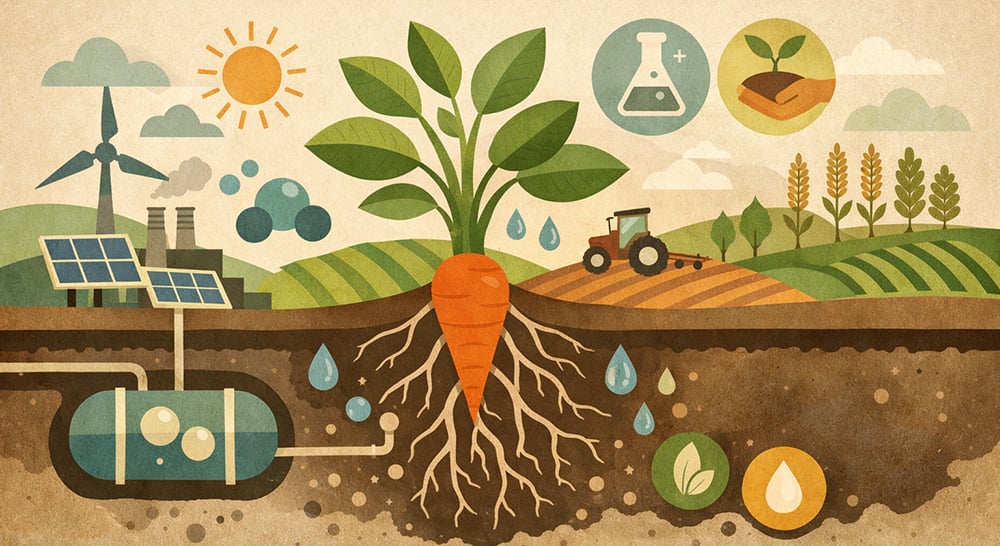
This comprehensive approach translates to more sustainable gardening practices with reduced resource consumption and environmental impact. Gardens that successfully manage hydrogen availability through proper soil and water management typically require less frequent irrigation and fewer chemical inputs while achieving better overall results.
The recognition of hydrogen as a critical nutritional factor expands our understanding beyond traditional nitrogen-phosphorus-potassium (NPK) approaches. While macronutrients remain important, appreciating hydrogen’s foundational role provides gardeners with powerful tools for solving persistent plant health challenges and optimizing garden performance.
Hydrogen deficiency is an underappreciated factor in plant health that often masquerades as other common problems. By recognizing the warning signs and implementing proper soil, water, and root management practices, gardeners can effectively address this nutritional challenge and achieve healthier, more productive plants.
Understanding hydrogen’s foundational role in plant nutrition represents a significant advancement in modern gardening practices, leading to improved yields with reduced resource inputs. If you would like to learn more about precision monitoring solutions or discover what professional measuring instruments we have available, do not hesitate to reach out to the world-class team at Atlas Scientific.



The best aquaponics systems balance reliability, efficiency, and crop versatility. Media beds suit beginners, rafts maximize leafy-green production, NFT and vertical systems save space, while
Maintaining the correct pH inside a bioreactor is essential for successful fermentation, cell culture, and bioprocess optimization. Even small pH fluctuations can dramatically affect enzyme