


Subtotal: $394.96
Blog
Best pH Sensor for Bioreactors
Maintaining the correct pH inside a bioreactor is essential for successful fermentation, cell culture, and bioprocess optimization. Even small pH fluctuations can dramatically affect enzyme







pH neutralization is the critical safeguard that keeps industrial wastewater safe for discharge. By balancing acidic and alkaline by-products to regulatory standards, it prevents environmental damage, avoids costly fines, and ensures sustainable operations.
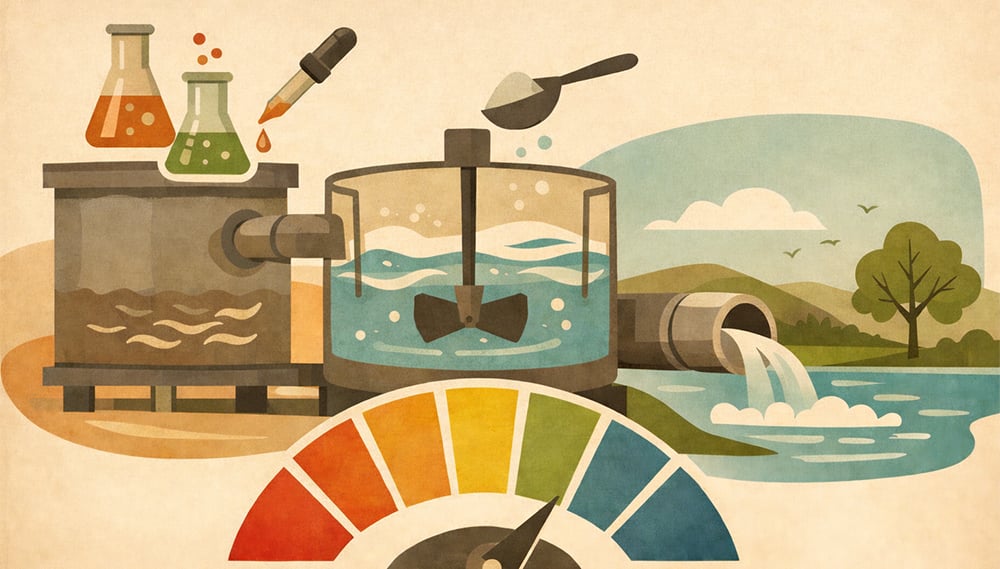
Factories around the world produce millions of gallons a day of wastewater that contain acids, heavy metals and chemical agents; left untreated, it can make fresh water sources toxic. pH Neutralisation is the ultimate ‘line of defence’ between industry and environmental disaster, converting acidic or alkaline by-products into discharge-safe water via neutralising & blending with other chemically treated effluent.
pH neutralization is the process of balancing wastewater pH to meet regulatory discharge requirements, which are generally 6 to 9 in most cases. This requires an understanding of basic acid-base chemistry in which the process to achieve this neutralization is by reacting acids and bases, resulting with water and salt eliminating the dangerous chemical nature while up keeping environmentally safe procedures.
The reaction of neutralization is predictable in a chemical sense. When an acid like hydrochloric encounters a base like sodium hydroxide, the reaction creates salt and water: HCl + NaOH → NaCl + H₂O. Such simple equations underlie the design of complex treatment systems that handle thousands of gallons every day, while keeping tight tabs on chemicals used.
But, pH measurement is a log value and this comes with major control issues. One pH unit corresponds to a ten-fold difference in hydrogen ion concentration, so that pH 3 is two orders of magnitude more acidic than pH 5. This exponential correlation requires a high-level control mechanism to assure an accurate chemical dosage even for broad pH ranges.
For good reason, pH neutralization is required by environmental regulations to protect the ecosystem and human health. The Clean Water Act provides for stringent discharge limits that industrial facilities must comply with to avoid hefty fines and environmental damage under state regulations.
Acidic wastewaters with pH below 6.0 can be fatal to aquatic organisms, cause infrastructure damage, and destabilize water chemistry in nature. On the other hand, alkaline effluent with a pH over 8.5 has an equally devastating effect, such as solidifying life-giving mineral content while producing toxic marine habitat conditions. Such rules have been instituted, as historically, untreated factory discharges have polluted the environment on a large scale.
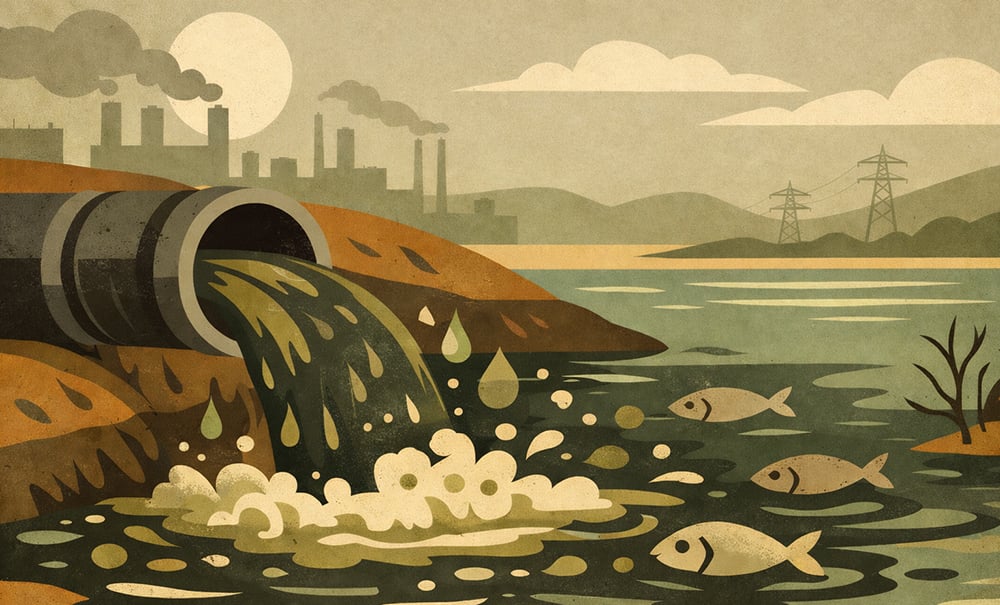
Since the Industrial Revolution, we have learned from our mistakes. Regulators now make routine visits and mandate evidence of monitoring at all times. Plants that discharge facility limits may be subject to immediate enforcement actions, including a shut down in production, heavy fines and required remediation costs. The costs of not meeting compliance can be many orders of magnitude costlier than investment in appropriate treatment systems like pH neutralization.
There are a variety of wastewater streams from manufacturing operations that require varied neutralization techniques:
Every trade comes with its own set of circumstances that need to be addressed in various ways. For example, hydrofluoric acid waste is produced as a byproduct of semiconductor fabrication and needs special attention because these are glass etching and highly toxic materials. Heavy metals are among the most problematic contaminants, as they require both neutralization and precipitation treatment of coordinating metal-laden acid plating solutions that result from the metal finishing processes.
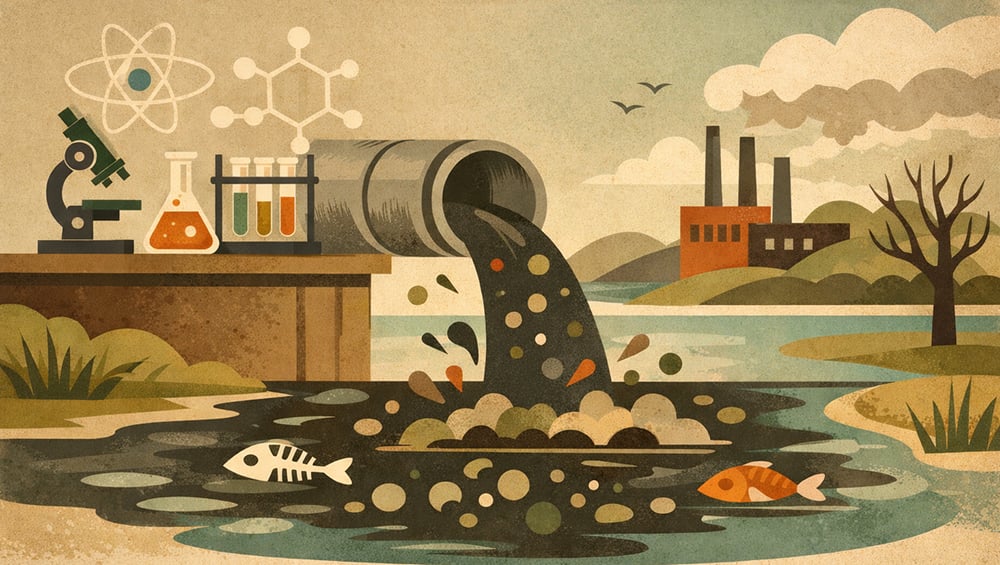
However, laboratory environments are especially problematic because of the periodic batch-dumped unknown mixtures. Research labs might be discharging strong acids, organics, and bio materials all at the same time, resulting in complex treatment needs that some systems are not able to effectively treat.
Different industrial neutralization levels are served by the three main system designs.
For moderately acidic streams with relatively stable conditions, limestone chip systems provide a simple and effective solution. These passive systems rely on the dissolution of calcium carbonate, gradually increasing pH as wastewater flows through a bed of limestone to neutralize acidity.

Limestone systems are economically beneficial with low-flow applications, but offer little control and do not accept alkali streams. Maintenance involves occasional topping up of the limestone and manual tank cleaning to reduce bacterial growth and fouling of the system. These limitations render them only suitable for simple laboratory applications with known waste properties.
It is not uncommon for continuous flow systems to be operated at much higher flow rates, where staged treatment tanks with the use of automatic chemical dosing are in place. In these systems, the liquid level is held constant as treatment of wastewater proceeds through treatment vessels. Retention times are usually from 20-30 minutes, providing enough time for the neutralization to be completed.
In more complex continuous systems, multiple treatment stages are used for high/low pH conditions. The first stage balances the solution pH, and individual subsequent stages provide fine pH adjustment within discharge parameters. This gradual process eliminates the chemical waste and provides an even quality effluent.
For critical applications that require guaranteed compliance, batch neutralization systems provide the best assurance. These high-functioning systems fully load the treatment tanks, come to target pH by controlled addition of chemicals, check stability over hold periods, and only discharge deemed compliant effluent.
The filling of the vessel is filled to set volumes using mixing systems, which ensure a homogeneous (well-mixed) final state. pH sensors continuously measure conditions, while control systems use real-time data and predictive techniques to determine when and how much chemical is needed.
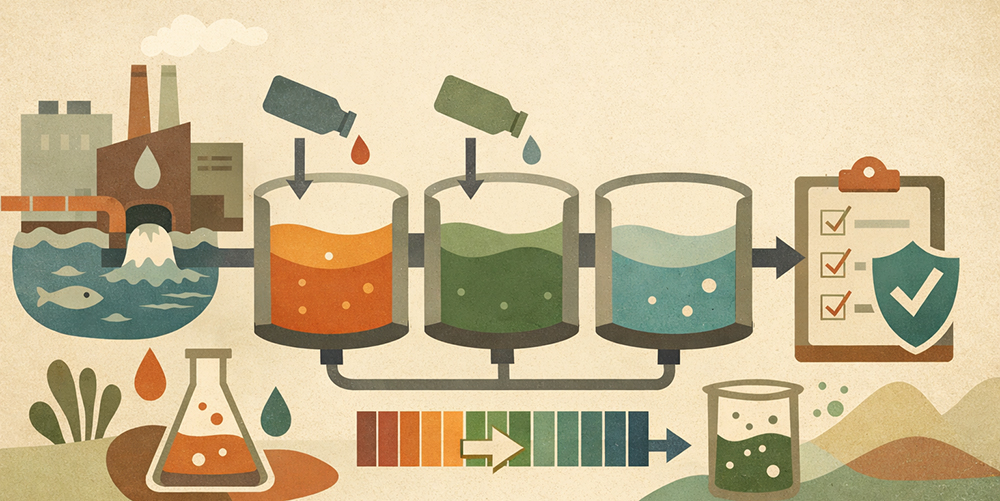
State-of-the-art batch systems often use advanced control algorithms that account for buffer capacity, reaction rates, and chemical interactions. This helps prevent pH overshooting, which may lead to out-of-spec discharge, while also reducing chemical usage through precise dosing.
Adequate retention time is provided so reactions can fully complete and pH can stabilize before discharge. It is important to allow these slow-acting chemicals enough time to reach equilibrium so that the pH reading represents the final effluent.
Choice of neutralization chemistry strongly influences system performance, operating costs, and safety goals in waste neutralization.
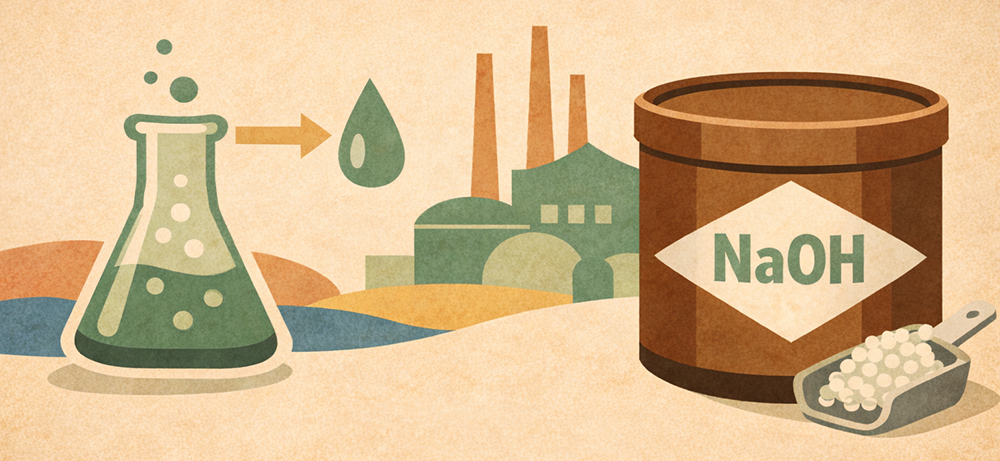
The most widely used alkaline reagent is sodium hydroxide because of its striking performance, supply, and moderate price. The concentration is generally in the range of about 20-50%, depending on the needs of the job and safety factors.
Sulfuric acid is used as the major acidic reagent in alkaline neutralization because of its strong acidity and affordability. In cases where sulfate formation is undesirable, other acids such as hydrochloric and nitric acid can sometimes be used.
These chemical metering systems must deliver consistent dosing volumes over a wide variety of demand patterns. Electronic diaphragm pumps, which adjust chemical flow by varying motor speed, supply precise amounts of chemicals while eliminating excel chemical delivery.
The selection of pumps is critical. Systems should be sized to handle peak chemical demand to prevent under-dosing during peak loading.
As the relationship between chemical addition and pH response is non-linear, advanced control algorithms are required. A simple proportional control system often causes pH fluctuations and wasted chemicals. The most effective control systems utilize predictive models that forecast pH trends and adjust chemical addition based on that prediction.
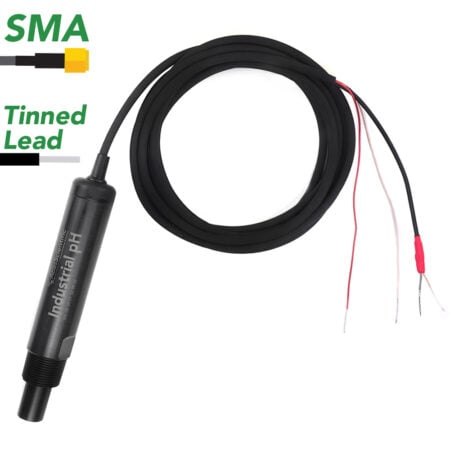
Precise pH measurement is key to successful neutralization systems. In industrial settings, pH sensors need to be able to handle aggressive chemical environments and deliver accurate and consistent results over long time periods. Even with its fragility and maintenance problems, glass electrode systems still remain the industry standard.
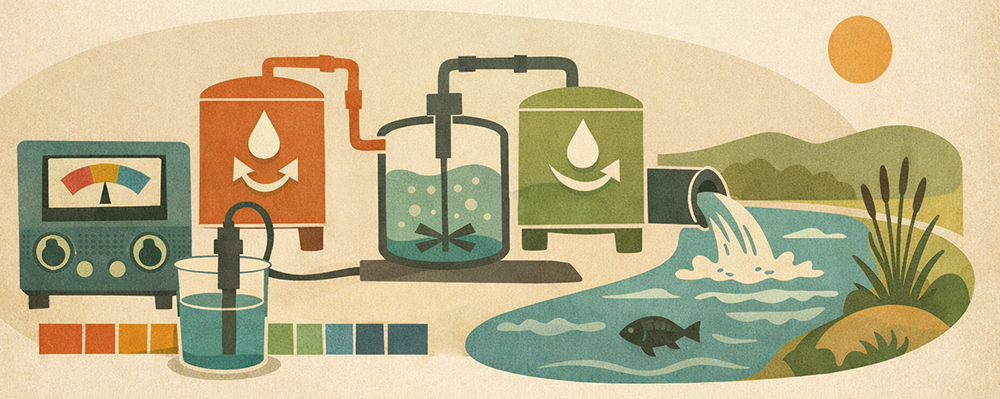
Sensor placement inside the treatment tanks directly influences the accuracy of measurements and performance of these systems. Sensors should be located in well-mixed areas, away from chemical injection sites, to prevent false readings from localised concentration effects. Secure yet removable mounting protects sensors against mechanical damage while allowing for easy servicing.
As temperature affects pH readings, high-quality instruments include automatic temperature compensation via built-in sensors and compensation algorithms.
For critical applications, redundancy is key. Backup sensors with automatic switching ensure that systems will never fail and give the operators a warning when maintenance is necessary, helping avoid regulatory compliance issues.
Preventive Service Programs can optimize system performance and reduce potential breakdowns. Calibration of industrial pH sensors should be performed monthly with certified reference solutions. Regular cleaning of electrodes prevents coating buildup, which can slow response time and accuracy.
Chemical feed system maintenance involves verifying pump calibration, replacing check valves, and cleaning injection lines. Differential accuracy drift of the metering pump can lead to poor pH control and high chemical usage. It is therefore also important to routinely perform calibration checks to prevent these issues from getting out of control.
Tanks and mixing systems should be inspected for deposits, corrosion, or mechanical damage. Proper mixing ensures uniform treatment and prevents possible system failures.
Finally, records systems monitor system trends, chemical usage trend,s and maintenance logs. This provides data to help with your optimization efforts and provides documentation for regulatory compliance.
pH neutralization is more than just following compliance requirements. These systems ensure a safe, sustainable industrial practice. If you use the correct system design, chemical selection, maintenance, and monitoring, industrial facilities can protect the environment, ensure reliable operations, and reduce costs while meeting regulatory standards.

If you’d like to learn more about state-of-the-art pH neutralization systems or what precision instrument controls will be best for your wastewater treatment applications, reach out to our world-class team at Atlas Scientific.


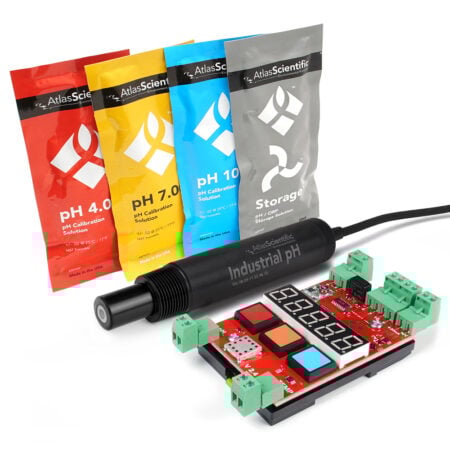

Maintaining the correct pH inside a bioreactor is essential for successful fermentation, cell culture, and bioprocess optimization. Even small pH fluctuations can dramatically affect enzyme

Reverse osmosis water is best for hydroponics, providing near-zero EC and removing contaminants. It offers reliable results, precise nutrient control, and typically pays for itself