
Subtotal: $9.99

Blog
The 5 Best Aquaponics Systems
The best aquaponics systems balance reliability, efficiency, and crop versatility. Media beds suit beginners, rafts maximize leafy-green production, NFT and vertical systems save space, while




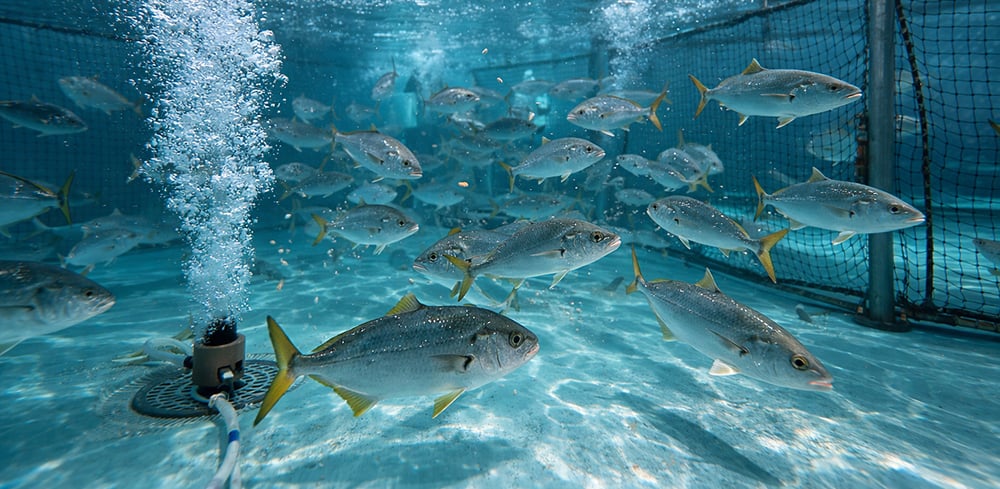
Maintaining stable salinity is critical in saltwater aquaculture. Even small conductivity fluctuations can stress fish, shrimp, or shellfish and lead to disease outbreaks or reduced growth rates. That’s why many aquaculture operators rely on conductivity sensors to monitor dissolved salts and maintain optimal water conditions in real time.
Conductivity probes measure the ability of water to carry an electrical current, which reflects ion concentration and can be used to estimate salinity when properly temperature-compensated and calibrated. In aquaculture systems, they’re commonly used to track water quality and ensure consistent conditions for aquatic organisms.
Because conductivity is temperature-dependent, readings can vary significantly as water temperature changes. To ensure accuracy, most conductivity sensors use automatic temperature compensation (ATC), which adjusts measurements to a standard reference temperature (typically 25°C/77°F). This is especially important in aquaculture systems, where daily temperature fluctuations can otherwise lead to misleading conductivity readings and incorrect salinity estimates.
However, not all conductivity sensors are built to withstand high salinity, continuous immersion, and harsh marine environments. In this article, we review five of the best conductivity probes for saltwater aquaculture and determine which delivers the best combination of durability, accuracy, and long-term reliability.
Before selecting a sensor, it’s important to look at the features that matter most in marine aquaculture environments.
Key factors to consider:
Now let’s take a closer look at five conductivity probes commonly used in aquaculture monitoring.

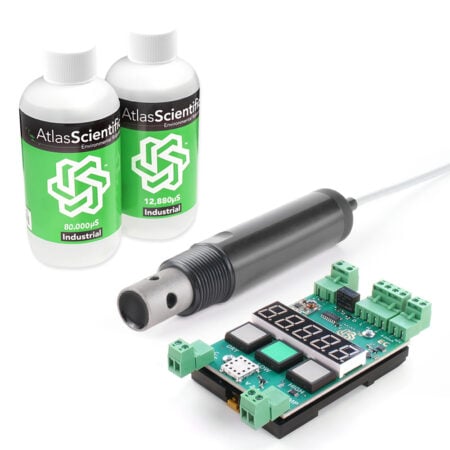
The Atlas Scientific Conductivity Probe K 10 is widely used in environmental monitoring, aquaculture systems, and chemical process control thanks to its wide measurement range and excellent durability.
It measures conductivity from 10 µS/cm up to 1 S/cm, making it ideal for monitoring everything from freshwater to high-salinity marine environments. The probe also delivers ±2% accuracy and a fast response time of about 1 second, enabling reliable real-time water quality monitoring.
Another standout feature is its long operational lifespan and calibration interval, often around 10 years before recalibration is needed.
Best for: aquaculture operators who need high-precision conductivity monitoring with minimal maintenance, the Atlas Scientific K 10 offers an exceptional balance of performance and reliability.
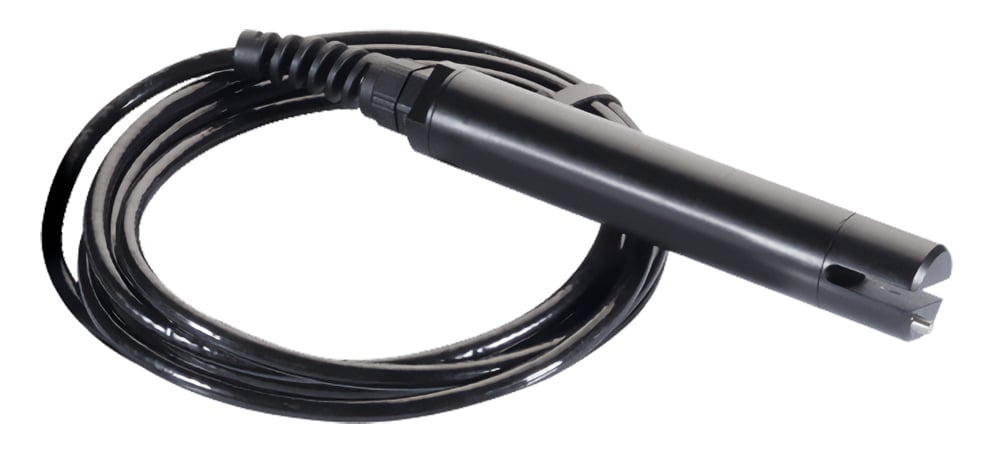
Aqualabo produces a range of digital conductivity sensors designed for environmental monitoring and seawater analysis. These probes often use multi-electrode technology for improved stability and are built for demanding industrial or environmental applications.
They integrate easily with data loggers and monitoring systems, making them useful for larger aquaculture operations where centralized monitoring is required.
Best for: integrated monitoring platforms.
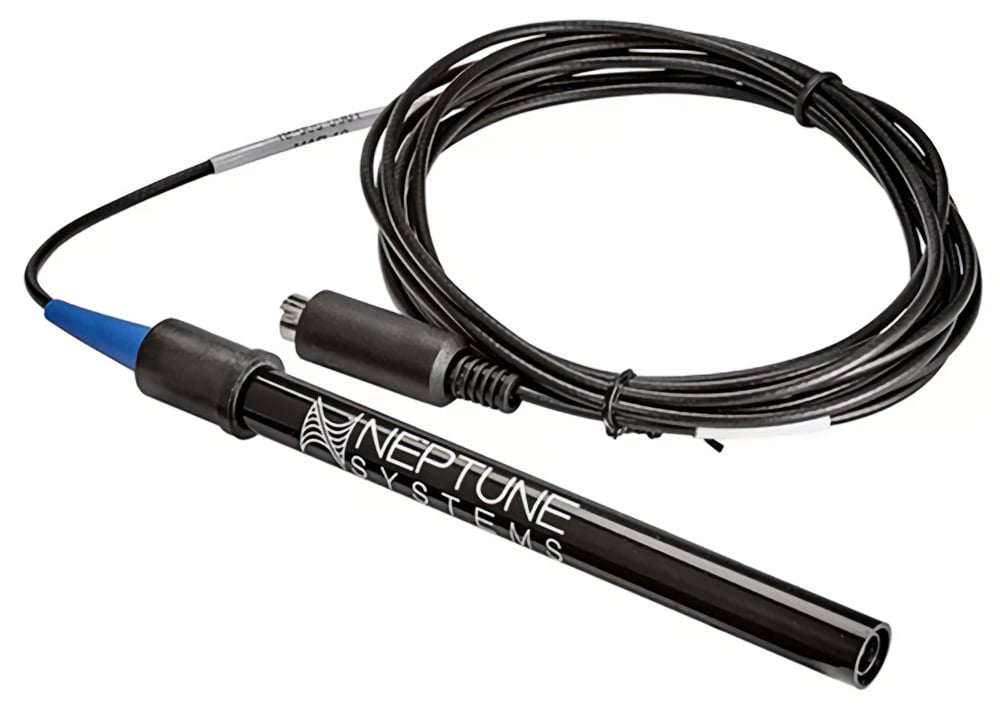
The Neptune Systems probe is commonly used in reef aquariums and smaller aquaculture tanks where maintaining stable salinity is critical for sensitive organisms.
These probes connect directly to aquarium controllers and enable real-time salinity monitoring with alerts and automation.
Best for: small aquaculture tanks or research setups.
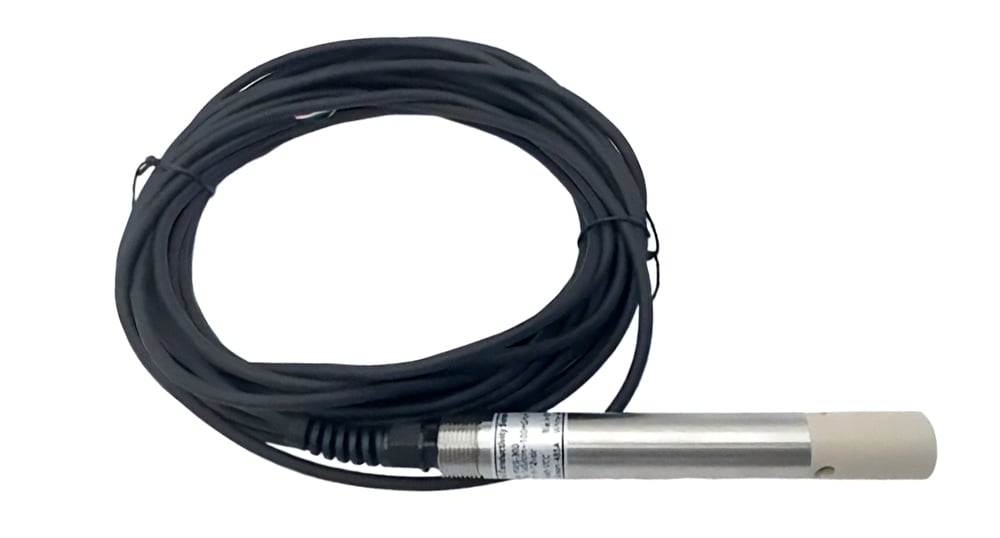
The KWS-300 is a 4-electrode digital conductivity sensor designed for high-salinity aquaculture environments. It can measure conductivity, salinity, and total dissolved solids while providing digital RS-485 output for monitoring systems.
Its titanium alloy housing helps resist corrosion in saltwater environments.
Best for: industrial aquaculture monitoring systems.
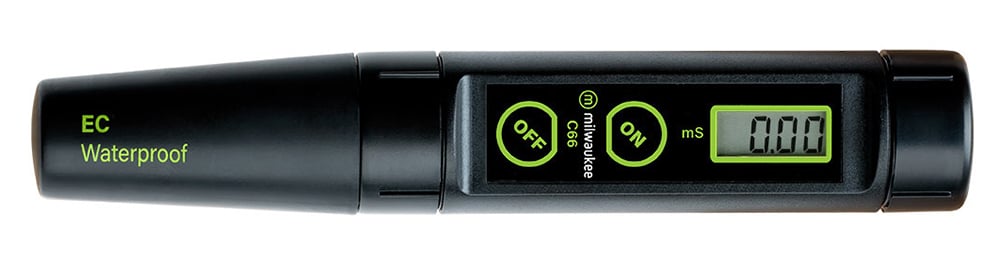
The Milwaukee C66 is a portable conductivity tester that provides high-range conductivity measurements with automatic temperature compensation.
While it’s designed primarily as a handheld testing tool, it can be useful for spot checks or portable aquaculture monitoring.
Best for: portable conductivity testing.
| Sensor | Conductivity Range | Accuracy | Response Time | Durability / Lifespan | Best Use Case |
| Atlas Scientific Conductivity Probe K 10 | 10 µS/cm – 1 S/cm | ±2% | ~1 second (90%) | ~10-year life, recalibration rarely needed | Best overall for aquaculture monitoring |
| Aqualabo C4E Conductivity Sensor | Wide range depending on configuration | Industrial-grade accuracy | Fast response | Designed for demanding environments with fouling resistance | Industrial environmental monitoring |
| Neptune Systems Conductivity / Salinity Probe | 0–999 µS/cm or 0–99.9 mS/cm | Lab-grade aquarium accuracy | Real-time monitoring | Typically replaced every 1–2 years | Aquarium / small tank monitoring |
| KWS-300 Digital Conductivity Sensor | Designed for high-salinity water | High stability with 4-electrode design | Continuous monitoring | IP68 waterproof titanium housing | Industrial aquaculture systems |
| Milwaukee C66 EC Tester | High-range handheld EC measurement | Portable tester accuracy | Instant readings | Portable handheld device | Spot testing and field checks |
The Atlas Scientific Conductivity Probe K 10 stands out as the best option for saltwater aquaculture because it combines a wide measurement range, reliability, and very low maintenance.
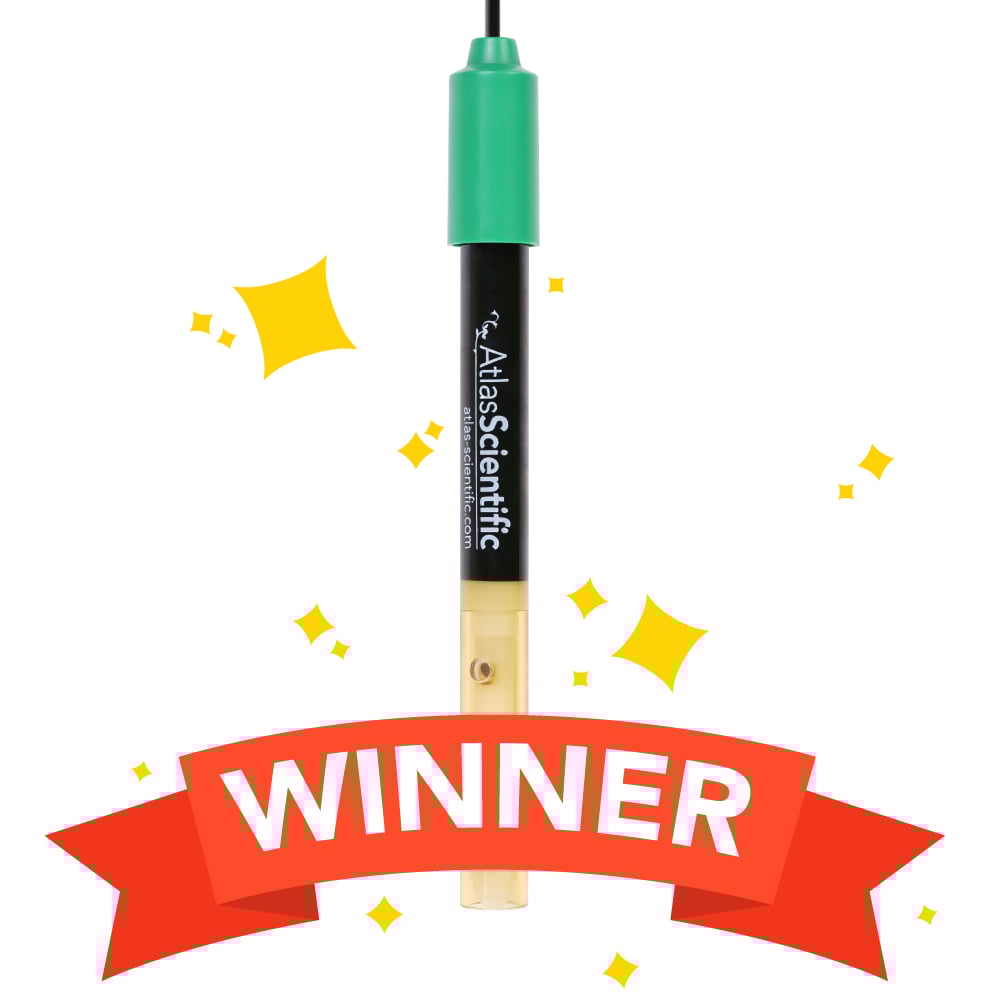
Wide conductivity range: The probe measures from 10 µS/cm to 1 S/cm, making it suitable for freshwater, brackish water, and high-salinity marine environments with a single sensor.
Fast response time: With a response time of about 1 second, the K 10 allows aquaculture operators to detect salinity changes quickly and maintain stable water conditions.
Long lifespan: Unlike many probes that require frequent recalibration, the K 10 typically operates for many years with minimal maintenance, helping reduce downtime and operating costs.
Durable design: Built for continuous submersion and harsh environments, the probe performs reliably in demanding aquaculture systems.
Bottom line: The Atlas Scientific K 10 provides the best balance of accuracy, durability, and long-term reliability, making it an excellent choice for monitoring conductivity in saltwater aquaculture.

The best aquaponics systems balance reliability, efficiency, and crop versatility. Media beds suit beginners, rafts maximize leafy-green production, NFT and vertical systems save space, while
Maintaining the correct pH inside a bioreactor is essential for successful fermentation, cell culture, and bioprocess optimization. Even small pH fluctuations can dramatically affect enzyme