

Blog
Best Water For Hydroponics
Reverse osmosis water is best for hydroponics, providing near-zero EC and removing contaminants. It offers reliable results, precise nutrient control, and typically pays for itself





Reverse osmosis water is best for hydroponics, providing near-zero EC and removing contaminants. It offers reliable results, precise nutrient control, and typically pays for itself within a year through improved yields.
The essential element of any hydroponic system is water. It serves as a channel for oxygen and dissolved minerals to reach the plant, as well as a carrier of nutrients and the environment around the root zone. In order to mitigate problems with water quality, soil growers can rely on the stabilizing effects of organic matter, clay, and microbial life. This benefit is not available to hydroponic growers. Any imbalance or contamination is felt instantly and without moderation because roots are directly exposed to the water.
For this reason, many early hydroponic failures are thought to be caused by issues with water quality. Many growers merely believe that their tap water is sufficient or that any deficiencies can be fixed with nutrient formulations.
Understanding your water source, keeping an eye on its parameters, and using the proper treatment when needed are all necessary for consistent results.
Plants grown hydroponically are exposed to the full concentration of all substances dissolved in the water, whether they are beneficial or detrimental. A hydroponic reservoir does not absorb excess nutrients, bind heavy metals, or buffer pH fluctuations as soil does. Rather, water is delivered precisely as it is received by the root system.
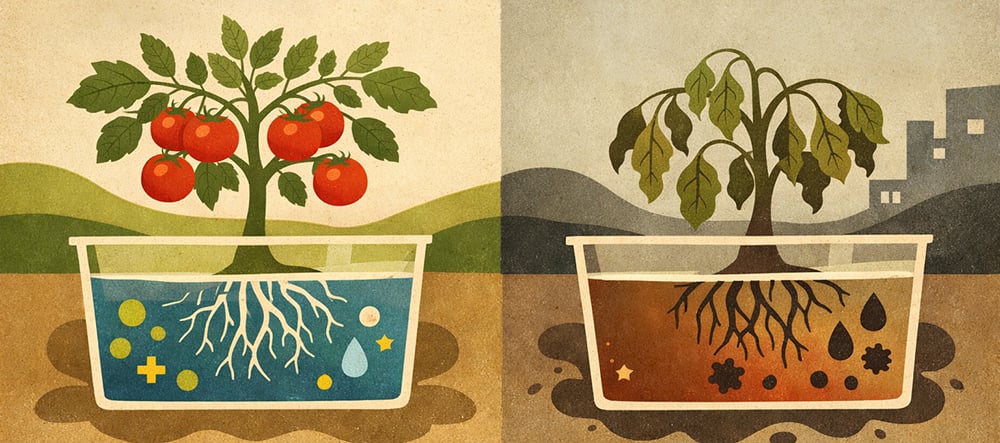
Nutrient lockout, toxicity, root stress, or pathogen pressure can rapidly result from even small imbalances in soil that would otherwise be harmless. Because pollutants do not exit recirculating systems, they compound with each water cycle, making the issue worse. After a week, a small amount of bicarbonate that slightly raises pH on the first day may cause unstable pH. The microbial populations necessary for healthy roots can be disturbed by trace amounts of chlorine that are acceptable in drinking water.
The main reason growers need to approach water quality as a fundamental element rather than an afterthought is because of this sensitivity.
The gatekeeper of nutrient availability is pH. When nutrient solutions stay between pH 5.5 and 6.5, most hydroponic crops thrive. Essential components become either unavailable or excessively mobile outside of this window. When pH rises above neutral, iron and manganese availability drastically decrease, and when pH falls too low, calcium and magnesium uptake become erratic.
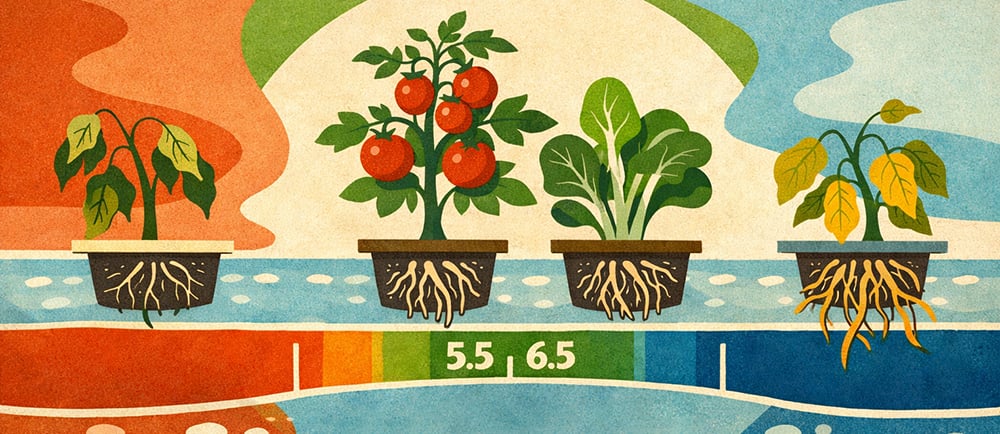
The simplest foundation for nutrient preparation is to start with source water that is close to pH 6.5–7.0, as this requires very little adjustment. Larger amounts of acid or base are required to correct water that starts much above or below this level. In addition to introducing ions that build up over weeks of recirculation, these additions can affect electrical conductivity. For growers seeking a deeper explanation of the mechanisms involved, our guide on why pH is important for hydroponics breaks down how pH levels influence nutrient uptake and plant growth
The concentration of dissolved minerals in water is represented by electrical conductivity (EC) and total dissolved solids (TDS). Growers have complete control over the nutrient profile when they use source water with low EC. Water used for hydroponics should ideally start at less than 0.3 mS/cm, or about 150–200 PPM. Predicting which minerals are already present and in what amounts becomes challenging when the EC starts to rise above this threshold.
Calcium, magnesium, sodium, bicarbonates, and other ions may be present in municipal water with a high EC. The ratios and concentrations of these minerals are unknown unless a laboratory analysis is carried out, despite the fact that some of them are advantageous. Nutrient formulation is hampered by these hidden variables, which also frequently result in unstable pH levels and less “space” for dissolved nutrients before toxicity thresholds are reached. Hard water with high bicarbonate levels tends to raise pH over time, necessitating ongoing adjustment.
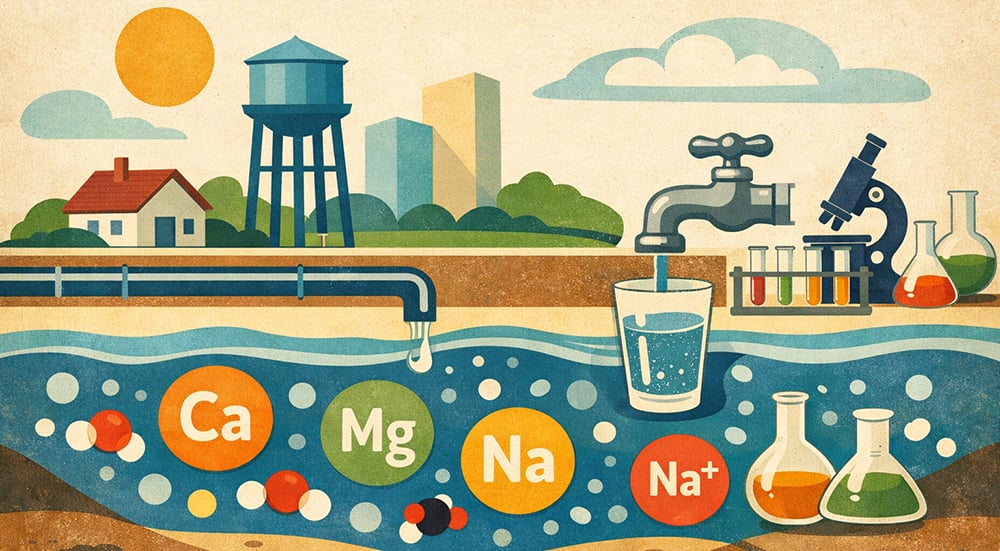
Growers who want a deeper understanding of conductivity can explore how EC works in hydroponics and how it reflects dissolved nutrient levels.
Disinfectants are used in municipal water treatment to get rid of pathogens. The conventional option is chlorine, which disappears after 24 to 48 hours in the air. Due to their stability in distribution systems, chloramines (a mixture of ammonia and chlorine) have grown in popularity. But because of their stability, they are hard to get rid of with just standing or aeration.
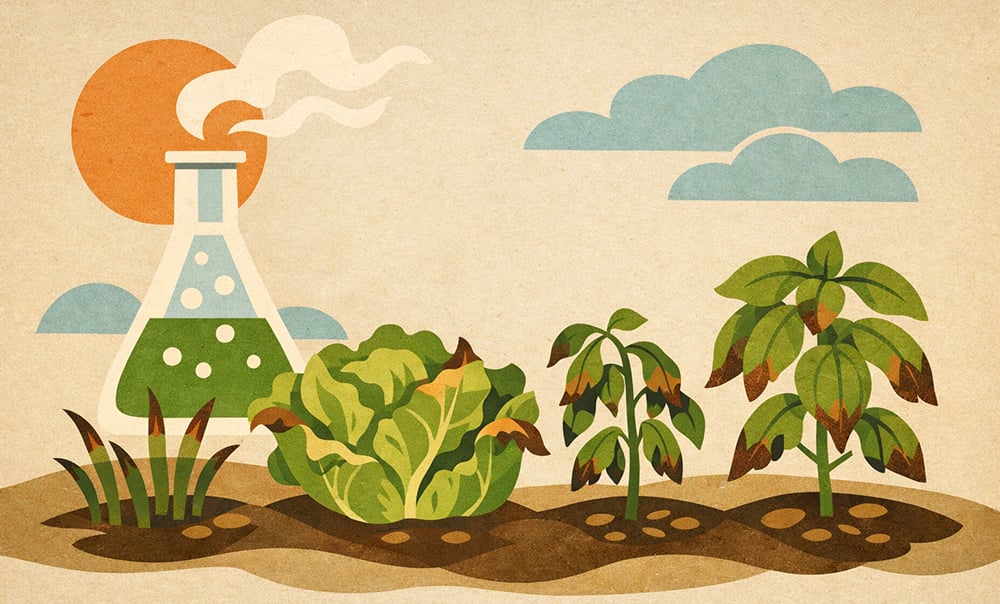
When both disinfectants are present in higher than moderate concentrations, they damage plants. When exposed to chlorine levels above about 0.5 PPM, sensitive species like lettuce and herbs exhibit reduced growth and leaf tip burn. More significantly, the root zone’s beneficial microbial communities are disturbed by chlorine and chloramines. These microorganisms are crucial for the cycling of nutrients and the defense of roots against infections in hydroponics. When using municipal water, eliminating disinfectants is a crucial first step.
There is a significant amount of calcium and magnesium in hard water. These minerals are necessary for plants, but when their concentrations are unclear or too high, issues can occur. Scaling inside irrigation equipment, such as emitters and pumps, is often caused by hard water. Additionally, it increases alkalinity, which increases the likelihood of pH drift upward, sometimes daily.
Household water that has been softened is not a practical substitute. Water softeners substitute sodium for calcium and magnesium, but they do not lower total dissolved solids. Sodium buildup can harm plant tissue and prevent nutrient uptake in hydroponic systems, even at moderate concentrations.
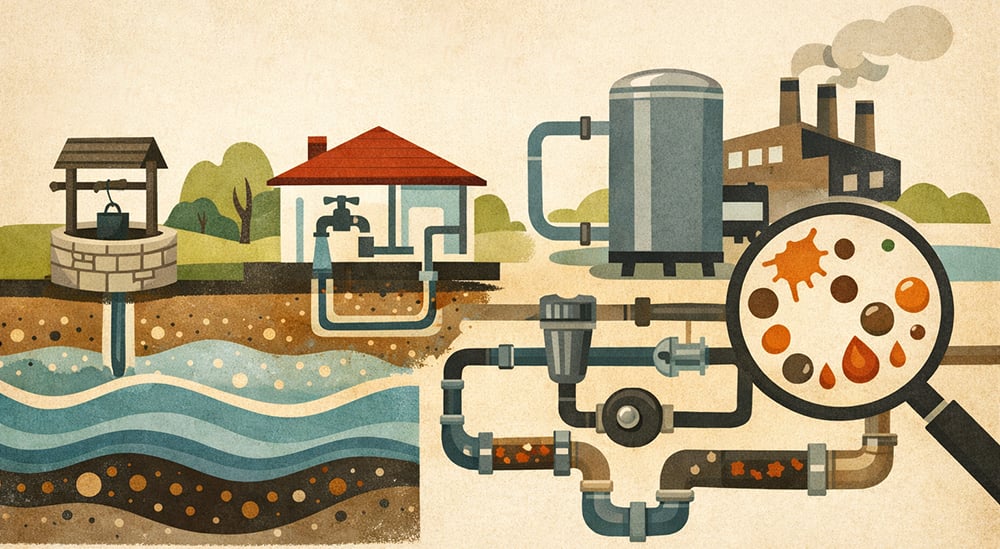
Depending on the geology and plumbing age, water sources may contain iron, manganese, arsenic, lead, or copper. In recirculating systems, even low concentrations can build up and become hazardous. While some wells exhibit bacterial contamination, others contain nitrates from agricultural runoff. Due to the lack of buffering in hydroponics, these pollutants are directly absorbed by plants and may build up in edible tissues. Before determining whether further treatment is required, it is crucial to comprehend the unique risks associated with your source water.
Distilled water has a neutral pH, very little EC, and is almost pure. It is perfect for small-scale setups or creating concentrated stock solutions because it provides a completely blank slate for nutrient formulation. However, any grower using more than a few gallons per week would find distilled water unfeasible due to the cost per gallon and energy needed to produce it. It is not a scalable solution for the majority of hobbyists and almost all commercial operations.
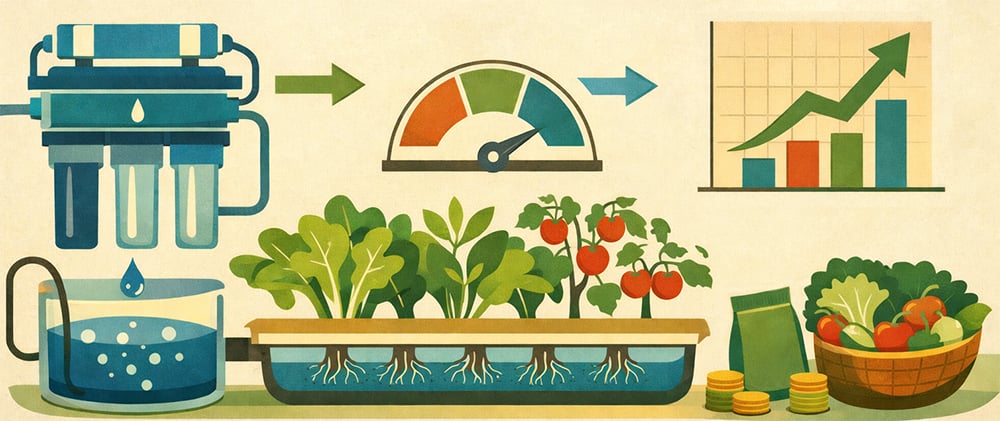
The most practical method for producing high-purity water on a large scale is reverse osmosis. Most contaminants, disinfectants, and dissolved solids are eliminated by RO systems, leaving water with an EC that is almost zero. RO water provides reliable results and reduces the need to adjust pH or make up for unknown mineral content for serious hydroponic growers, particularly those who use recirculating systems.
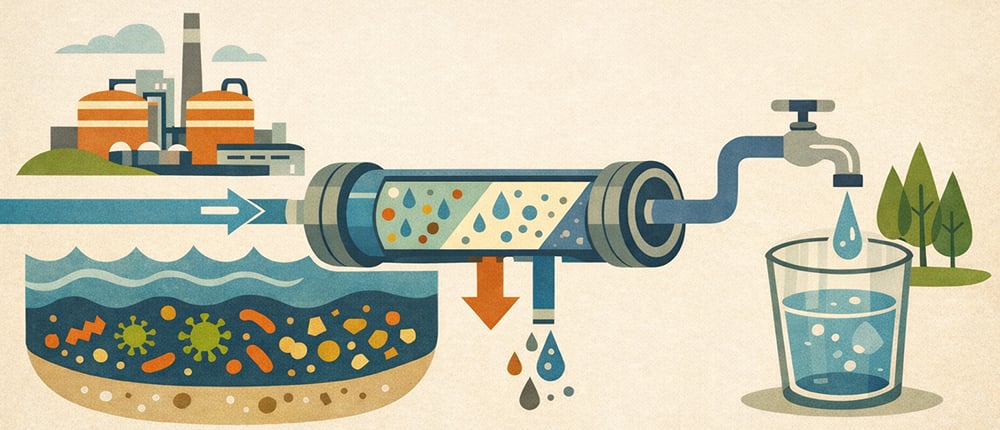
The cost per gallon is still much less than buying distilled water, even though RO systems waste several gallons for each gallon produced. The only maintenance required is the periodic replacement of membranes and pre-filters. With better nutrient control, higher yields, and less equipment maintenance, a RO system typically pays for itself in less than a year.
Growers in areas with frequent precipitation find rainwater appealing because it is naturally soft and devoid of chemical disinfectants. However, dust, pollen, bird droppings, and substances leached from roofing materials may be present in water collected from roofs or open-air systems. Thus, appropriate filtration and sterilization are required.
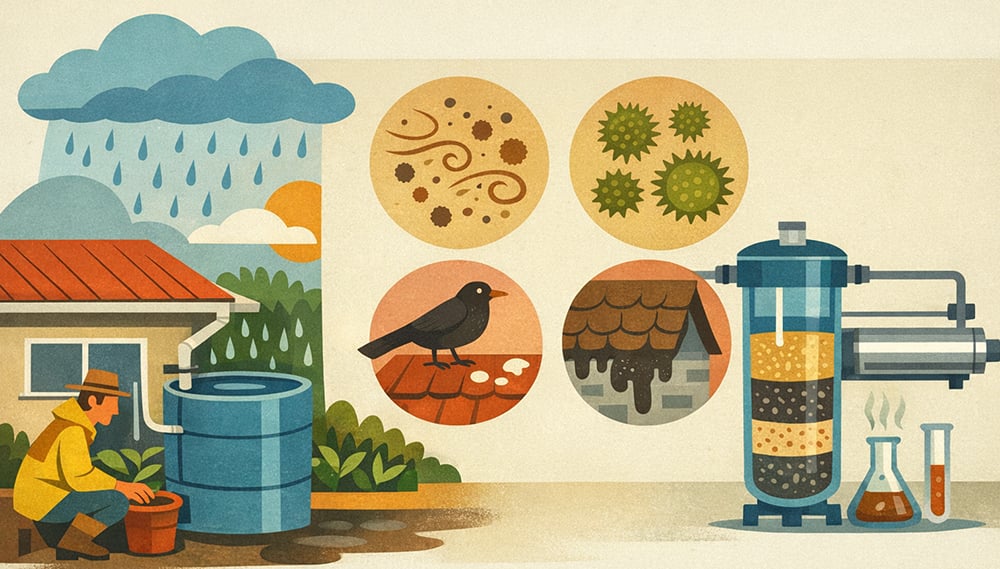
After screening to get rid of debris, collection systems need to filter sediment and activated carbon to get rid of organic pollutants. Microbial hazards can be reduced by sterilization with UV light or hydrogen peroxide treatment. Rainwater can get close to RO-quality water after treatment, but its dependability is totally dependent on the climate.
The quality of well water varies greatly. Certain wells yield high-quality, low-mineral water that is perfect for hydroponics. Others include metals like iron and manganese, high sodium levels, or excessive hardness. Certain wells have bacteria or nitrates in them due to agricultural runoff.
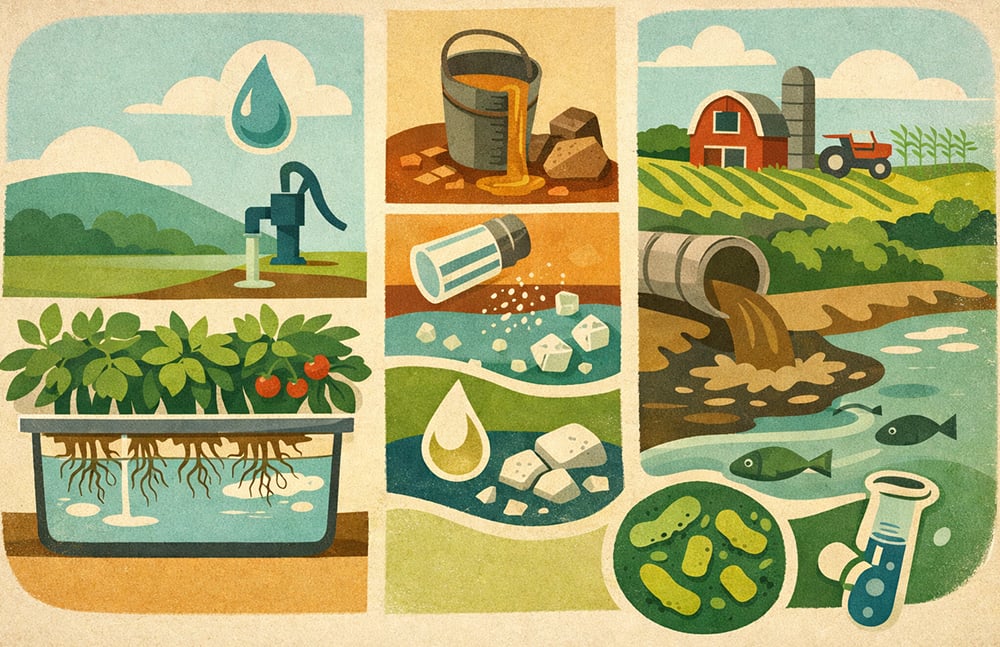
A thorough laboratory analysis is required prior to using well water. pH, alkalinity, EC, calcium, magnesium, sodium, chloride, iron, manganese, nitrates, heavy metals, and microbial contamination should all be tested for. Well water can be used directly if it is within acceptable bounds. The most dependable remedy is RO treatment if it doesn’t.
Due to its accessibility and compliance with drinking water regulations, tap water is frequently the simplest choice. However, depending on the area and time of year, its mineral content and disinfectant levels can differ significantly. Controlling pH is more challenging because hard water with high alkalinity is distributed by many municipalities. It is always necessary to neutralize either chlorine or chloramines before the water gets to the plants.
Aeration can speed up the natural dissipation of chlorine in water that is left exposed for one to two days. Chloramines need to be chemically neutralized with ascorbic acid (vitamin C) or eliminated using activated or catalytic carbon filters. Growers frequently combine tap and RO water to create a controlled mixture that preserves some advantageous minerals while lowering total dissolved solids when hardness is an issue. A popular and successful strategy is a 50:50 blend.
Instead of treating water testing as an infrequent check, successful hydroponic growers treat it as a regular task. For systems that depend on tap or well water, the pH and EC of the source water should be checked at least once a week. When water is kept in tanks or subjected to seasonal temperature fluctuations, temperature monitoring becomes crucial.
Because plants actively alter the water by absorbing nutrients and releasing residues, nutrient solutions need to be tested more frequently. During active growth, monitoring pH and EC two to three times a week guarantees that adjustments are made before plants encounter stress. Many growers also experience pH drift in reservoirs over time, which can destabilize nutrient availability if it is not monitored and corrected regularly.
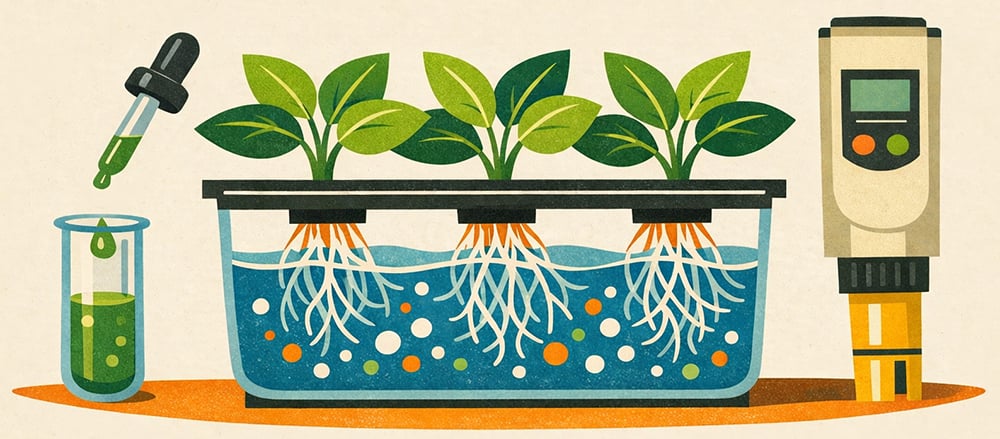
High-quality instruments are necessary for accurate readings. pH and conductivity probes of laboratory quality provide accurate, consistent readings and account for temperature variations. Particularly in recirculating systems that rely on precise control of solution chemistry, inconsistent meters cause more issues than they resolve. Growers who are new to monitoring nutrient solutions may benefit from learning the basics of hydroponic water testing and how to measure pH, EC, and temperature accurately.
The temperature of the water affects the amount of dissolved oxygen and the rate at which nutrients are absorbed. For most hydroponic systems, the ideal temperature range is between 68°F and 72°F. Anaerobic conditions and root diseases are more likely when water warms above 75°F because dissolved oxygen levels drastically decrease. On the other hand, plant growth decreases, and nutrient uptake slows when temperatures drop below 60°F.
Insulating reservoirs, protecting tanks from direct sunlight, or installing chillers or heaters for precise control are some ways to manage temperature. Maintaining stability is crucial at every stage of production because temperature variations impact many aspects of plant performance.
The first line of defense is frequently filtration. Physical particles that can clog emitters or harm pumps are removed by sediment filters. While catalytic carbon is better at handling chloramines, activated carbon filters eliminate organic compounds and chlorine. RO systems offer the most thorough and reliable results for growers with hard water or high dissolved solids.
Hydroponic-specific products are needed for pH adjustments. Impurities that build up over time can be introduced by using bases or acids made for different purposes. Always make adjustments gradually, thoroughly mix, and wait at least fifteen minutes before retesting. Growers can predict how much adjustment is usually needed when creating new nutrient batches by keeping thorough records. See our guide to adjusting pH in hydroponics for further details.
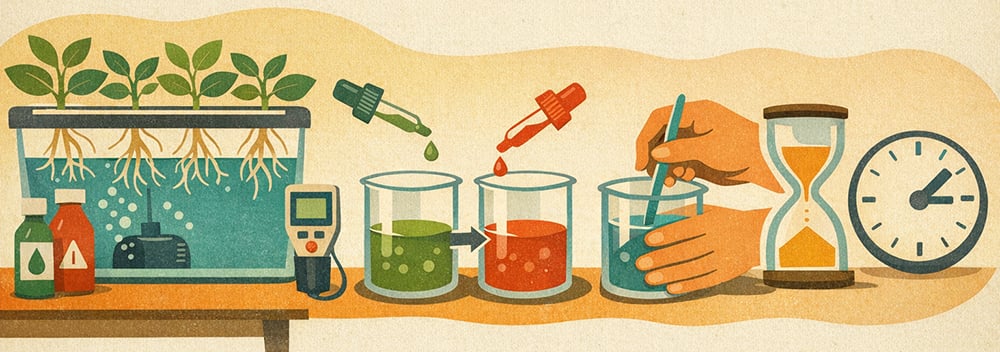
Every hydroponic system is built on the foundation of water quality. The objective is the same whether a grower starts with the purest and most reliable water source possible, whether they use RO water, treated municipal water, or carefully processed rainwater. Following the establishment of an appropriate baseline, continuous temperature, pH, and EC monitoring guarantees that the environment stays steady and predictable.
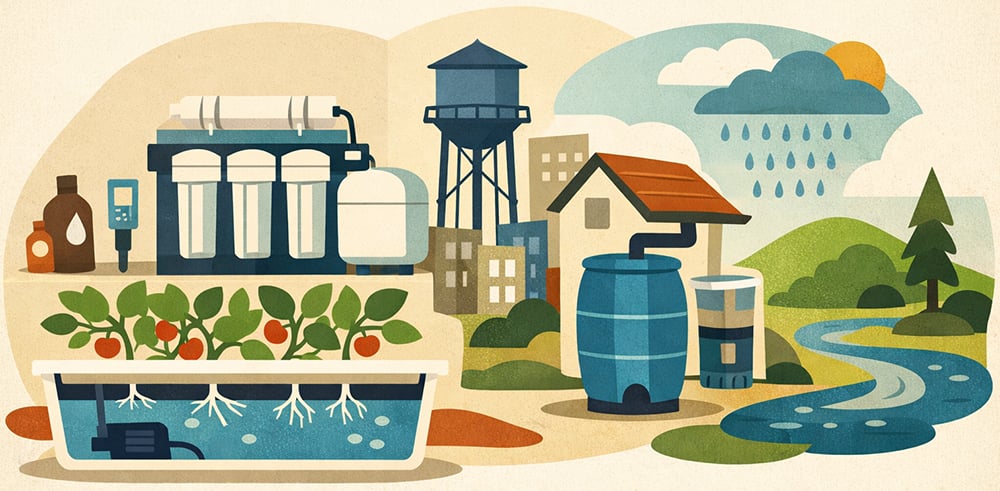
Maintaining these conditions requires the use of high-quality probes and sensors that can consistently monitor pH, EC, and temperature within the reservoir. If you would like to learn more about water quality or what sensors and meters we recommend, reach out to the world-class team at Atlas Scientific.
Reverse osmosis water is best for hydroponics, providing near-zero EC and removing contaminants. It offers reliable results, precise nutrient control, and typically pays for itself

Maintaining a thriving reef aquarium requires stability. Corals and other reef organisms consume calcium, alkalinity, magnesium, and trace elements daily, and inconsistent dosing can quickly