

Blog
Best Dissolved Oxygen Meter for Aquariums
Maintaining healthy oxygen levels is one of the most important aspects of aquarium care. Fish, shrimp, plants, corals, and beneficial bacteria all depend on proper

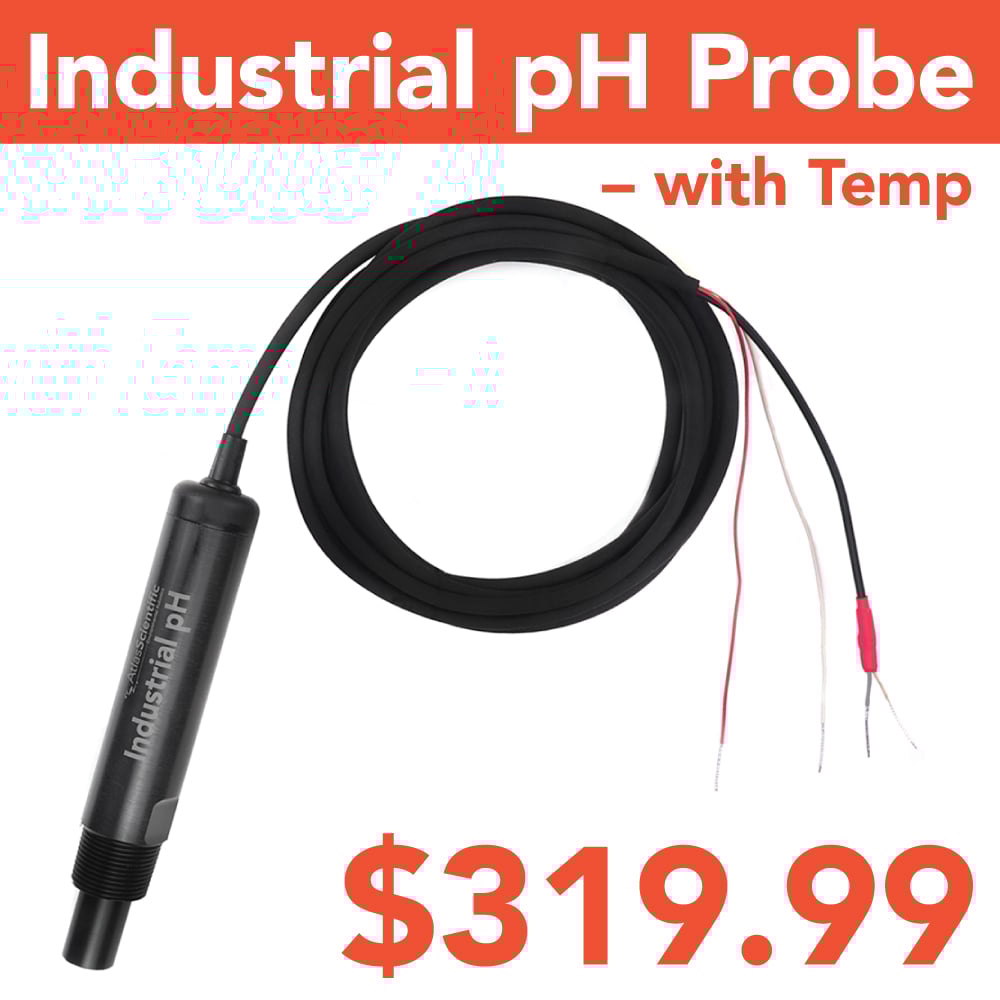





Plant nutrient deficiencies happen when important nutrients are available, but cannot be used because of pH issues, environmental factors, or competition for absorption and uptake. Diagnosis of nutrient deficiencies is best accomplished when there is environmental monitoring, tissue or sap analysis done, and symptom mapping. Treatment is best when it targets root causes and is designed specifically. Treatment is best when nutrient delivery is delivered in a controlled manner, and environmental factors are also controlled.
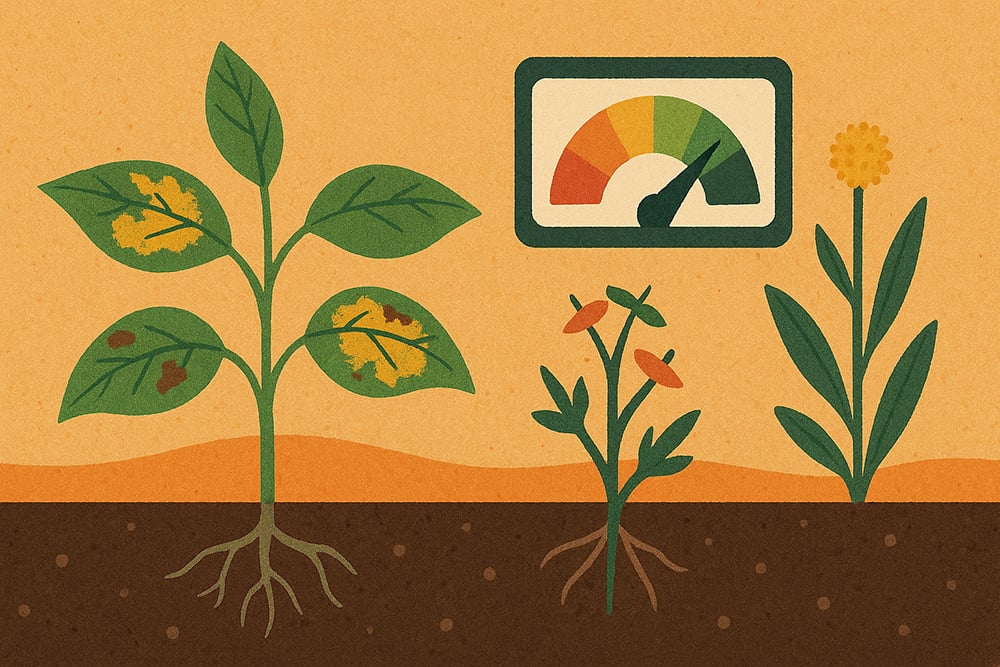
When your precious crops start to display puzzling yellow patches, scale back in growth and development, or leaf ageing. You are witnessing complex processes of nutrient deficiencies. These are not symptoms of malnutrition, but complex biochemistry in malfunction and processes that cause billions in annual losses to commercial growers, cost in lost yields, and reduced crop quality.
What separates successful growers from the rest is when they understand that nutrient deficiencies are not as simple as a lack of nutrients but a question of bioavailability, environmental factors, and the precise science of plant nutrition.
Plant nutrient deficiencies represent one of agriculture’s most complex challenges because they involve the intersection of plant physiology, soil chemistry, environmental factors, and nutrient interactions. Unlike simple fertilizer application, successful nutrient management requires understanding these interconnected systems and using precision monitoring to maintain optimal growing conditions.
The presence of nutrients in your growing medium doesn’t guarantee plant uptake. Bioavailability, the actual accessibility of nutrients to plant roots, depends on multiple factors that complex growers monitor continuously:
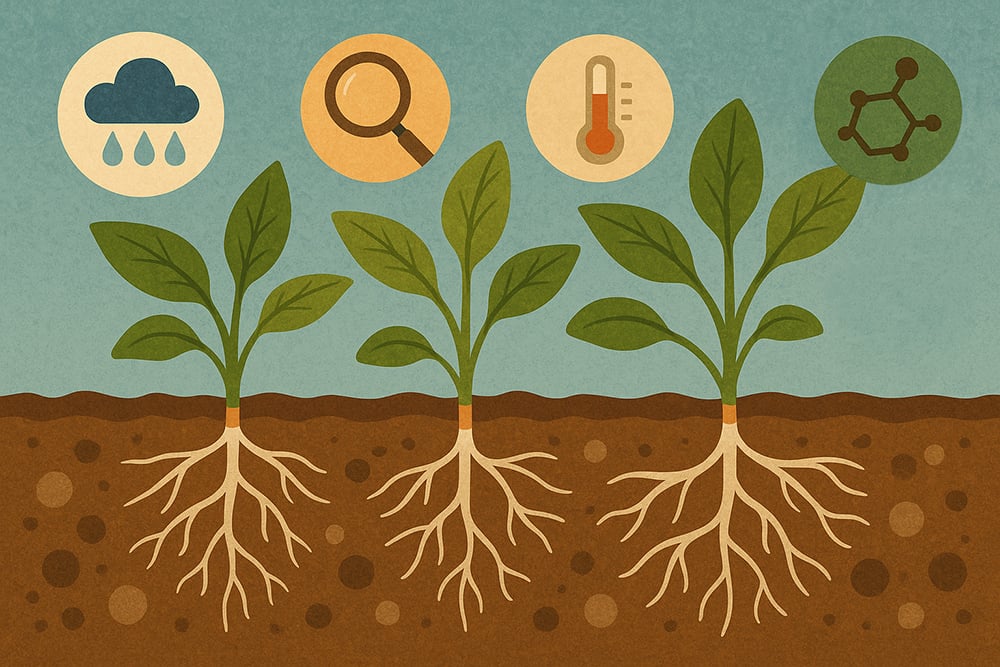
Chemical Form and Solubility: Plants can only uptake nutrients in specific ionic forms. For instance, nitrogen must be in nitrate (NO₃⁻) or ammonium (NH₄⁺) forms, while phosphorus requires phosphate (PO₄³⁻) ions. The chemical environment of your root zone determines which forms are available.
Root Zone pH: This critical parameter affects nutrient solubility and plant uptake mechanisms. Most nutrients show optimal availability within specific pH ranges, making continuous pH monitoring essential for preventing deficiencies.
Electrical Conductivity (EC): The concentration of dissolved salts affects nutrient uptake through osmotic pressure and ion competition. Professional growers use precision EC monitoring to maintain optimal conditions.
Environmental Interactions: Temperature, humidity, and light intensity all influence nutrient uptake rates and plant demand, creating dynamic conditions that require adaptive management.

While traditional approaches rely on visual symptom identification, precision agriculture demands earlier detection and more accurate diagnosis. Advanced growers employ systematic diagnostic protocols that identify deficiencies before yield losses occur.
Before examining plant symptoms, evaluate the fundamental parameters that control nutrient availability:
pH Analysis: Use laboratory-grade pH sensors like the Atlas Scientific EZO-pH Circuit to measure both soil and nutrient solution pH with 0.001 resolution accuracy. Document pH variations across different zones and times of day, as pH fluctuations can create intermittent deficiency symptoms.
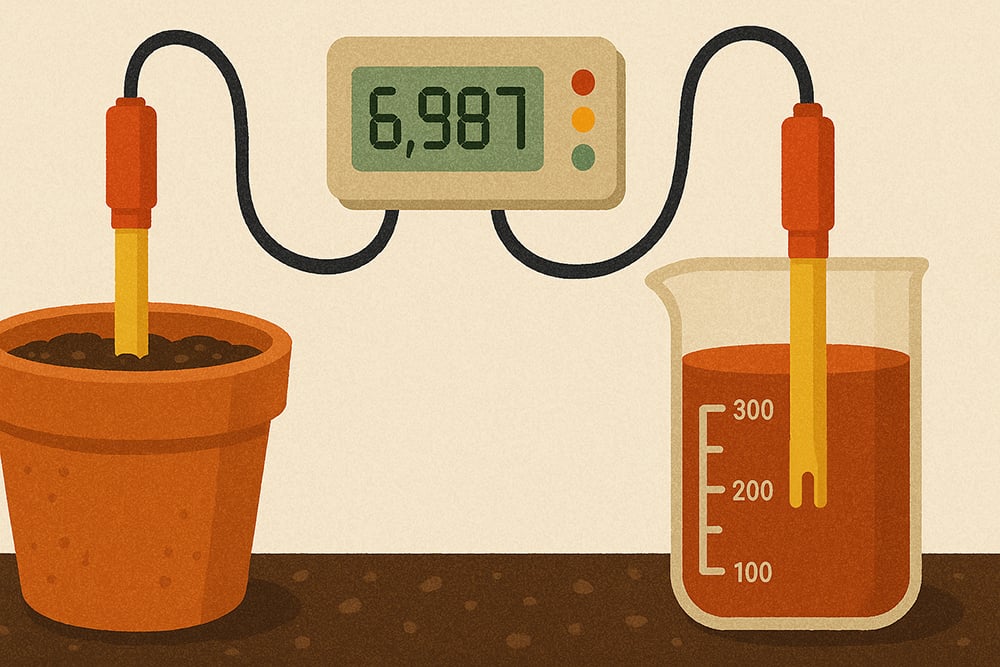
Electrical Conductivity Monitoring: Deploy precision EC meters such as the EZO-EC Circuit to track total dissolved solids, salinity levels, and nutrient concentration. This data reveals whether deficiency symptoms result from insufficient nutrients or uptake problems.
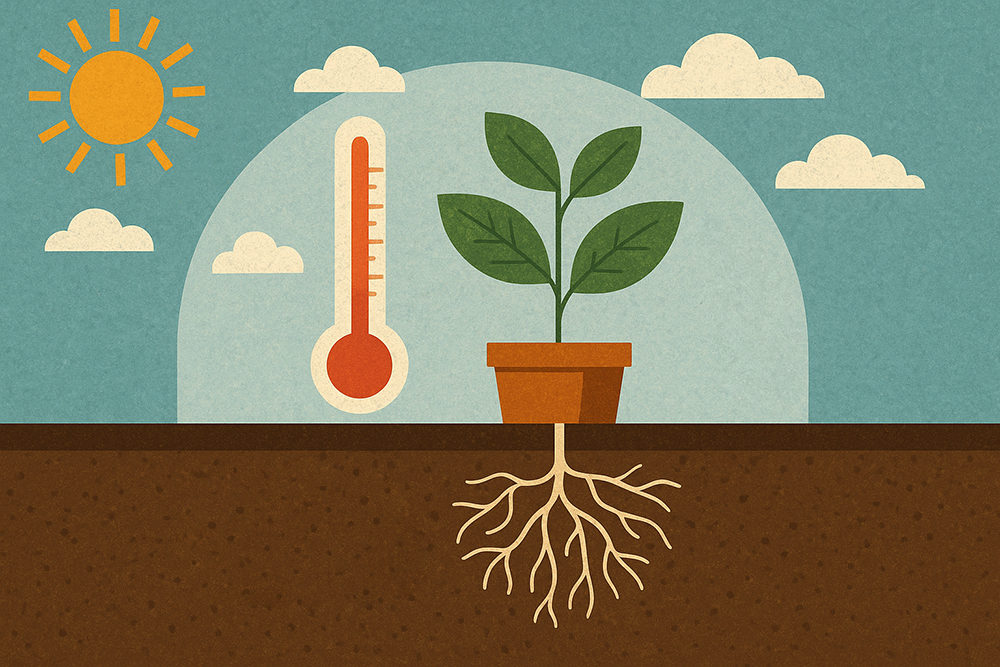
Temperature Profiling: Monitor both air and root zone temperatures, as temperature affects nutrient solubility, enzyme activity, and uptake rates. Remember that temperature plays a key role in pH measurements. When temperature levels increase, the pH level drops, affecting nutrient availability calculations.
Tissue Testing Protocols: Sample young, fully expanded leaves during peak uptake periods for laboratory analysis. Compare results against species-specific sufficiency ranges rather than generic guidelines.
Sap Analysis: Real-time plant sap testing provides immediate nutrient status feedback, allowing rapid intervention before visual symptoms appear.
Growth Rate Documentation: Quantify growth rates, internode length, and leaf size to detect subtle deficiency effects before obvious symptoms develop.

When visual symptoms appear, use structured identification protocols:
Location Mapping: Document whether symptoms appear in older leaves (mobile nutrients), younger leaves (immobile nutrients), or specific plant parts.
Progression Patterns: Track how symptoms spread and change over time, as different deficiencies follow predictable progression patterns.
Environmental Correlation: Match symptom appearance with environmental conditions, irrigation events, and fertilizer applications.
Understanding macronutrient deficiencies requires deep knowledge of each element’s role in plant physiology and the specific conditions that affect uptake and utilization.
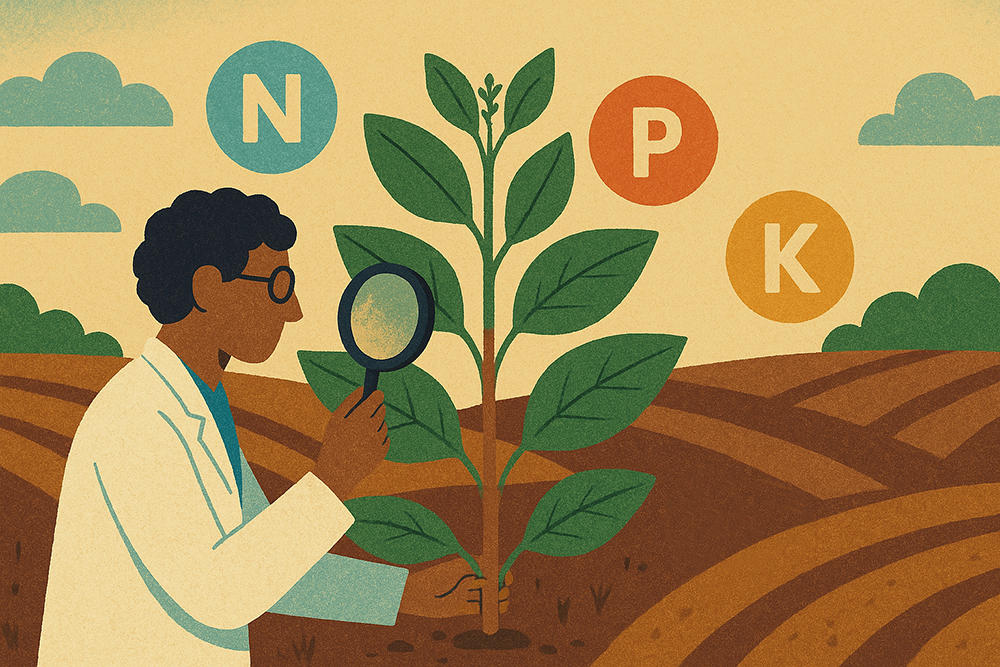
Beyond the classic lower leaf yellowing, nitrogen deficiency creates subtle early indicators, including reduced shoot elongation, delayed leaf emergence, and decreased tillering in grasses. Advanced growers monitor these parameters before obvious chlorosis appears.
Nitrogen deficiency affects protein synthesis, enzyme production, and chlorophyll formation. Plants respond by cannibalizing nitrogen from older tissues, creating the characteristic bottom-up yellowing pattern.

Nitrogen availability fluctuates with temperature, moisture, and microbial activity. Cool soils reduce nitrogen mineralization, while excessive irrigation can leach nitrogen beyond the root zones. Rather than simply increasing fertilizer rates, address root causes. Use nitrate-based fertilizers in cool conditions and ammonium-based sources when pH needs lowering. Monitor soil temperature and adjust application timing accordingly.
Early phosphorus deficiency symptoms include delayed maturity, reduced flowering, and distinctive purple or reddish coloration on leaf undersides and petioles. Older leaves show dark green coloration with purple tinting.

Phosphorus is central to ATP production, DNA synthesis, and membrane structure. Deficiency disrupts cellular energy transfer and genetic expression, explaining the dramatic growth impacts. Phosphorus readily binds with calcium, iron, and aluminum, becoming unavailable to plants. Soil pH below 6.0 or above 7.5 dramatically reduces phosphorus availability despite adequate soil levels.
Apply phosphorus in bands near roots to minimize soil fixation. Use mycorrhizal inoculants to enhance uptake efficiency and maintain optimal pH ranges for maximum availability.
Potassium deficiency creates distinctive leaf edge burn, interveinal chlorosis, and increased susceptibility to environmental stress. Plants show poor drought tolerance and increased disease susceptibility.
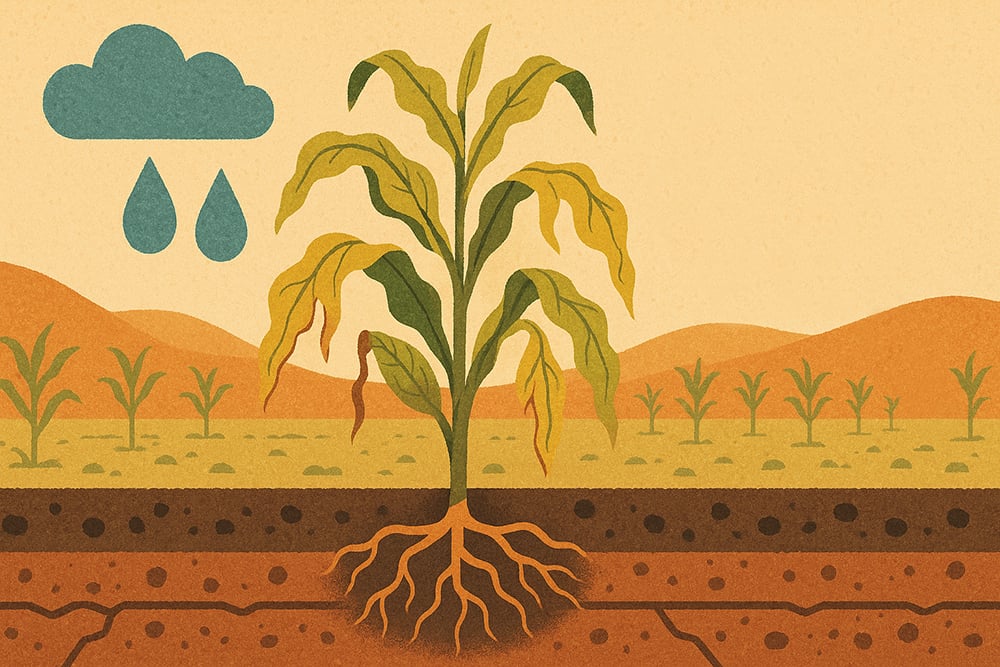
Potassium regulates stomatal function, enzyme activation, and osmoregulation. Deficient plants cannot properly regulate water uptake and loss, making them vulnerable to stress conditions. High calcium or magnesium levels can block potassium uptake through cation competition. Soil compaction reduces potassium mobility, creating localized deficiencies even in high-potassium soils.
Use potassium sulfate rather than chloride sources to avoid salt accumulation. Apply during cool periods to maximize uptake efficiency and ensure adequate soil moisture for nutrient movement.
Beyond blossom end rot in tomatoes, calcium deficiency causes tip burn in leafy greens, cork spot in apples, and cavity spot in carrots. Each crop shows species-specific symptoms requiring targeted identification skills. Calcium moves only through transpiration, making it susceptible to environmental conditions affecting water uptake. High humidity, low temperatures, or inconsistent watering can trigger deficiency symptoms despite adequate calcium levels.

Maintain consistent soil moisture, ensure adequate air movement, and monitor EC levels to prevent salt-induced calcium deficiency. Use calcium nitrate for immediate availability or gypsum for long-term soil improvement.
Magnesium deficiency creates distinctive interveinal chlorosis with green veins, often called the “Christmas tree” pattern. Symptoms typically begin in older leaves and progress upward. As the central atom in chlorophyll, magnesium deficiency directly reduces photosynthetic capacity. Plants show reduced sugar production and poor fruit development even before obvious visual symptoms appear.

Excessive potassium or calcium can induce magnesium deficiency through competitive inhibition. Monitor cation ratios rather than absolute levels for optimal management.
Sulfur deficiency closely resembles nitrogen deficiency but affects younger leaves first. Plants show general chlorosis and stunted growth with delayed maturity. Sulfur is essential for protein synthesis and enzyme function. Deficiency disrupts amino acid production and reduces plant stress tolerance.
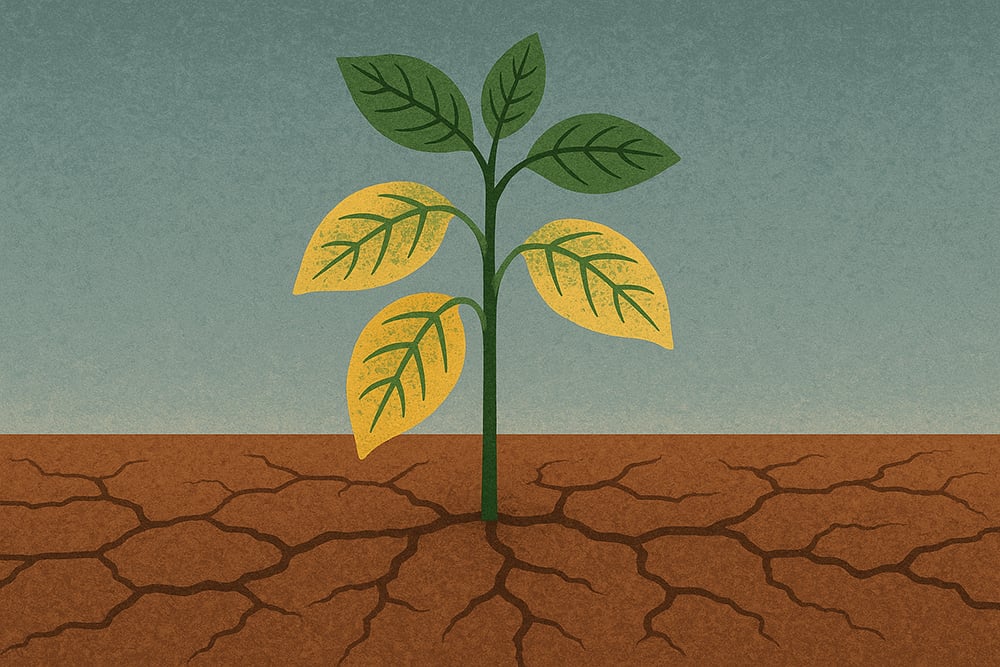
Reduced atmospheric sulfur deposition and increased crop yields have made sulfur deficiency more common. Regular soil testing and targeted sulfur application programs are increasingly necessary.
While needed in smaller quantities, micronutrient deficiencies can be equally devastating to crop production. Each micronutrient has specific roles and deficiency patterns requiring targeted management approaches.
Iron deficiency creates interveinal chlorosis in young leaves with stark green veins against yellow leaf tissue. Severe deficiency leads to white or necrotic leaves and the growing point. Iron availability decreases dramatically above pH 7.0 due to precipitation as iron hydroxide. Excessive phosphorus, zinc, or manganese can also induce iron deficiency through competitive interactions.

Treatment involves the use of chelated iron formulations for immediate response and addresses pH issues for long-term management. Foliar applications provide quick symptom relief while root zone treatments ensure sustained availability.
Zinc deficiency causes interveinal chlorosis, shortened internodes creating rosette growth patterns, and small, distorted leaves. Corn shows distinctive white striping between veins. Zinc activates numerous enzymes and regulates auxin production. Deficiency disrupts protein synthesis and growth hormone function, explaining the dramatic growth abnormalities.
Zinc deficiency often results from high soil pH or excessive phosphorus levels. Address root causes while applying zinc sulfate or chelated zinc for immediate treatment.
Boron deficiency affects growing points, causing hollow stems, cracked fruits, and poor flowering. Root systems show characteristic “witch’s broom” branching patterns. Boron is essential for cell wall formation, carbohydrate transport, and reproductive development. Deficiency disrupts pollen formation and fruit set even when other nutrients are adequate.
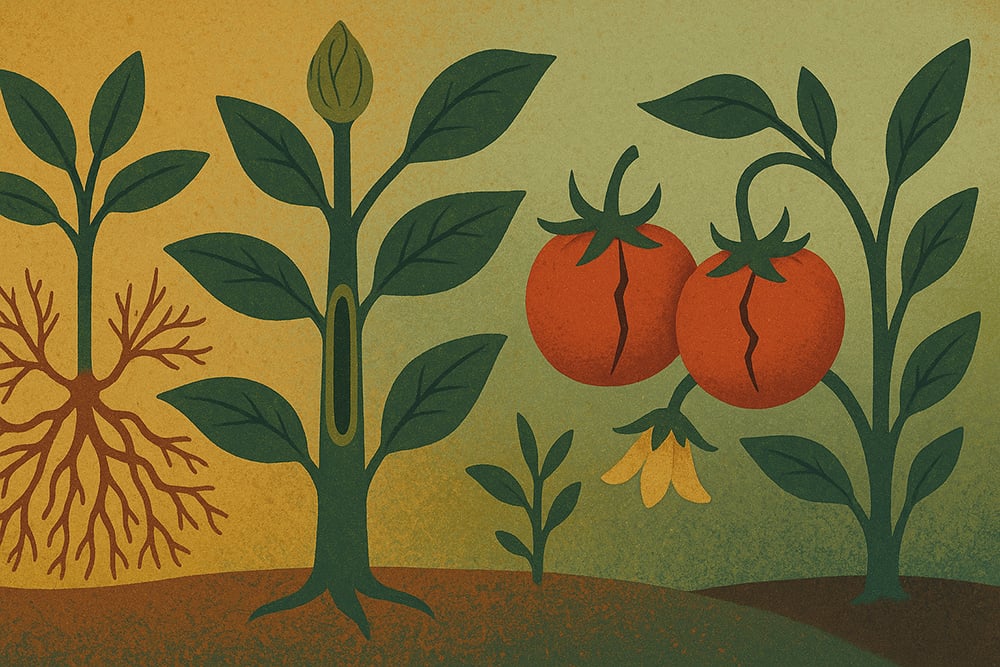
Boron has a narrow range between deficiency and toxicity. Use precise application rates based on soil testing and crop requirements, avoiding foliar applications on sensitive crops.
Manganese deficiency creates interveinal chlorosis with distinct green leaf edges and veins. Symptoms appear first on younger leaves, distinguishing it from magnesium deficiency. Manganese activates enzymes involved in photosynthesis, nitrogen metabolism, and antioxidant systems. Deficiency reduces stress tolerance and photosynthetic efficiency.
Manganese availability increases in acidic soils and decreases with high pH or excessive iron levels. Monitor soil conditions and adjust management accordingly.
Copper deficiency causes wilting despite adequate moisture, necrotic leaf tips, and poor lignin formation leading to weak stems. Grain crops show delayed maturity and poor seed set. Copper is essential for lignin synthesis, enzyme activation, and electron transport. Deficiency compromises plant structural integrity and metabolic function.
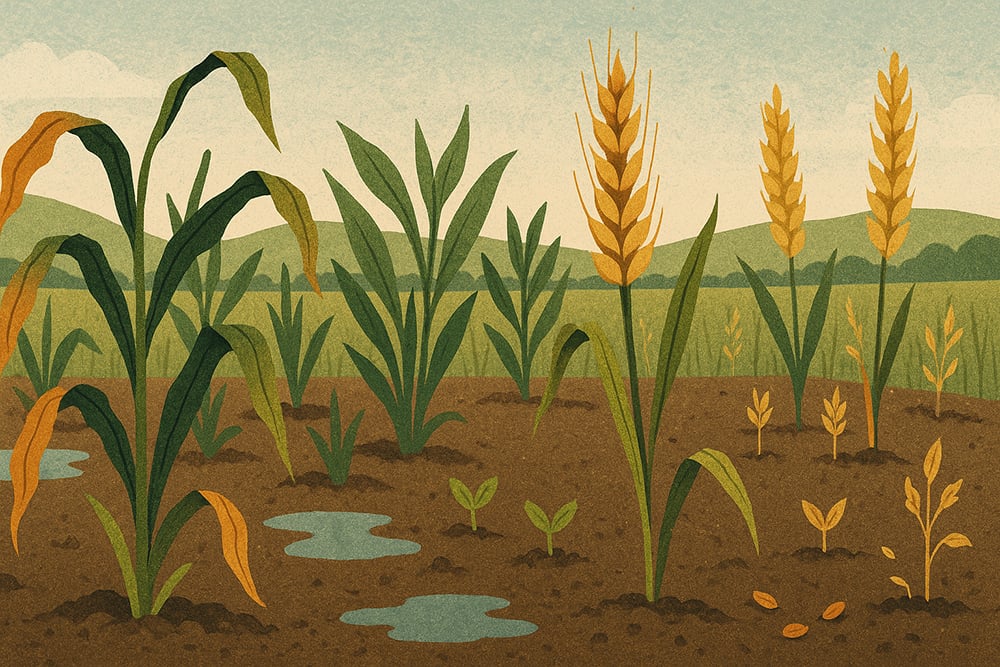
Copper requirements are very low, making precision application critical. Use chelated forms for better availability and monitor application rates to prevent toxicity.
Molybdenum deficiency resembles nitrogen deficiency with general chlorosis and stunted growth. Legumes show particularly severe symptoms due to impaired nitrogen fixation. Molybdenum is essential for nitrogen metabolism and nitrate reduction. Deficiency prevents plants from utilizing nitrate nitrogen effectively.
Molybdenum is needed in extremely small quantities. Soil applications or seed treatments are typically more effective than foliar applications.
Successful nutrient deficiency prevention requires comprehensive environmental monitoring and control. Modern precision agriculture systems integrate multiple sensors to maintain optimal growing conditions.
pH control forms the foundation of nutrient availability management. pH is important in hydroponics because plants grown in hydroponic systems require different pH levels than plants grown in soil, making species-specific pH management essential.
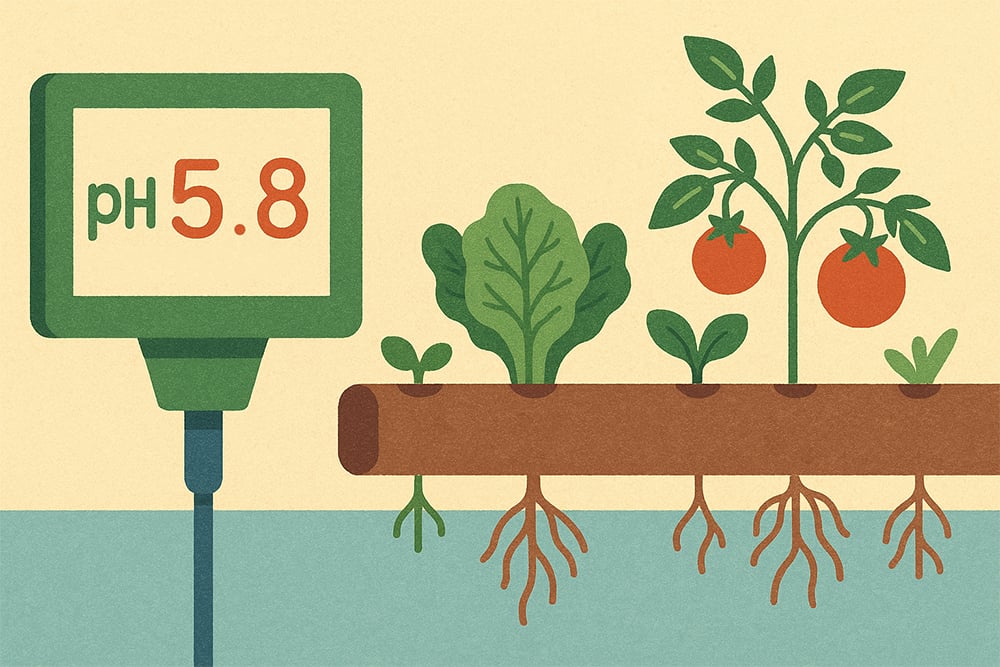
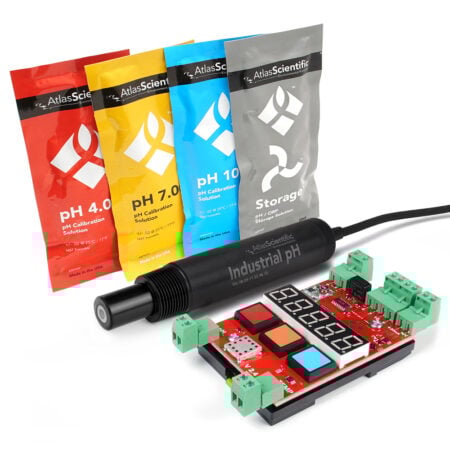
Use precision instruments like the Atlas Scientific EZO-pH Kit for accurate, reliable measurements. These systems provide 0.001 pH resolution with automatic temperature compensation, ensuring accurate readings across varying environmental conditions.
Learn more about pH optimization: A Guide To Adjusting pH In Hydroponics
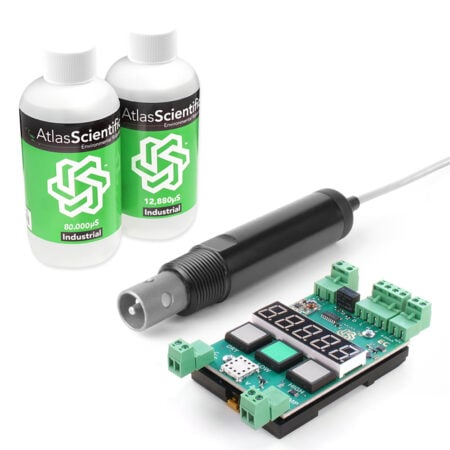
The EZO-EC Circuit reads conductivity, salinity, and TDS (PPM) with the same accuracy found in costly bench-top conductivity meters, providing professional-grade monitoring for nutrient solution management.
Professional growers use the EZO-EC Circuit’s comprehensive measurement capabilities to monitor conductivity (μS/cm), total dissolved solids (ppm), salinity (PSU), and specific gravity for complete solution analysis.
Understanding EC fundamentals: What Is EC In Hydroponics?
Temperature plays a key role in pH measurements. When temperature levels increase, the pH level drops, affecting nutrient availability calculations. Professional monitoring systems must account for these interactions.
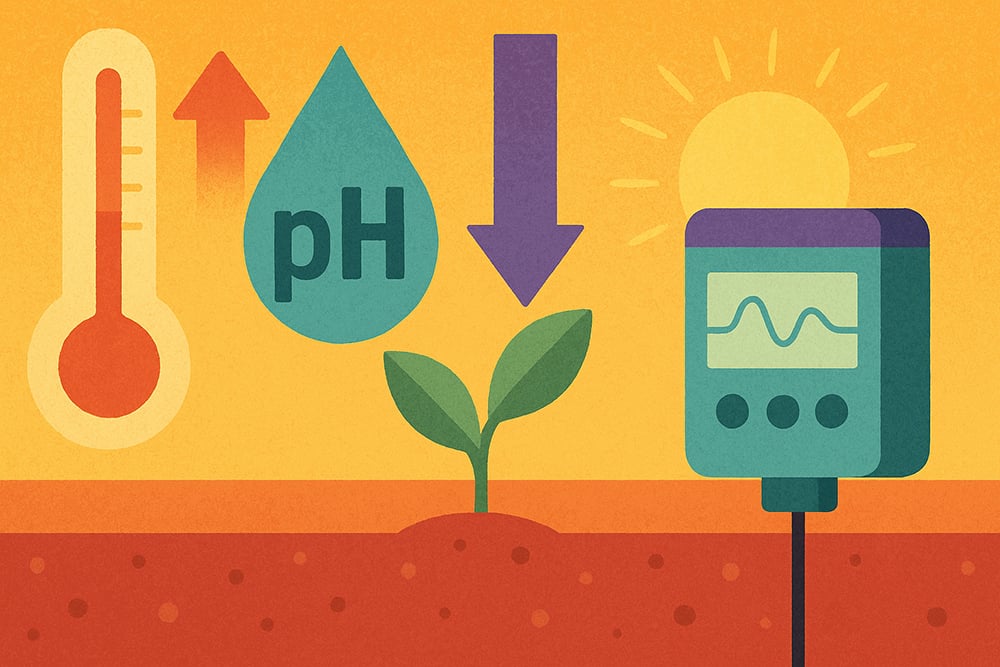
Modern nutrient deficiency prevention relies on continuous monitoring systems that provide real-time data on critical parameters. Atlas Scientific’s laboratory-grade sensors enable professional growers to maintain optimal conditions while detecting problems before they impact yields.
Atlas Scientific’s EZO-pH circuit gives engineers the ability to read pH with the same accuracy and capabilities that were traditionally only found in expensive bench-top meters. This precision enables the detection of subtle pH changes that can trigger nutrient deficiencies.
The Atlas Scientific EZO-EC Circuit reads conductivity, salinity, and TDS (PPM), which are fundamental measurements of water chemistry. Comprehensive nutrient solution monitoring prevents both deficiency and toxicity issues.
For comprehensive system integration, the EZO-Complete pH Kit and conductivity systems provide plug-and-play solutions for professional growing operations.
Modern hydroponic systems achieve optimal performance through complex real-time monitoring that connects sensors to comprehensive data logging systems for continuous parameter tracking. This integrated approach enables growers to identify subtle trends and correlations that predict deficiency development long before visible symptoms appear.
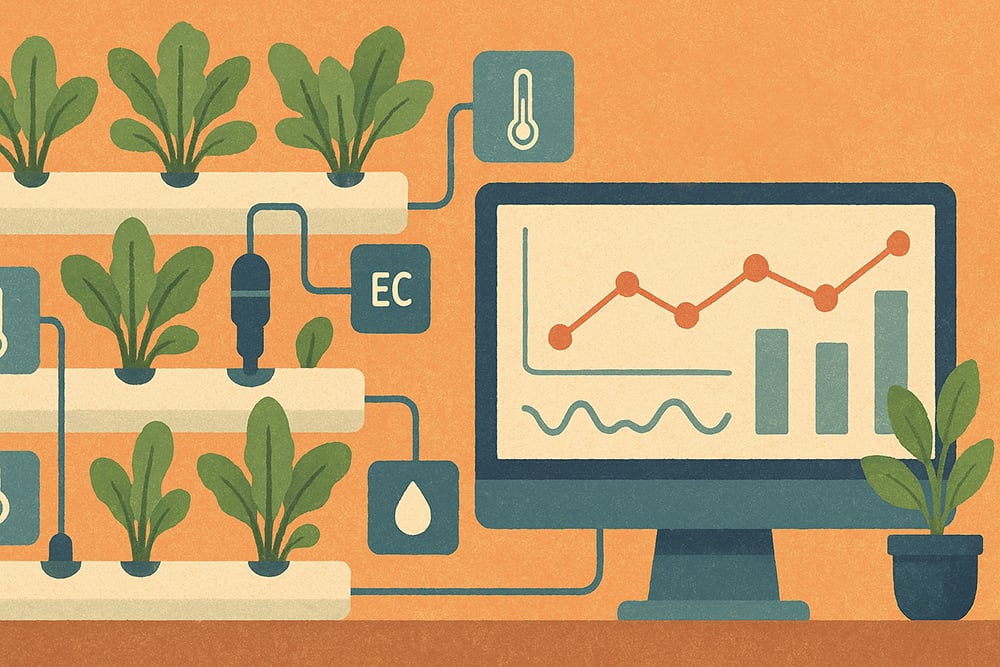
Automated alert systems provide threshold-based notifications for critical pH, EC, and temperature parameters, creating early warning capabilities that enable proactive intervention strategies.
Historical analysis becomes particularly valuable when growers maintain detailed records of environmental conditions, nutrient applications, and corresponding plant responses, using this accumulated data to continuously optimize protocols and predict seasonal patterns with increasing accuracy.
Successful nutrient management begins with establishing baseline assessments that determine optimal parameter ranges specific to individual crops, growing conditions, and system configurations. Professional growers document seasonal variations carefully and adjust their protocols accordingly, creating a foundation for consistent performance.

Effective monitoring schedules incorporate regular tracking routines that follow key parameters throughout entire growing cycles, typically involving daily measurements during critical growth phases and transitioning to weekly monitoring during more stable periods.
The most complex operations develop comprehensive intervention protocols that function as decision trees, guiding intervention timing and methods based on concrete monitoring data rather than waiting for visual symptoms to appear.
Advanced fertigation systems integrate nutrient delivery directly with irrigation infrastructure, enabling precise control over application timing and rates while using continuous EC and pH monitoring to automatically adjust concentrations as conditions change. Foliar application programs provide rapid deficiency correction capabilities when developed strategically, with timing optimized for peak uptake conditions and enhanced through appropriate surfactants for maximum effectiveness.
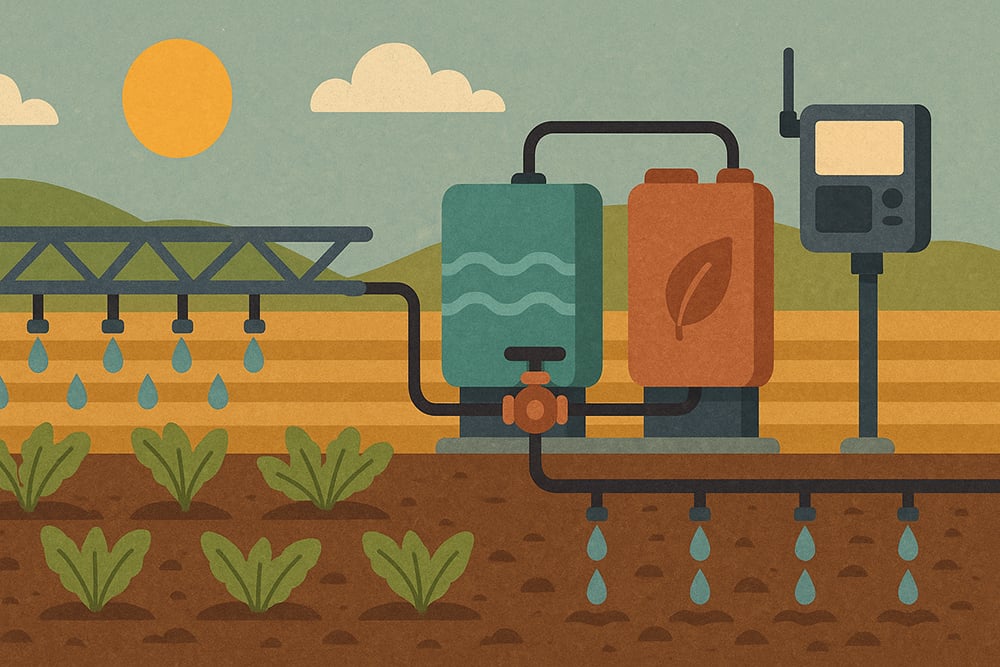
The most efficient systems employ targeted delivery approaches that utilize zone-specific application technologies, delivering nutrients based on localized monitoring data rather than relying on uniform field applications that may waste resources or miss specific problem areas.
Understanding the true economic impact of nutrient deficiencies provides compelling justification for investing in precision monitoring and management systems, as professional growers who analyze costs and benefits consistently optimize their nutrient management programs for superior returns.
Nutrient deficiencies typically impose significant direct yield losses ranging from 10-40% depending on severity and timing, with early-season deficiencies creating far greater economic impact than those occurring near harvest. Quality degradation represents another substantial cost factor, as deficiency symptoms reduce crop marketability and storage life precisely when premium crops command their highest prices, making quality maintenance economically critical.

Emergency deficiency treatments consistently cost 3-5 times more than preventive management approaches, meaning professional monitoring systems often pay for themselves entirely through reduced crisis interventions.
Professional pH and EC monitoring systems represent strategic one-time investments that provide years of reliable service, with payback calculations based on prevented losses and consistently improved yields typically showing favorable returns within the first growing season.
Automated monitoring delivers additional value through reduced labor requirements, eliminating much of the manual testing and guesswork-based management decisions that consume valuable time and resources.
Perhaps most importantly, consistent monitoring significantly reduces overall crop loss risk while enabling more aggressive yield optimization strategies that would be too risky without comprehensive data support.
Successful plant nutrient deficiency management represents the intersection of plant science, environmental control, and precision technology. Professional growers who master these integrated approaches achieve superior yields, consistent quality, and optimized production costs.

Investment in precision nutrient management technology pays dividends through increased yields, improved crop quality, and reduced production risks. As growing operations become more complex, the tools and techniques for managing plant nutrition will continue advancing, but the fundamental principles of plant physiology and environmental optimization will remain the foundation of successful programs.
If you would like to learn more about nutrient deficiencies or what line of pH probes, conductivity sensors, and monitoring solutions we provide, contact the world-class team at Atlas Scientific today.
For comprehensive technical support and advanced nutrient management guidance, explore these Atlas Scientific resources:
Technical Guides:
Professional Equipment:
System Integration:

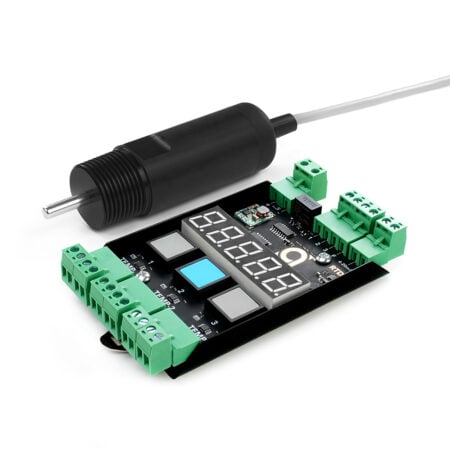

Maintaining healthy oxygen levels is one of the most important aspects of aquarium care. Fish, shrimp, plants, corals, and beneficial bacteria all depend on proper

Maintaining stable salinity is critical in saltwater aquaculture. Even small conductivity fluctuations can stress fish, shrimp, or shellfish and lead to disease outbreaks or reduced