

Blog
The 5 Best Aquaponics Systems
The best aquaponics systems balance reliability, efficiency, and crop versatility. Media beds suit beginners, rafts maximize leafy-green production, NFT and vertical systems save space, while






SCADA water treatment systems have evolved significantly over the decades, transforming from basic manual monitoring to sophisticated digital networks that provide real-time analysis and automation. We’ve witnessed this technology revolutionize how water utilities operate, creating more efficient and responsive treatment processes while reducing operational costs that were previously inflated by labor-intensive monitoring methods.
The integration of SCADA water systems allows operators to detect critical issues like leaks and chemical imbalances early, thus minimizing downtime and maintenance expenses. Additionally, these systems enable remote monitoring and control, so we can manage water treatment SCADA operations from virtually anywhere, enhancing operational flexibility.
With various sensors monitoring contaminant levels before and after treatment, SCADA water treatment plants ensure water safety while providing the data needed for quick, informed decisions.
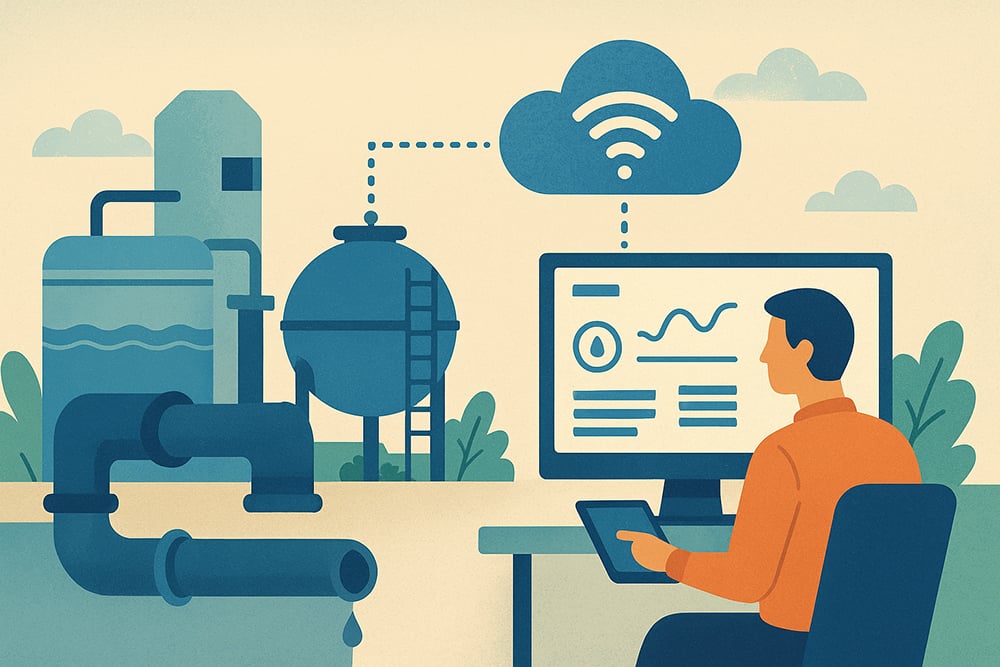
In this guide, we’ll explore how SCADA technology has become essential for modern water management, examining its core components, automation capabilities, and the substantial operational benefits it offers water utilities. From basic controls to advanced automation, we’ll show you why SCADA implementation is no longer optional but necessary for efficient water treatment operations.
SCADA, which stands for Supervisory Control and Data Acquisition, forms the backbone of modern water treatment operations. This integrated system combines hardware and software components to monitor, control, and optimize water treatment processes with unprecedented precision.
At its core, SCADA gathers real-time data from various sensors throughout water treatment facilities, processes this information, and presents it in an actionable format for operators. Unlike older monitoring approaches, SCADA systems enable plant operators to make critical decisions based on accurate, up-to-date information rather than periodic manual readings.
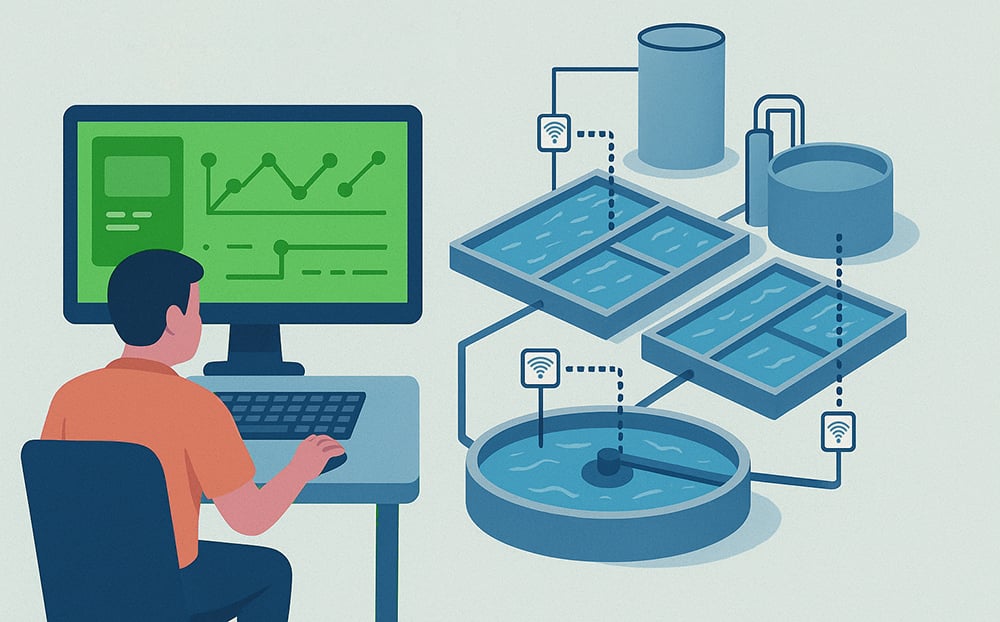
The architecture of a water treatment SCADA system typically includes several key elements working together. Remote Terminal Units (RTUs) and Programmable Logic Controllers (PLCs) serve as the system’s nervous system, collecting data from sensors measuring flow rates, pressure, chemical levels, and water quality parameters. This data travels to a central control system where Human-Machine Interface (HMI) software transforms raw numbers into visualizations that operators can quickly interpret.
When properly implemented, SCADA water systems perform four essential functions: gathering real-time data, controlling industrial processes locally or remotely, recording events via log files, and interacting with facility devices including valves, sensors, motors, and pumps. This comprehensive oversight enables operators to identify potential issues like chemical imbalances, leaks, and overflows before they escalate into major problems.
Before SCADA implementation, water utilities relied heavily on manual monitoring and control. Operators physically traveled to check equipment, collect readings, and make adjustments. This was a time-consuming and labor-intensive process. Furthermore, this approach provided only periodic snapshots of system performance rather than continuous monitoring.
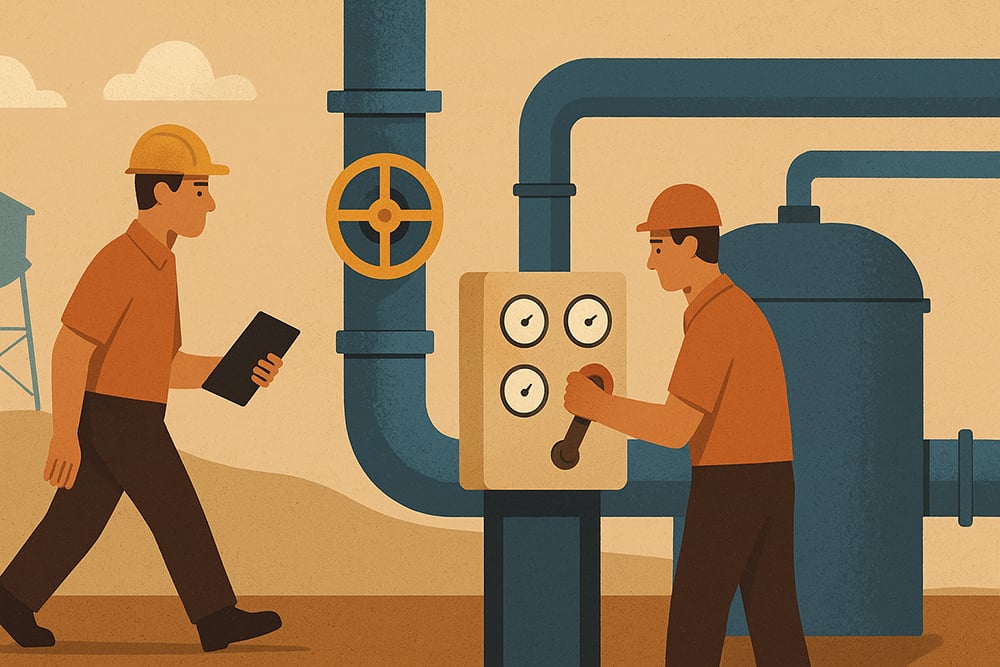
In contrast, SCADA-based monitoring delivers several fundamental advantages. First, digital monitoring provides considerably more precise and current data compared to manual readings. Flow meters installed throughout facilities send information to terminal units, which then transmit to plant operators, enabling rapid response to developing situations.
SCADA water treatment plants also offer extensive automation capabilities. These features allow operators to avoid handling repetitive tasks, consequently focusing their expertise on more complex challenges. Automated systems prove more energy-efficient than manual alternatives as well.
Perhaps most importantly, SCADA enables remote monitoring and control. Rather than requiring constant physical presence, operators can access system information and make adjustments from virtually anywhere using secure connections. This accessibility has proven particularly valuable for facilities with equipment spread across large geographical areas or underground infrastructure.
Modern SCADA systems in water treatment have evolved substantially since early implementations. Open-source SCADA systems became standard in the early 2000s, and today’s platforms typically offer cloud connectivity, allowing access via tablets and mobile devices from remote locations.
The hardware architecture of SCADA water systems consists of several interconnected elements that work in harmony to ensure efficient water treatment operations. These components form the foundation upon which modern water utilities build their monitoring and control capabilities.
Remote Terminal Units (RTUs) and Programmable Logic Controllers (PLCs) serve as the primary intelligence centers in SCADA water treatment systems. These microcomputers connect to field instrumentation, gathering critical data and executing control commands. RTUs excel in harsh, remote environments due to their robust design and compatibility with multiple communication protocols such as SNMP, DNP3, and Modbus.
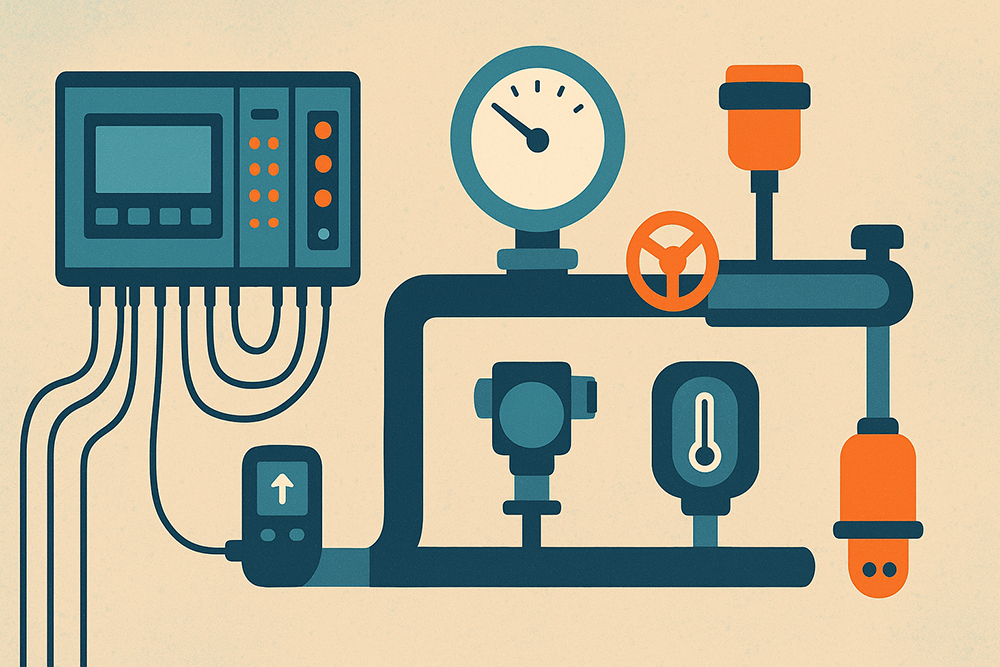
They look at environmental monitoring, power management, and alarm reporting, using specialized integrated sensors and control relays.
In contrast, PLCs focus on real-time process automation, managing complex control tasks like machinery operation within local area networks. For example, in a water treatment facility, one remote terminal units might serve as the main controller in the data center, while multiple RTU’s communicate with an advanced PLC to automate water intake basin feeders. This combination provides both remote monitoring capabilities and precise local control.
Human-Machine Interface (HMI) software transforms raw data into comprehensible visualizations that operators can quickly interpret and act upon. Modern HMI platforms display critical parameters including pressures, tank levels, flow rates, power usage, and temperature readings in real-time. Through these interfaces, operators can start and stop processes, monitor multiple data points simultaneously, and check the status of the entire plant floor at any moment.
The design of these interfaces typically mirrors Process/Piping and Instrumentation Diagrams (P&IDs), presenting numerical information with appropriate units of measurement such as GPM or psi. Additionally, HMI screens enable manual manipulation of devices through on-screen buttons for opening valves or controlling motors.
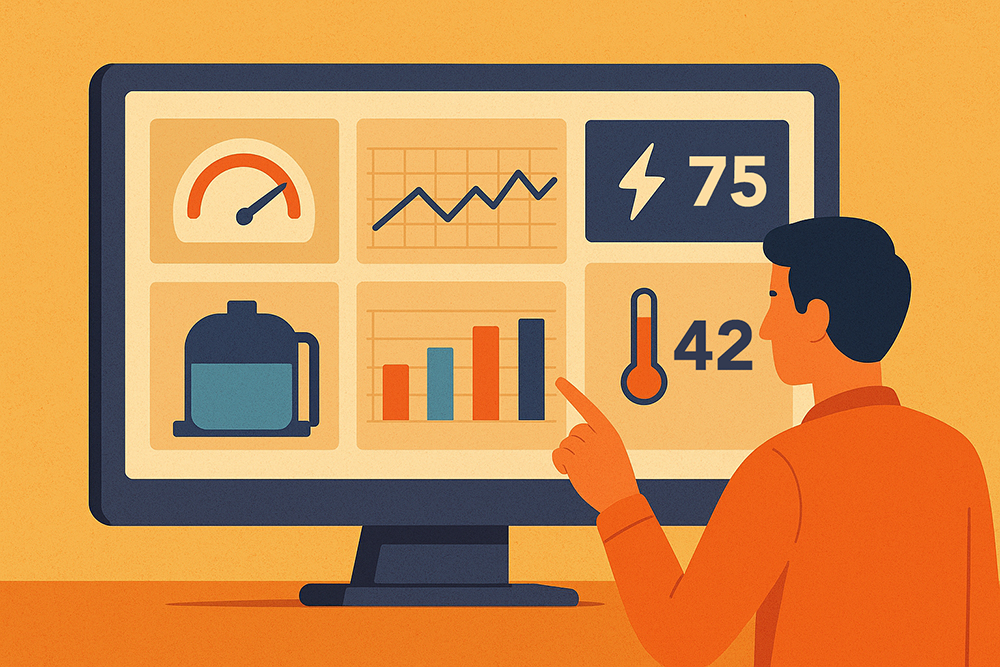
Smart sensors constitute the foundation of effective SCADA water systems, positioned strategically throughout treatment facilities.
Each piece of equipment that water flows through can be equipped with sensors measuring various parameters:
Essentially, these sensors collect and record main operating parameters, providing the foundation for flow monitoring, pressure regulation, and leak detection. In oil and gas facilities, sensors with rapid response times can prevent equipment strain by detecting pressure changes instantly, minimizing downtime and maintenance costs.
Modern water treatment operations have shifted toward automation and remote capabilities, empowering utilities to manage complex processes with minimal physical presence. These advances represent a significant evolution in how water treatment facilities operate daily.
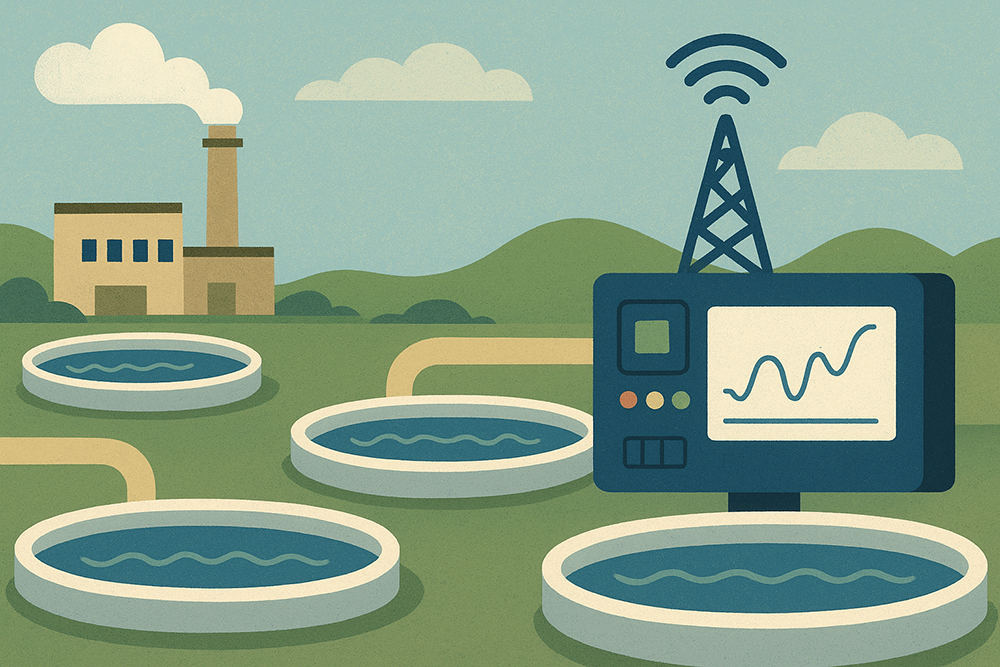
Cloud-based SCADA systems have revolutionized water treatment management by enabling operators to monitor and control facilities from anywhere. Unlike traditional self-hosted solutions that rely on a single internet service provider, cloud computing platforms offer multiple redundant internet connections, thereby enhancing reliability in a cost-efficient manner. This redundancy proves especially valuable during service provider outages or natural disasters.
Notable benefits include improved system reliability through advanced data centers at diverse geographical locations. These centers ensure continuous service even during power outages at one site. According to implementation reports, cloud-based SCADA can reduce support costs by approximately $10,000 compared to traditional systems like.
Data transmission has improved dramatically, with some systems transitioning from multi-minute cycles to sub-second latency. Furthermore, operators report significant reductions in travel time as programming can be performed through secure remote connections.
Effective alarm notification systems allow operators to receive alerts through multiple channels including email, voice calls, or text messages. These systems support customization through different notification pipelines for active, clear, and acknowledged alarm states.
Advanced notification features include consolidation (combining multiple alarms into digested messages), delay functions, selection capabilities (distributing different alarms to different groups), and escalation protocols for high-priority situations. Users can organize contacts by roles into call rosters, ensuring that only those currently on shift receive notifications.
Automation capabilities minimize repetitive tasks at water treatment facilities, allowing skilled operators to focus on complex challenges. The integration of PLCs and SCADA creates an intelligent framework where PLCs handle local control logic execution while SCADA provides visualization, reporting, and remote intervention.
This integration ensures seamless communication through industrial protocols like Modbus and Profibus, enhances reliability through automated fault detection, and optimizes performance through data-driven decision-making. Automated systems efficiently identify equipment failures before they occur, substantially reducing downtime and extending equipment lifespan.
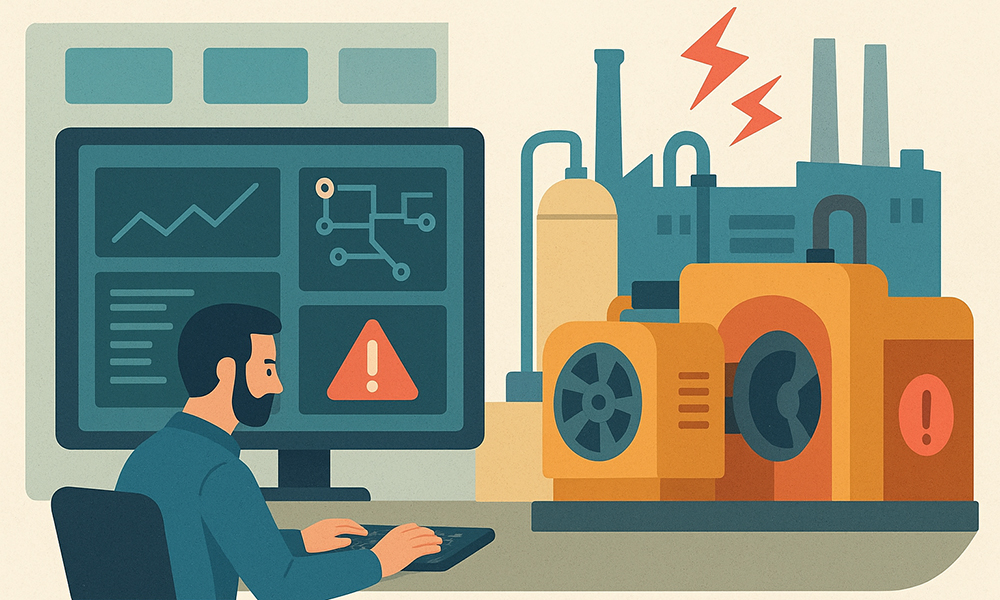
Indeed, automated filter house operations can transition toward self-optimizing systems through data analytics and machine learning, ultimately improving both efficiency and sustainability.
Water utilities implementing SCADA technology realize measurable advantages that directly impact their bottom line, operational reliability, and regulatory standing. These benefits extend far beyond basic monitoring capabilities, transforming how facilities operate daily.
SCADA systems excel at identifying potential problems before they escalate into costly failures. Through continuous monitoring of critical parameters, operators can detect subtle changes in equipment performance that often precede major breakdowns.
Studies indicate that facilities using SCADA experience a 40% increase in operational efficiency, largely attributable to this proactive approach. Remarkably, SCADA implementation can reduce response times to crises massively, minimizing service interruptions and protecting infrastructure.
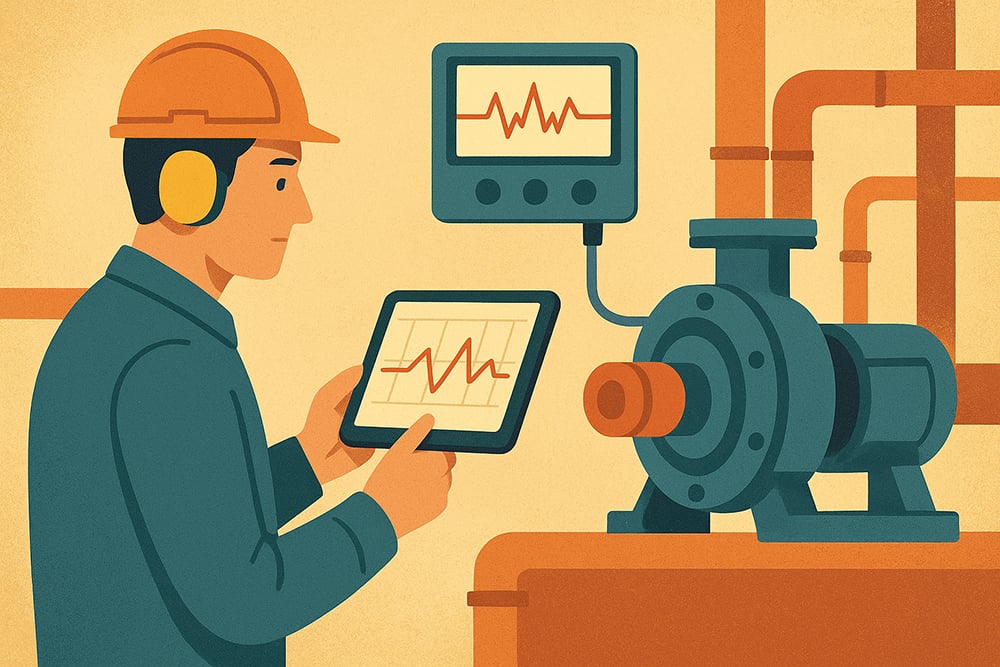
The predictive maintenance capabilities of modern SCADA systems analyze equipment performance data to forecast potential failures, enabling maintenance based on actual conditions rather than arbitrary schedules. For example, by monitoring pump vibration levels, operators can identify early signs of bearing wear or misalignment, scheduling repairs before catastrophic failure occurs.
Energy consumption represents a substantial operational expense for water utilities, with aeration processes alone accounting for 30-70% of total energy demand in wastewater treatment. SCADA systems address this challenge by optimizing resource usage. After implementation, utilities have reported energy cost decreases of approximately 22%, highlighting the system’s role in promoting cost-effective operations.
Chemical dosing likewise benefits from SCADA automation. Rather than over-dosing for safety, advanced sensors and algorithms adjust chemical application based on real-time water quality measurements. One food processing plant reported a 25% reduction in chemical use after implementing automated dosing controls.
SCADA systems ultimately contribute to significant long-term cost savings. Beyond energy and chemical reductions, automated reporting features free staff from tedious data collection tasks, allowing focus on higher-value activities. Remote access capabilities further reduce operational costs by decreasing physical site visits, some facilities report cutting staff visits by half.

Compliance with regulatory requirements becomes more straightforward with SCADA’s continuous monitoring capabilities. The system ensures water quality parameters consistently remain within safe standards, while automated reporting simplifies regulatory documentation. Furthermore, alarm rationalization helps operators focus on truly critical issues, ensuring important compliance-related alerts aren’t lost among numerous non-critical notifications.
The integration of RTUs, PLCs, and smart sensors creates a comprehensive monitoring environment that detects potential issues before they escalate into major problems. As mentioned, utilities experience increased operational efficiency and much faster response times during critical situations. This early detection capability stands as one of the most valuable aspects of modern SCADA implementation.
Additionally, the shift toward cloud-based systems provides unprecedented accessibility and reliability. Remote monitoring capabilities allow operators to manage facilities from virtually anywhere, while automated processes handle routine tasks with precision. Therefore, staff members can focus their expertise on complex challenges rather than repetitive monitoring duties.
Financial benefits likewise prove substantial. Utilities implementing SCADA technology report reductions in energy costs alongside decreases in chemical usage through optimized dosing algorithms. These savings, coupled with reduced maintenance expenses and extended equipment lifespans, make SCADA implementation not merely advantageous but essential for modern water utilities aiming to remain competitive.
Perhaps most importantly, SCADA systems support regulatory compliance through continuous parameter monitoring and automated reporting features. This capacity ensures water quality consistently meets required standards while simplifying documentation processes that previously consumed significant staff time.
The future of water treatment unquestionably belongs to intelligent, interconnected SCADA systems.
As technologies advance further, we expect to see even greater integration with predictive analytics, machine learning, and self-optimizing processes. Water utilities that embrace these developments will certainly gain competitive advantages through enhanced efficiency, reliability, and sustainability.
Above all, SCADA implementation represents not just technological advancement but a fundamental shift in water treatment philosophy, moving from reactive to proactive management. This transformation enables utilities to anticipate challenges rather than merely responding to them, ultimately delivering safer, more reliable water services to communities worldwide.
SCADA systems have undeniably transformed water treatment operations through significant technological advancement. Throughout this guide, we’ve demonstrated how these systems evolved from basic monitoring tools to sophisticated automation networks that fundamentally change utility operations.
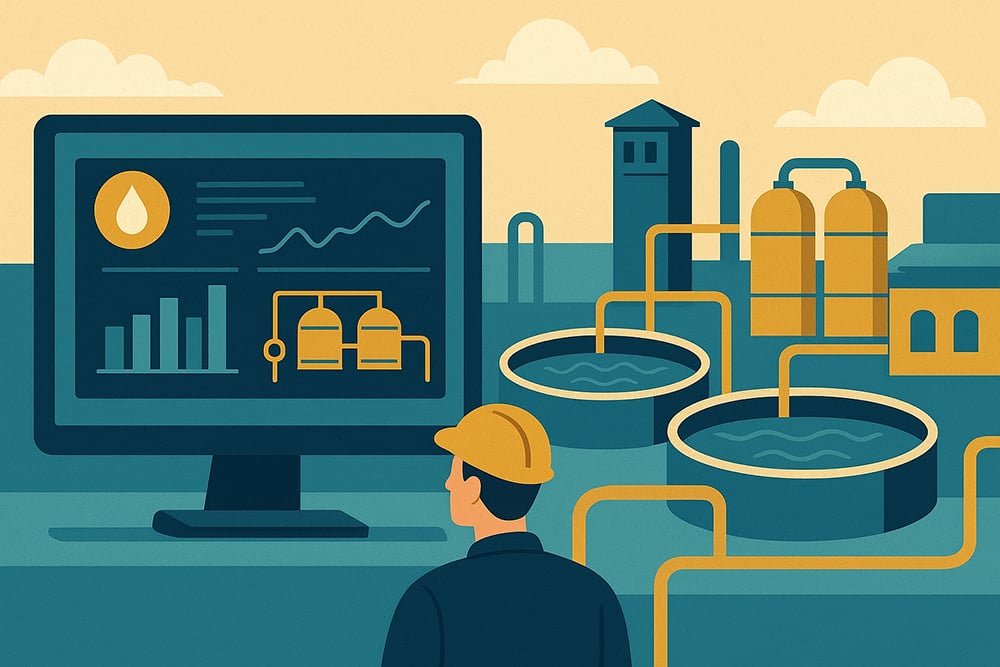
Water treatment facilities now benefit from real-time data acquisition and analysis capabilities that previously seemed unattainable. If you would like to learn more about SCADA or what sensors we recommend for water treatment monitoring, reach out to the world-class team at Atlas Scientific.

The best aquaponics systems balance reliability, efficiency, and crop versatility. Media beds suit beginners, rafts maximize leafy-green production, NFT and vertical systems save space, while

Maintaining the correct pH inside a bioreactor is essential for successful fermentation, cell culture, and bioprocess optimization. Even small pH fluctuations can dramatically affect enzyme