

Blog
Best pH Sensor for Bioreactors
Maintaining the correct pH inside a bioreactor is essential for successful fermentation, cell culture, and bioprocess optimization. Even small pH fluctuations can dramatically affect enzyme





The Nutrient Film Technique (NFT) is a hydroponic growing method that circulates a thin, nutrient-rich film of water over plant roots, providing constant access to oxygen and nutrients. This efficient, soil-free system reduces water use by up to 90% while promoting faster growth and healthier plants compared to traditional farming.
The Nutrient Film Technique, or NFT, represents one of hydroponics’ most beneficial solutions to sustainable agriculture systems. Developed in the 1960s by Dr. Cooper, this innovative growing method has changed commercial and home cultivation by drastically reducing water consumption while maintaining (or sometimes exceeding) conventional farming crop yields.
Unlike traditional soil-based agriculture that heavily relies on millions of gallons of water per year, NFT hydroponic systems achieve efficiency via a simple principle. It involves circulating a thin, nutrient-rich film of solution continuously over the plant’s roots.
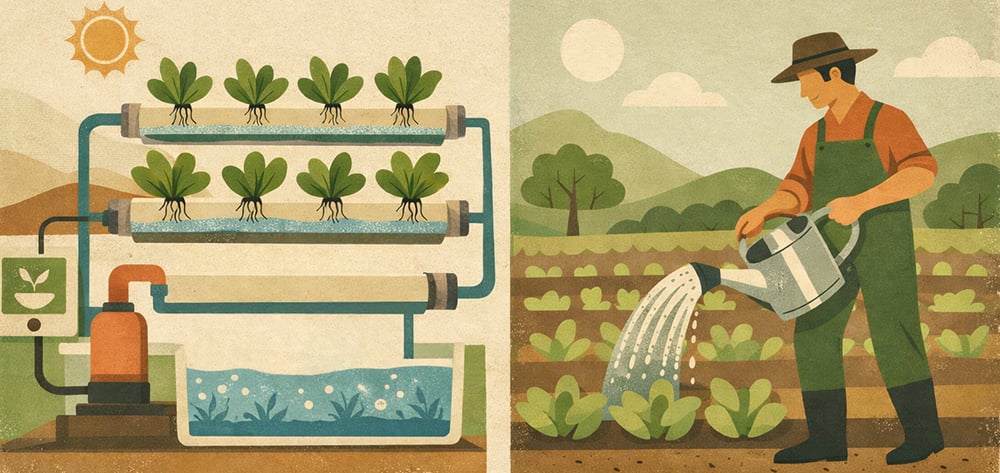
As global water scarcity becomes increasingly crucial and the demand for food production intensifies, adopting and understanding NFT technology is key for both commercial growers and hobbyists looking for sustainable cultivation methods.
The NFT is a type of hydroponics that uses continuous circulation of a shallow stream of nutrient solution through sloped channels containing plant roots. Unlike soil cultivation or passive systems, NFT systems require active components such as pumps and continuous monitoring to properly function.
At the heart of the system, NFT operates on an efficient principle. The plants receive everything they need (like nutrients, water, and oxygen) without a traditional growing medium. The “nutrient film” itself is only 2-3mm thick, and constantly flows over the lower region of the plant roots, providing immediate access to dissolved nutrients while leaving the upper root zone exposed to air to absorb oxygen as normal.
This dual access to nutrients and oxygen creates a perfect root environment, and as the plant roots remain partially suspended in the flowing solution while receiving adequate oxygen, it prevents anaerobic conditions, which usually lead to pathogenic growth and root rot. This balance is why NFT systems in hydroponics produce healthier plants compared to other hydroponic systems.
It is important to understand the core components of an NFT system, as each element plays a key role in the system’s efficiency and reliability.
The foundation of any NFT system includes shallow, sloped channels, usually made from food-grade PVC, fiberglass, or specialized commercial NFT troughs/trays. These channels are purposely shallow (1-3 inches deep) to maximize water efficiency while providing enough depth for roots to develop. The downward slope typically has a ratio of 1:30 to 1:10 to enable gravitational flow. This allows the nutrient film to travel from the channel’s upper end to the lower area before returning to the reservoir.
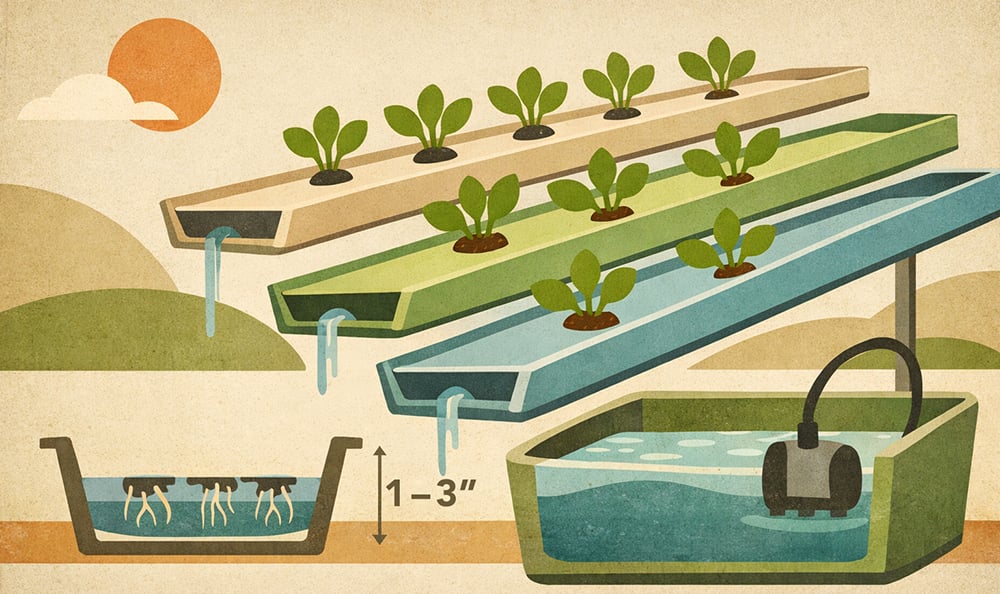
The channel length is equally important as the depth. Most experienced hydroponic growers recommend limiting channels to between 30 and 40 feet, as exceeding this length can cause nutrient distribution issues where plants at the far end receive a poor nutrient concentration. This could result in stunted growth and uneven crop maturity, which you would want to avoid to maintain high crop yields. If you have a large growing area, you can use shorter channels in series to accommodate the plant’s nutrient delivery needs.
Like other hydroponic systems, the reservoir is the system’s nutrient bank and must be sized appropriately for stable operation. The minimum reservoir volume is calculated by multiplying the total channel length by 0.5 to 1 gallon per foot. For example, a 100-foot growing channel would require a 50 to 100-gallon reservoir. The larger the reservoir, the greater the thermal stability and buffering capacity against concentration changes.
Material choice is also a vital step – food-grade material avoids chemical leaching that could contaminate your nutrient solution. Black or opaque material is important to prevent the growth of algae, which consumes nutrients intended for plants and can introduce unwanted pathogens into the system.
The pump is the “heart” of the system, continuously pumping nutrient solution from the reservoir to channels. Submersible pumps 250-400 gallons per hour are adequate flow rates for most residential and small business systems. The pump must be sized to deliver 1-2 liters per minute per channel—about 3-5 gallons per hour per channel for normal system sizes.
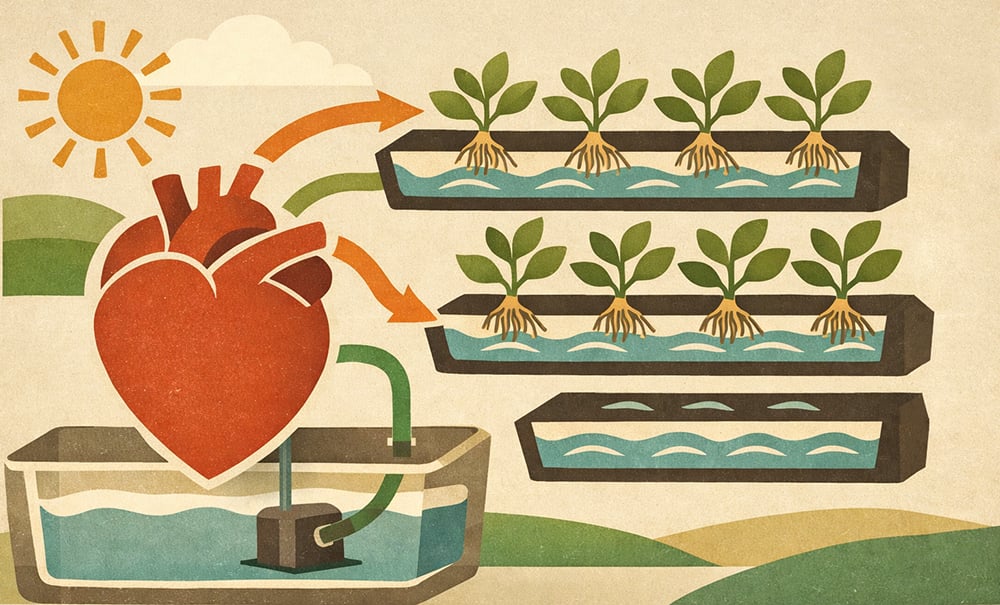
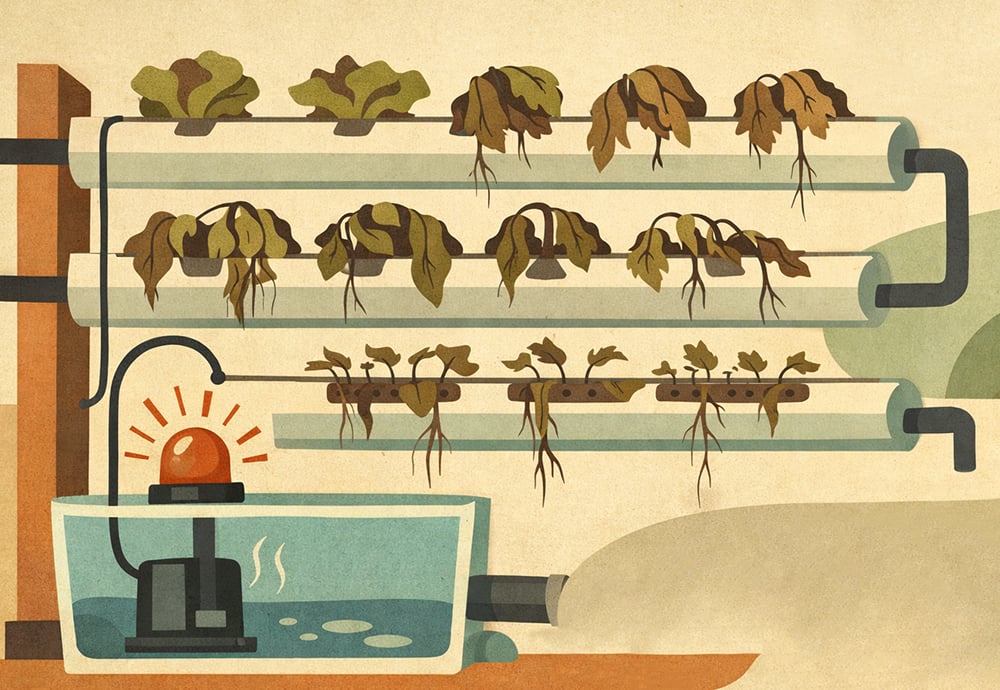
Reliability of the pump is important because NFT systems possess virtually no buffer capacity. Whereas Ebb and Flow systems retain solution in trays between flood cycles, NFT systems operate by continuous flow. A pump failure renders the system useless within hours and may lead to total loss of the crop.
Plants are held in net cups – slotted plastic containers offered in 2-inch and 3-inch diameters that permit roots to grow out into the flowing nutrient film but also provide support for plants. Growing media in NFT systems are mainly used as a seedling starter and to stabilize the plant, not for nutrition. Ideally, you want media that are pretty inert so that the media don’t adversely affect your plants, nutrient solution, or yourself.
Good examples of growing media for hydroponic systems include rockwool cubes (holds on to a lot of water and is fine for most seedlings), expanded clay pellets (drains well and can be quite lightweight), or coconut coir (a renewable resource with great water-performance properties).
The nutrient solution flows past the roots of the plants and then back to the reservoir through a return line. This completes the circulation loop. This recirculation system makes NFT possible, which saves a lot of water. Instead of being used once and then lost to drainage, the same solution is used over and over again.
NFT systems work so well because of a number of interconnected physiological principles. Plants grow and absorb nutrients best when their roots can get both nutrients and oxygen at the same time. This is called aerobic nutrition. The constant flow keeps harmful anaerobic bacteria from growing, and the thin film design means that only a small amount of water is needed for effective delivery.
Studies show that NFT systems use about 90% less water than traditional soil farming and still produce the same or better yields. This amazing efficiency comes from reducing soil evaporation and drainage losses that come with other growing methods.
The constant flow of nutrients also stops the salt buildup problems that are common in static hydroponic systems. In traditional hydroponics, nutrients that aren’t used can build up in the root zone until they become toxic. NFTs’ constant flow stops this from happening, so nutrients are always available during the growing cycle.
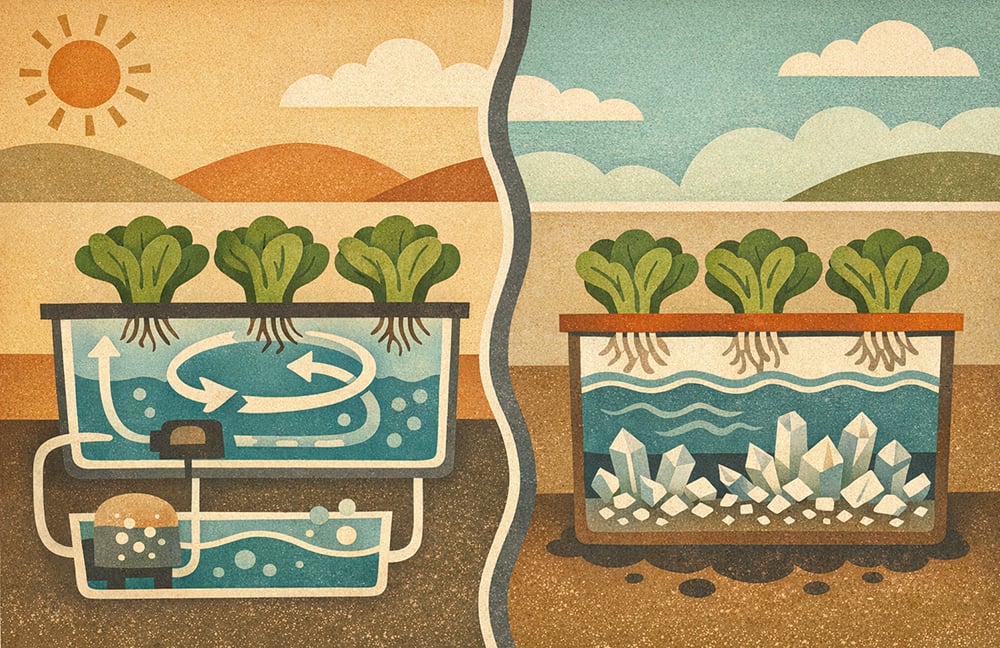
The most convincing benefit of NFT is the significant decrease in water usage. NFT is a crucial technology for water-scarce areas and environmentally conscious growers because it uses about 90% less water than soil agriculture while maintaining or surpassing yields.
By supplying atmospheric oxygen to the exposed upper root zone, anaerobic disease is avoided, and vigorous root development is encouraged. Compared to systems where roots stay completely submerged, this aerobic environment promotes quicker growth and more robust plants.
The root zone’s uniform nutrient availability is provided by the continuous nutrient film. NFT provides soluble nutrients to roots in forms that are instantly absorbed, in contrast to soil systems, where nutrient binding decreases plant availability.
NFT is perfect for high-density cultivation in constrained spaces because shallow channels allow for vertical stacking. Stacked NFT channels are frequently used in commercial vertical farms to optimize output per square foot of facility footprint.
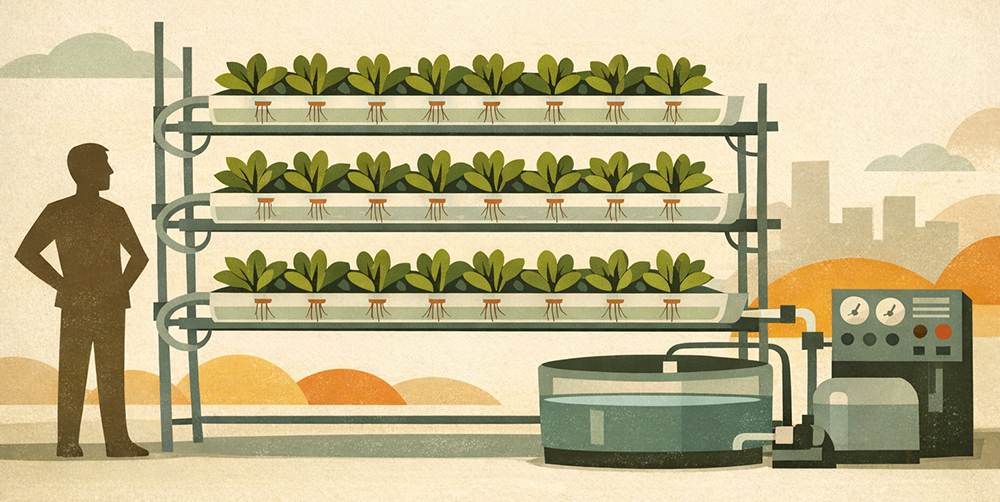
Crop management is easier with exposed roots, which makes it simple to visually inspect plants for signs of disease, pests, and general health. Unlike soil cultivation, where root issues go undetected until crop damage is severe, this accessibility allows for quick diagnosis and intervention.
From small home operations to large commercial installations, NFT systems scale effectively. Without redesigning the system, more channels can be added gradually.
NFTs’ total reliance on constant circulation is their biggest flaw. Crop loss can occur in a matter of hours due to a blocked drain, a pump failure, or even a power outage. Due to this vulnerability, commercial operations require redundant pumps and backup power systems.
NFT systems need to be installed and calibrated precisely, even though they are conceptually straightforward. Nutrient distribution issues that impair yields can be caused by improper slopes, insufficient flow rates, or channel misalignment.
NFT is most effective with plants that have shallow roots, such as leafy greens, lettuce, and herbs. Modifications to structural support are necessary for large fruiting plants like peppers and tomatoes. Due to inadequate growing medium depth, root vegetables (such as turnips and carrots) are generally not recommended.
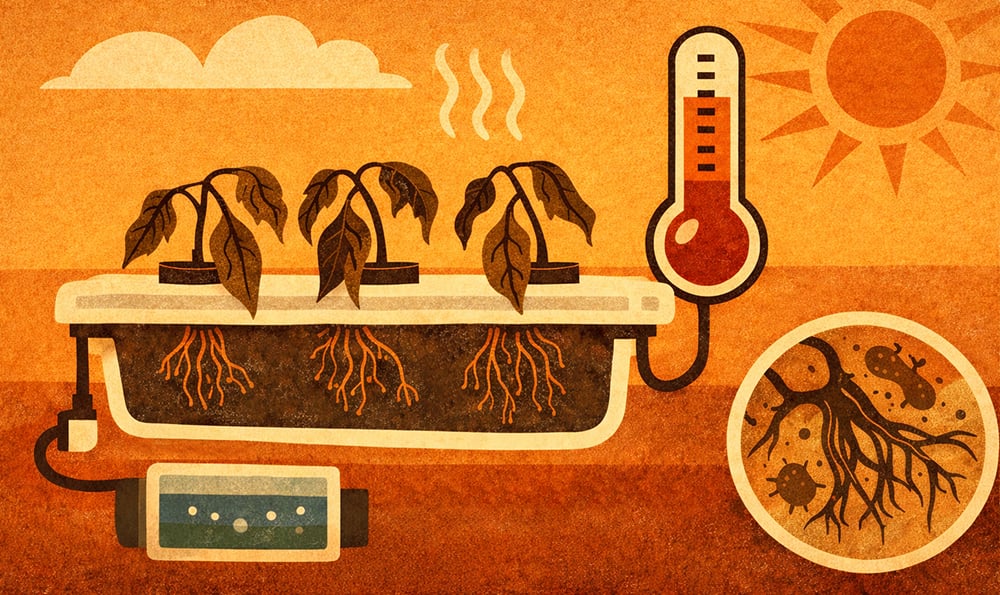
In warm conditions, recirculating solutions may overheat, decreasing oxygen availability and encouraging root disease. In warm climates, proper temperature control or cooling systems become crucial.
Long channels are impractical for consistent results because they produce uneven nutrient distribution (more than 30–40 feet).
Rapidly maturing, shallow-rooted plants are the most successful in NFT systems. In NFT settings, leafy greens routinely perform better than every other crop category. Asian greens like bok choy and tatsoi, spinach, arugula, and lettuce varieties (butterhead, romaine, and oak leaf) all thrive in NFT conditions, yielding superior quality with vivid color and crisp texture.
The second-best use of NFT is in culinary herbs. With continuous access to balanced nutrients, herbs like basil, mint, cilantro, parsley, and chives develop remarkable flavor and aroma in NFT systems, yielding more aromatic oils than soil cultivation. Herb quality is significantly higher than that of traditionally grown counterparts due to the effective nutrient delivery.
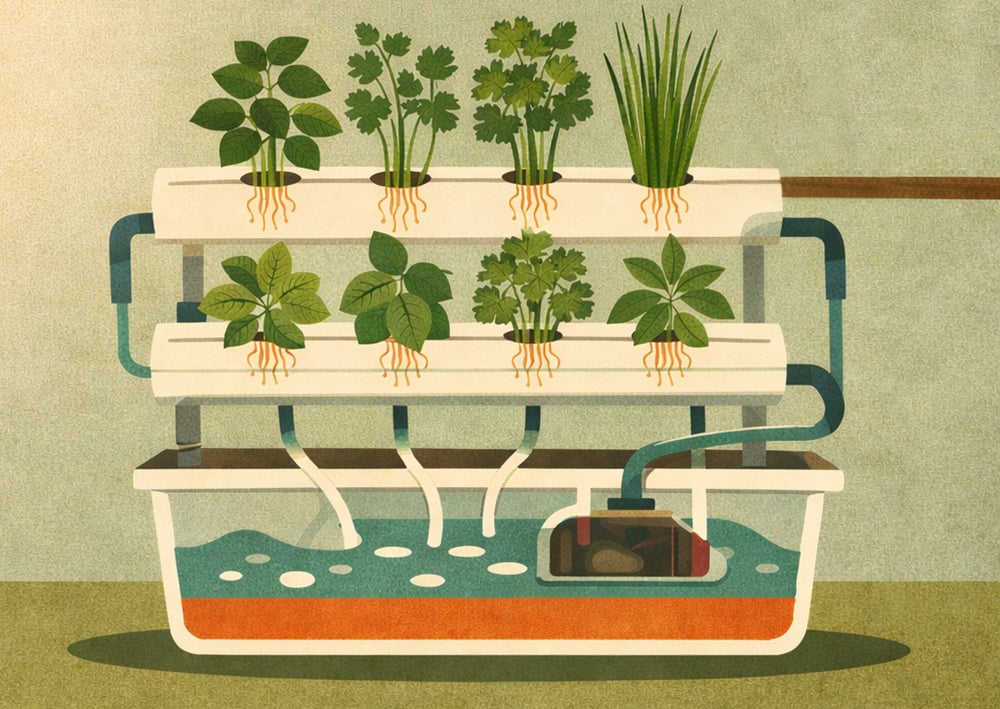
Wheatgrass and microgreens also thrive in shallow NFT channels, although these usually use specialized compact systems instead of full-scale channels.
With a few key adjustments, such as stronger structural support, bigger growing medium containers, and occasionally hybrid growing techniques that combine NFT circulation with deeper media for root anchoring, large fruiting plants can be cultivated in NFT systems. These changes, however, essentially eliminate the efficiency benefits of NFT, making other hydroponic techniques more appropriate for crops like peppers and tomatoes.
NFT systems rely solely on accurate maintenance and monitoring to function continuously. NFT necessitates careful human supervision to identify issues before they become disastrous, in contrast to systems with integrated feedback mechanisms.
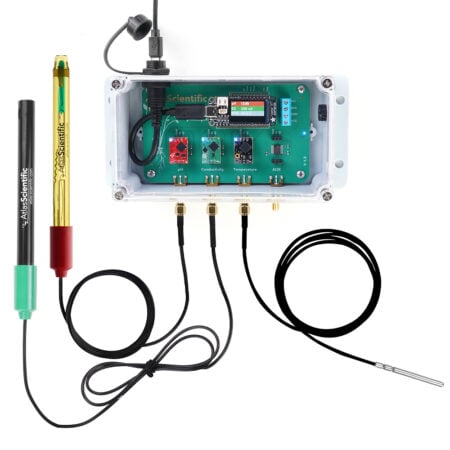
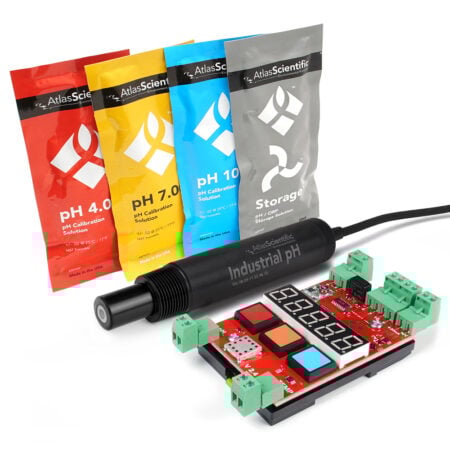
Plant health and nutrient availability depend on maintaining the right pH. The ideal pH ranges for most plants vary slightly depending on the crop, but they are generally between 5.5 and 6.5. Early drift detection is made possible by regular pH monitoring, ideally twice a week. Atlas Scientific provides the Inline pH Kit for thorough pH monitoring, which eliminates the need for manual sample collection and provides continuous, real-time pH data.
Because of this accuracy, growers can quickly correct pH when conditions change, avoiding nutrient lock-up and related deficiencies.
Electrical conductivity (EC) monitoring determines whether your solution has enough nutrients for plant growth by measuring the concentration of all dissolved nutrients. Depending on the crop and growth stage, the ideal EC falls between 1.0 and 2.0 mS/cm. Either dilution problems or nutrient depletion are indicated by EC drift (rising EC indicates concentration).
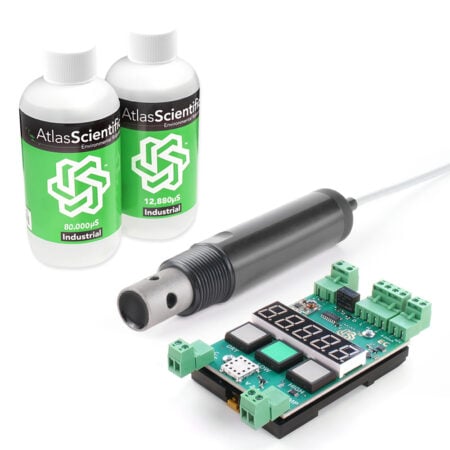
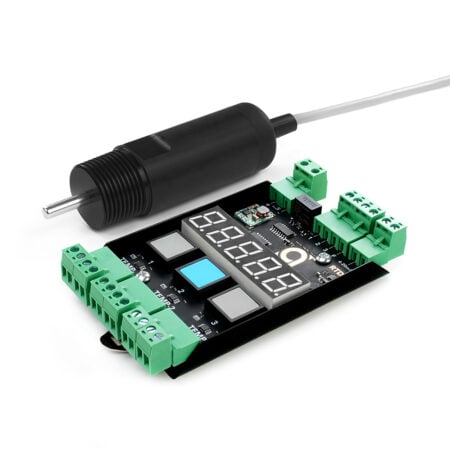
The precise management of nutrient solutions is made possible by Atlas Scientific’s EC meters, which measure conductivity accurately. For both commercial and small-scale operations, the Complete Conductivity Kit provides accurate EC measurement with the precision required for consistent outcomes.
The concentration of dissolved oxygen and the availability of nutrients are directly impacted by the temperature of the solution. Temperatures between 65 and 75°F (18 and 24°C) are ideal for most plants. Root disease is encouraged, and oxygen availability is decreased by temperatures above 75°F. Using dependable devices, such as Atlas Scientific’s temperature sensors, to monitor solution temperature allows for the early identification of cooling system issues or environmental problems that call for intervention.
Monitoring dissolved oxygen (DO) in advanced operations offers vital information about the conditions in the root zone. Strong root development is supported and anaerobic pathogen growth is inhibited by adequate dissolved oxygen, which is normally 6–8 mg/L. The ability to measure DO aids in aeration optimization and circulation problem identification.
Channels should have a gentle enough slope to permit gravity-driven flow, but not so steep that solution rushes past roots without being absorbed. The ideal balance is achieved by the industry standard of a slope of 1:30 to 1:100, which avoids pooling or uneven distribution while allowing for sufficient contact time.
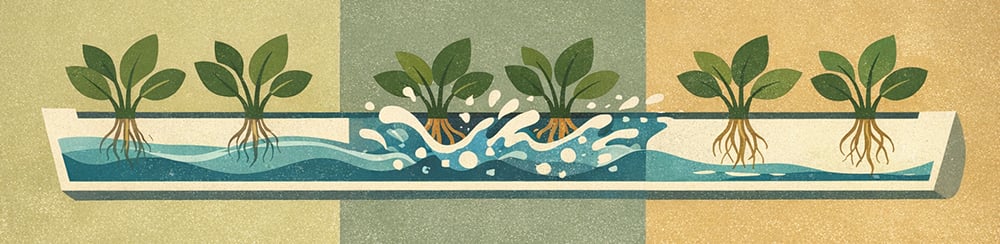
Optimal nutrient delivery is achieved with flow rates of 1-2 liters per minute per channel, which avoids excessive velocity that could hinder absorption. Beginners frequently make the mistake of operating systems too quickly, which causes turbulent flow and prevents the thin film from maintaining contact with roots, or too slowly, which deprives plants of nutrients.
Commercial growers frequently favor specialized NFT channels with optimized contours for even distribution and minimal debris accumulation, while food-grade PVC offers exceptional cost-effectiveness for do-it-yourself systems. Budget, system size, and durability requirements all influence the choice of material.
In order to survive failures, commercial operations need battery-backed power systems and backup pumps. Reliable backup power helps even hobbyists guard against unplanned outages.
Successful NFT operations are distinguished from unsuccessful ones by routine maintenance. Create a maintenance schedule that consists of:
Use approved standards to calibrate pH and EC sensors. Early detection of sensor drift is made possible by this monthly calibration, which also guarantees measurement accuracy. To preserve electrode condition and measurement accuracy, pH sensors should be kept in a storage solution between uses.
Clear the channel surfaces and optical sensors to avoid the buildup of debris and algae. Clear the channel walls of any accumulated mineral deposits that might obstruct the flow of the solution or the availability of nutrients.

Check temperature sensors against approved reference instruments and change sensor batteries. To get rid of any pathogens or leftovers from earlier crops, thoroughly sanitize the system.
Verify temperature stability, make sure all channels are flowing steadily, check system operation, and visually inspect plants for signs of stress or pest issues.
A key component of sustainable agriculture, the Nutrient Film Technique enables farmers to produce superior crops while using fewer resources and less water. It is perfect for both novice and seasoned hydroponic growers due to its straightforward yet efficient design, which promotes healthy root development and effective nutrient delivery.
If you’d like to learn more about the Nutrient Film Technique or which sensors we recommend for your hydroponic setup, don’t hesitate to reach out to the experts at Atlas Scientific.

Maintaining the correct pH inside a bioreactor is essential for successful fermentation, cell culture, and bioprocess optimization. Even small pH fluctuations can dramatically affect enzyme

Reverse osmosis water is best for hydroponics, providing near-zero EC and removing contaminants. It offers reliable results, precise nutrient control, and typically pays for itself