


Blog
The 5 Best Aquaponics Systems
The best aquaponics systems balance reliability, efficiency, and crop versatility. Media beds suit beginners, rafts maximize leafy-green production, NFT and vertical systems save space, while




Maintaining healthy oxygen levels is one of the most important aspects of aquarium care. Fish, shrimp, plants, corals, and beneficial bacteria all depend on proper dissolved oxygen (DO) levels in water to survive and thrive.
While aeration systems such as air stones, wavemakers, and filters help introduce oxygen into the water, they don’t guarantee that oxygen levels remain stable. Factors such as temperature, stocking density, organic waste, and plant respiration can all affect dissolved oxygen levels in an aquarium. Dissolved oxygen levels decrease as water temperature increases and salinity rises, making oxygen management especially important in warm or saltwater aquariums.
A dissolved oxygen meter allows you to measure the amount of oxygen dissolved in water, typically expressed in mg/L (milligrams per liter) or percent saturation. By monitoring this value, aquarium owners can quickly identify oxygen deficiencies before they become dangerous for fish.
In most aquariums, healthy dissolved oxygen levels typically range from about 5 to 8 mg/L, while levels below 4 mg/L can begin to stress aquatic life.
There are two main types of dissolved oxygen sensors used in aquarium monitoring:
• Electrochemical sensors (polarographic or galvanic): These use a membrane and electrolyte solution to measure oxygen. They are widely used and cost-effective, but require calibration and periodic maintenance with a dissolved oxygen maintenance kit.
• Optical (luminescent) sensors: These measure oxygen using light-based technology and do not consume oxygen during measurement. They typically require less maintenance and offer more stable long-term readings, but are usually more expensive.
In this guide, we’ll review five of the best dissolved oxygen probes and meters for aquariums, ranging from portable handheld testers to laboratory-grade monitoring sensors.
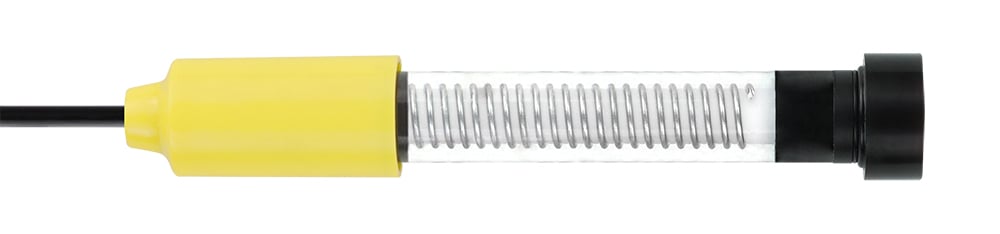
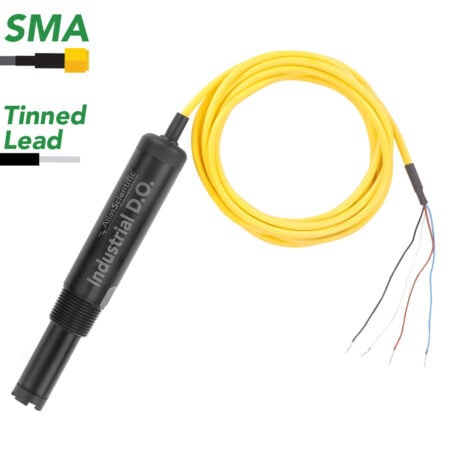
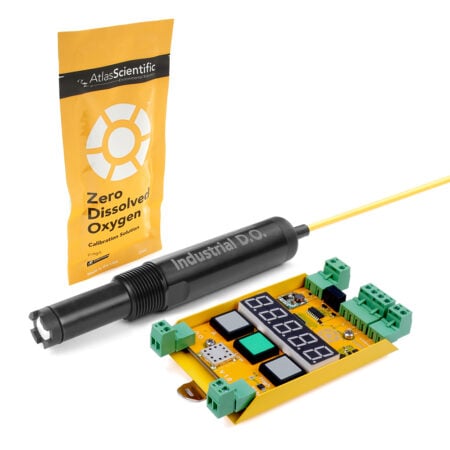
The Atlas Scientific Lab Grade Dissolved Oxygen Probe stands out as one of the most accurate and durable dissolved oxygen sensors available. Unlike most handheld DO meters designed for occasional spot checks, this probe is designed for continuous measurement and system integration.
That means it can be installed in a monitoring system that tracks oxygen levels around the clock. This is particularly useful in aquariums with sensitive species, reef tanks, aquaculture systems, or research environments where oxygen stability is critical.
These specifications are significantly stronger than many portable meters, which often have shorter sensor lifespans and require frequent recalibration.
Best for: Continuous aquarium monitoring, DIY aquarium controllers, aquaculture systems, and laboratory testing.
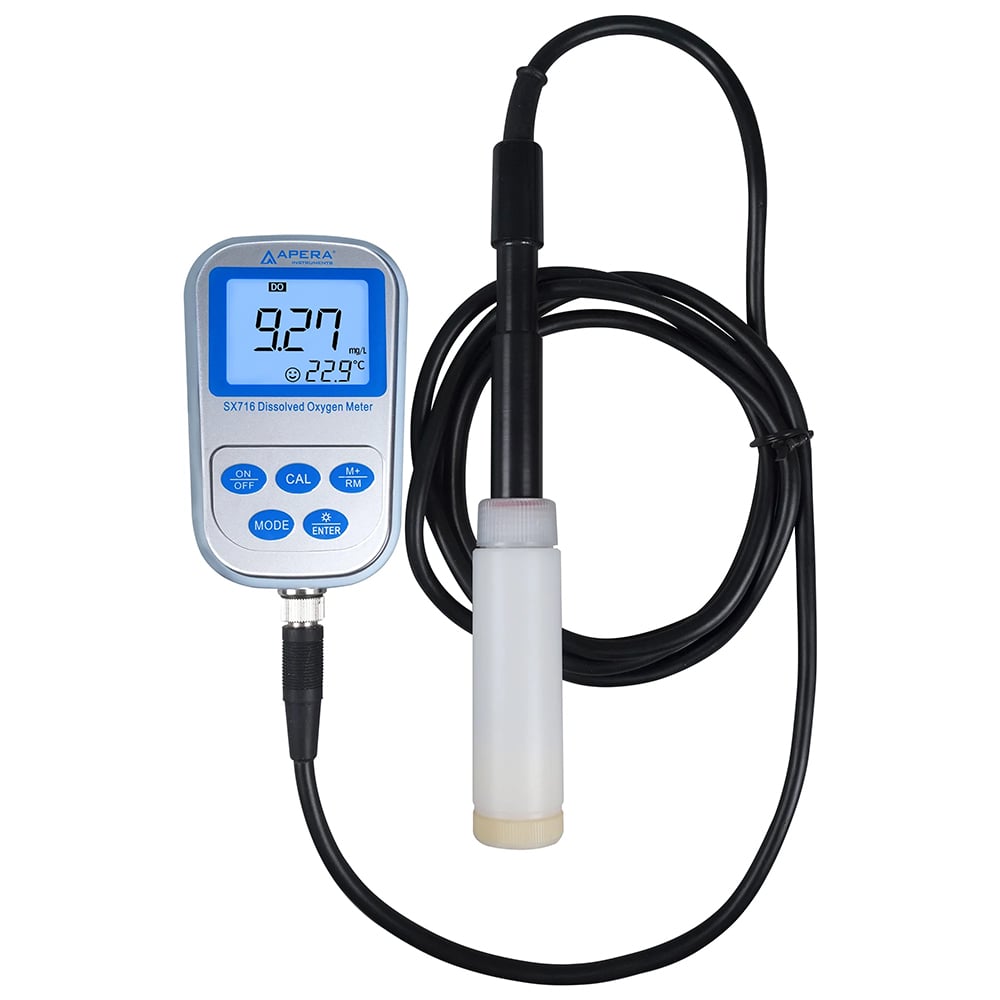
The Apera Instruments SX716 is one of the most widely used portable dissolved oxygen meters for environmental monitoring and aquaculture applications. Designed as a lab-grade handheld instrument, it allows users to quickly measure oxygen levels in water without needing a permanently installed probe.
This makes it particularly useful for aquarium owners who want to periodically check oxygen levels in multiple tanks or verify that aeration systems are functioning correctly.
The device is designed for reliability in field testing environments, including environmental monitoring and aquaculture.
Best for: Professional handheld measurements.
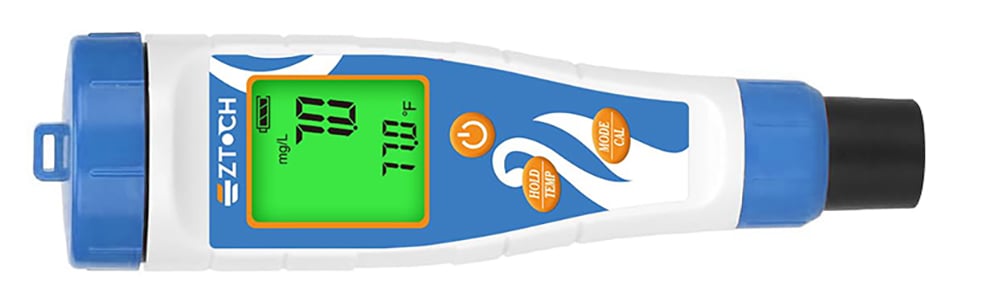
The EZTOCH Portable Dissolved Oxygen Meter is a compact handheld device designed for quick, on-site water quality testing. It is particularly popular among aquarium hobbyists and aquaponics growers because it provides a simple way to measure oxygen levels without the cost of professional laboratory instruments.
While it doesn’t offer the precision or advanced integration capabilities of high-end dissolved oxygen probes, the EZTOCH meter provides solid performance for routine monitoring and troubleshooting.
Best for: Hobbyists looking for a simple tester.
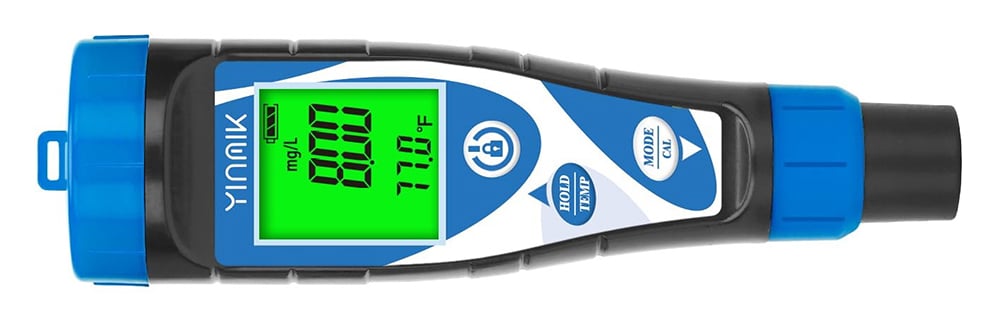
The YINMIK YK-9100A Dissolved Oxygen Meter is a portable digital tester designed for measuring dissolved oxygen levels in larger aquatic environments such as fish ponds, aquaculture tanks, hydroponic systems, and environmental water samples. Unlike many compact handheld meters, the YK-9100A is built as a complete testing kit that includes calibration solutions, electrolyte, and replacement membranes to support long-term use.
This device is particularly useful when testing oxygen levels in larger tanks or outdoor systems, where deeper water measurements and extended probe reach are necessary.
Best for: Large aquariums and fish ponds.
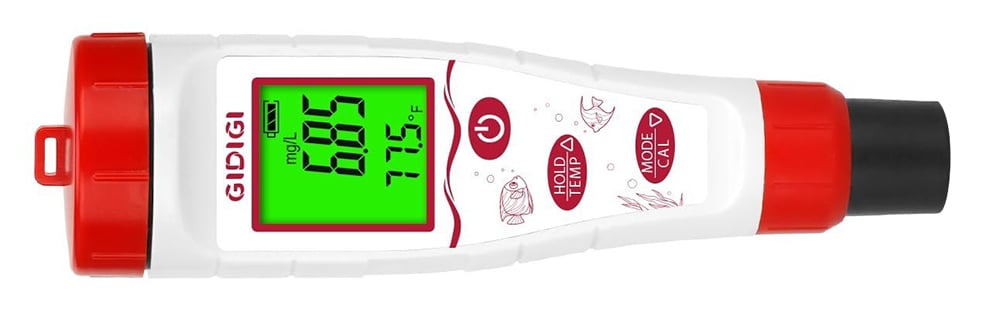
The GIDIGI GX-DO01 Dissolved Oxygen Meter is an entry-level handheld instrument designed for measuring oxygen levels in water. It’s aimed at users who want an affordable way to monitor water quality without investing in more complex laboratory equipment.
Although it’s positioned as a beginner-friendly device, the GX-DO01 still provides many of the essential features found in professional DO meters, including temperature compensation, dual measurement modes, and a detachable probe for submerged measurements.
Best for: Beginner aquarium hobbyists, small aquaculture systems, hydroponics setups, and general water quality testing.
| Product | Type | DO Measurement Range | Accuracy | Best Use Case | Key Strength |
|---|---|---|---|---|---|
| Atlas Scientific Lab Grade Dissolved Oxygen Probe | Integrated lab probe | 0–100 mg/L | ±0.05 mg/L | Continuous monitoring, automation systems | Lab-grade accuracy and long lifespan |
| Apera Instruments SX716 Dissolved Oxygen Meter | Portable handheld meter | 0–19.99 mg/L | ±0.30 mg/L | Professional spot testing | Field-ready design with data logging |
| YINMIK YK-9100A Dissolved Oxygen Meter | Portable DO tester | ~0–20 mg/L | ~±0.3 mg/L | Ponds and large tanks | Long probe cable for deeper water |
| GIDIGI GX-DO01 Dissolved Oxygen Meter | Entry-level handheld | ~0–20 mg/L | ~±0.3 mg/L | Beginner water testing | Multi-parameter monitoring |
| EZTOCH Portable Dissolved Oxygen Meter | Budget handheld | ~0–40 mg/L | ~±0.1–0.3 mg/L | Hobbyist aquarium testing | Affordable and easy to use |
Each of the devices in this guide can measure dissolved oxygen effectively, but they serve slightly different needs.
For hobbyists who want occasional measurements, portable meters such as the EZTOCH or GIDIGI may be sufficient.
For professional field testing, the Apera SX716 provides a reliable handheld solution.
However, if you want maximum accuracy, long-term reliability, and the ability to integrate oxygen monitoring into a full aquarium control system, the Atlas Scientific Lab Grade Dissolved Oxygen Probe stands out as the clear winner.
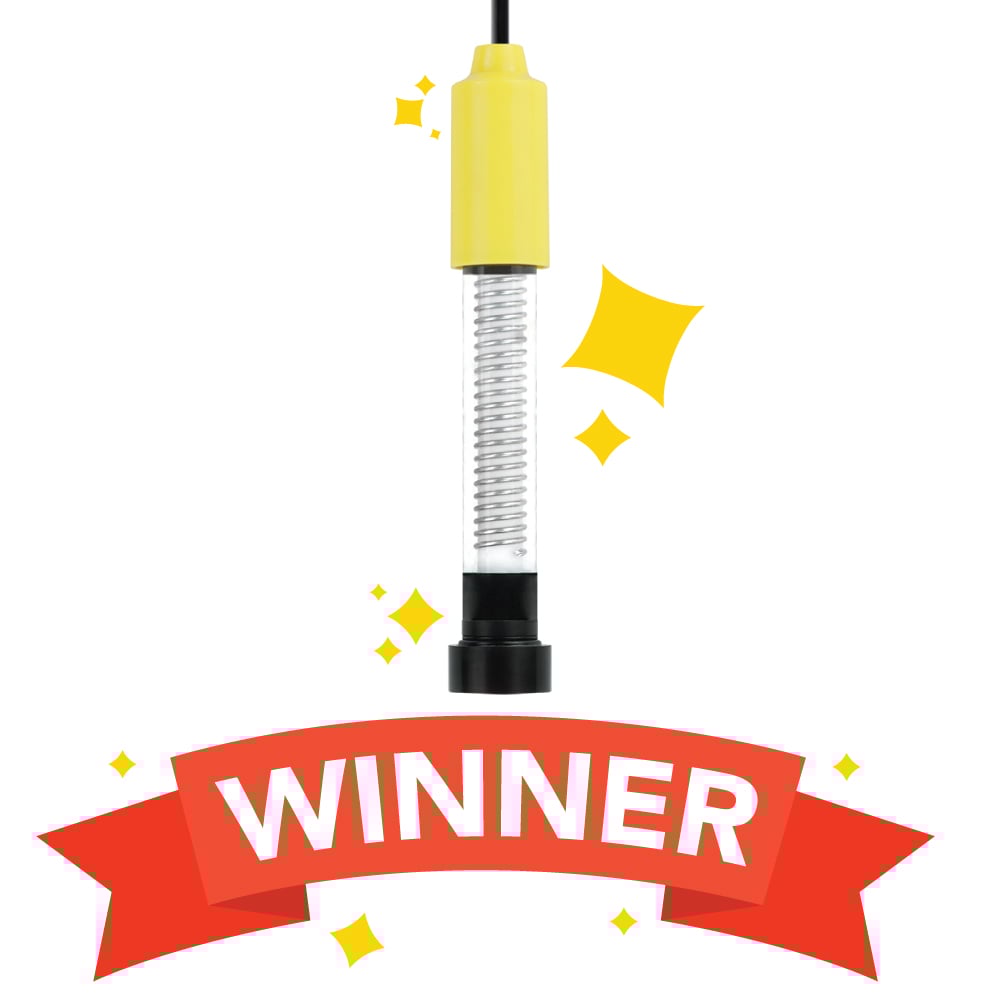
Its laboratory-grade precision, long sensor lifespan, and compatibility with monitoring systems make the Atlas Scientific Lab Grade Dissolved Oxygen Probe one of the most advanced dissolved oxygen probes available for aquarium environments.
Monitoring dissolved oxygen is one of the most effective ways to ensure a healthy aquarium environment. With the right meter or probe, you can maintain stable oxygen levels and protect the well-being of your aquatic life.


The best aquaponics systems balance reliability, efficiency, and crop versatility. Media beds suit beginners, rafts maximize leafy-green production, NFT and vertical systems save space, while
Maintaining the correct pH inside a bioreactor is essential for successful fermentation, cell culture, and bioprocess optimization. Even small pH fluctuations can dramatically affect enzyme