

Blog
Best pH Sensor for Bioreactors
Maintaining the correct pH inside a bioreactor is essential for successful fermentation, cell culture, and bioprocess optimization. Even small pH fluctuations can dramatically affect enzyme

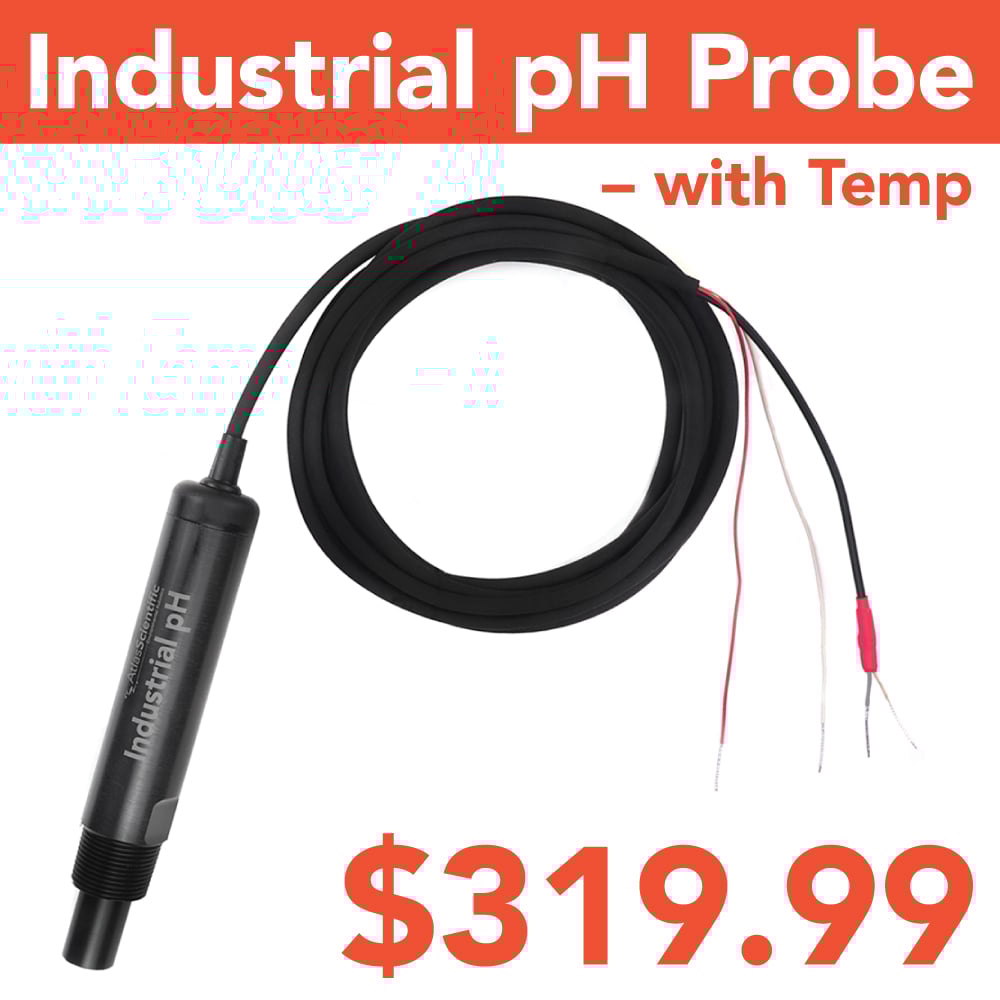




By periodically flooding roots with nutrient solution and then draining to replenish oxygen, ebb and flow hydroponic systems, also known as flood and drain configurations, maximize plant growth. This equilibrium promotes resilience, supports a variety of crops, and improves nutrient uptake. Effective, high-yield cultivation is ensured by perfecting tray design, pump timing, and monitoring.
Among the most adaptable and extensively used technologies in contemporary hydroponics are ebb and flow systems, sometimes referred to as flood and drain systems. Ebb and flow systems use controlled, cyclical flooding and draining to maximize root zone conditions, in contrast to passive systems that depend on simple wicking or continuous gravity-driven flow, such as hydroponic wick systems. This method supports a wide variety of crops, from hardy fruiting plants to delicate herbs, by combining precise nutrient delivery with sufficient oxygenation.
Since their creation, ebb and flow systems have been adopted as the norm in educational programs, hobbyist communities, and commercial operations. Their widespread use is due to a number of benefits, including their significant buffering capacity, ability to adapt to different plant species, and dependability under ideal conditions. In contrast to more straightforward passive techniques, the system’s adaptability adds complexity, necessitating meticulous planning, timing, and monitoring to guarantee steady plant performance.

As mentioned, ebb and flow systems work by repeatedly flooding and draining the root zone of plants with nutrient solution. By introducing nutrient-rich water into the grow tray during the “flow” phase, the growing medium is saturated, and plants receive dissolved macro- and micronutrients. In order to expose the root system to air and restore oxygen levels in the medium’s pore spaces, the “ebb” phase permits the solution to retreat into the reservoir. The system provides the roots with oxygen and nutrients by alternating between these extremes, which is a balance necessary for the best possible plant growth.
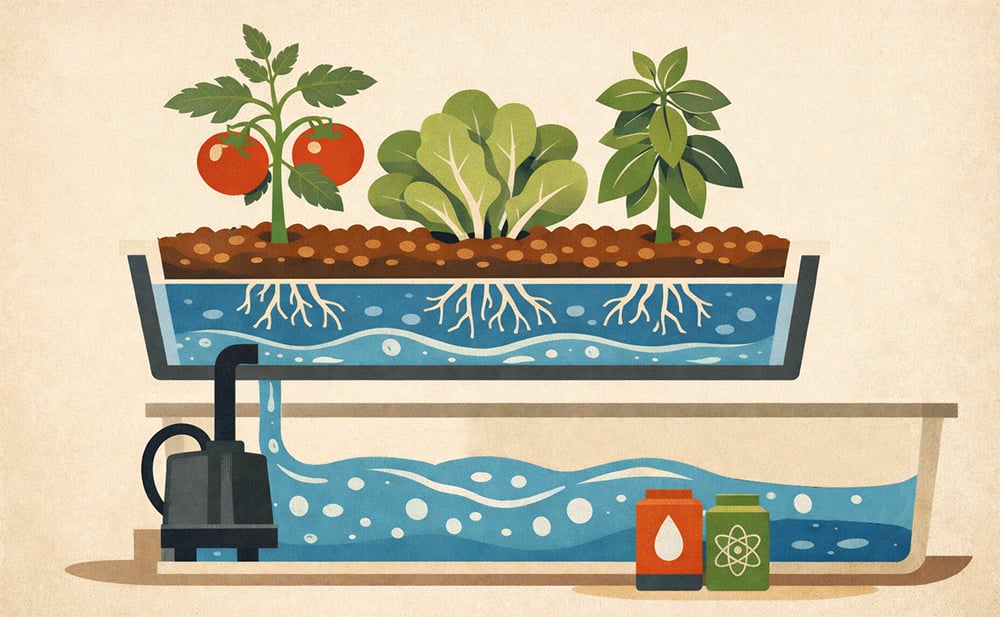
The ability of ebb and flow systems to preserve root zone oxygenation while guaranteeing nutrient availability accounts for their physiological efficacy. Aerobic respiration, the cellular mechanism that transforms nutrients into metabolic energy, depends on oxygen for roots to function. Long-term immersion, as in deep-water culture systems, can cause anaerobic stress and hypoxia, which hinder nutrient uptake and make roots more vulnerable to harmful infections. On the other hand, even with enough oxygen, extended dryness limits the absorption of nutrients. By scheduling floods long enough to saturate roots with nutrients and allowing drain phases long enough to restore oxygen to the root zone, ebb and flow systems balance these competing demands.
Although these timings must be modified depending on crop type, root depth, medium properties, and environmental factors, flood times normally last 15 to 30 minutes, and drain times last 30 to 45 minutes. Larger fruiting plants need longer drain intervals to guarantee deep root oxygenation, while smaller, shallow-rooted herbs need shorter flood and drain times. In addition to its physiological advantages, the ebb and flow method offers some protection against system failures because the nutrient solution kept in the growing medium lessens the immediate effects of brief pump or power outages.
The grow tray, nutrient reservoir, pump with timer control, and drainage/overflow mechanism are the four main components of a fully operational ebb and flow system. Every part plays a part in the overall dependability and performance of the system.
Grow trays support the plants and hold the growing medium, making them the main root environment. Usually two to four inches deep, trays need to be the right size to balance plant density with sufficient nutrient solution responsiveness. While hobbyists may recycle storage bins or aquarium tanks, commercial growers frequently use trays designed especially for hydroponic flooding and drainage. The effectiveness of the system is greatly impacted by tray design.
In order to prevent standing water, which can lead to anaerobic stress and encourage the growth of root pathogens, sloped bottoms allow for full drainage. While tray dimensions shouldn’t limit root growth or produce excessive water volumes that impair system responsiveness, raised edges help prevent solution overflow during flooding.
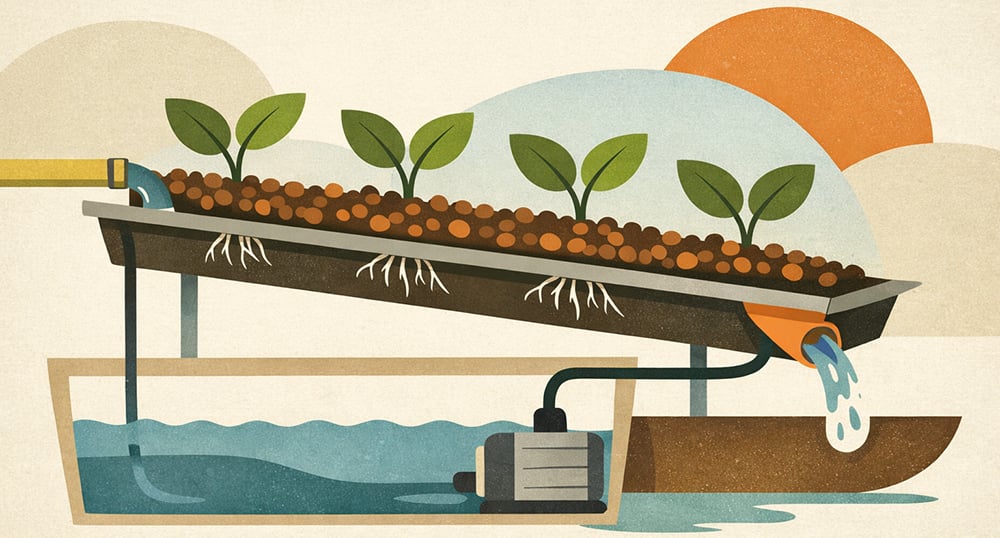
The grow trays receive their nutrient solution from the reservoir, which also stores it. In order to ensure adequate buffering against pH fluctuations, EC drift, and brief pump interruptions, the ideal reservoir size typically equals or slightly exceeds the total grow tray volume.
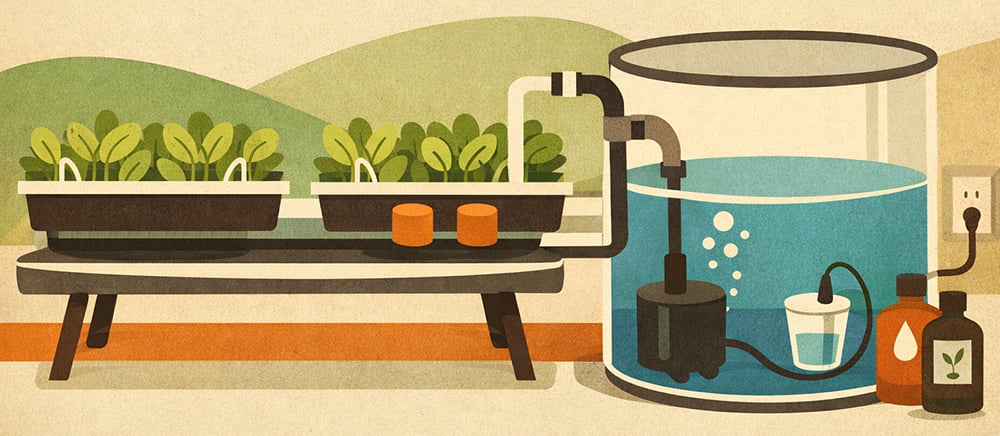
Although larger reservoirs offer improved thermal stability and less variability in nutrient concentrations, a standard rule of thumb is one gallon of reservoir capacity per one to two gallons of tray volume. The choice of reservoir material is crucial; opaque food-grade containers block light penetration, preventing the growth of algae and lowering the risk of microbial contamination. Transparent containers should be avoided in favor of opaque materials like black or dark blue.
The flood cycles are managed by an electronic timer-controlled submersible pump. In order to ensure effective nutrient delivery without excessive turbulence or aeration loss, the pump selection should permit the tray to flood in one to two minutes.
Accurate timing is essential because flood and drain cycles must coincide with the physiological requirements of plants. Modern systems may include Wi-Fi connectivity for remote monitoring and adjustment, and digital timers offer greater accuracy and flexibility than mechanical alternatives. Depending on the type of plant and environmental conditions, there are usually three to eight flood cycles per day.
In order to prevent total root submersion and maintain adequate medium saturation, overflow mechanisms, typically standpipes, maintain the tray’s maximum water levels. After the pump is turned off, the drain system uses gravity to return the solution to the reservoir.
Reliability of the system depends on the drainage and overflow systems operating properly. Static water from overflows or blocked drains can encourage the growth of pathogens and hypoxia. To keep performance at its best, regular cleaning and inspection are required.
The cyclical flooding of ebb and flow systems allows for periodic oxygenation, making them suitable for a variety of growing media. Hydroton, a type of expanded clay pellet, is common; it retains moisture during floods and has large pore spaces for full drainage. For seedlings, rockwool slabs or cubes work well, and coconut coir retains water well, though longer drain intervals might be required.

Water and nutrient balance can be maximized by using mixed media techniques, which combine finer media for nutrient retention and coarse particles for drainage. The optimal medium maximizes oxygen availability by retaining enough water during floods and draining quickly during ebb cycles.
Systems that use ebb and flow have various operational benefits. The main advantage is their adaptability; they can accommodate a wide variety of plant species, such as ornamental flowers, fruiting vegetables, leafy greens, shallow-rooted herbs, and root crops. Growers can cultivate multiple species in the same system by adjusting the timing of floods and drains to suit specific crop needs.
When compared to continuous submersion systems, root zone oxygenation is better. In order to encourage vigorous root development and lessen vulnerability to root diseases, each drainage phase restores oxygen to the medium.
By retaining moisture in the medium and storing nutrient solution in the reservoir, buffering capacity is increased, offering resilience against brief pump or power outages. High-yield potential is often the result of this combination of ideal root conditions, nutrient delivery, and adaptability.
Systems that use water and nutrients efficiently are ebb and flow systems. By ensuring that the solution is reused, recirculation reduces loss due to plant transpiration rather than system inefficiency. Furthermore, the design maximizes productivity per unit area by enabling space-efficient configurations, such as vertically stacked trays in commercial operations.
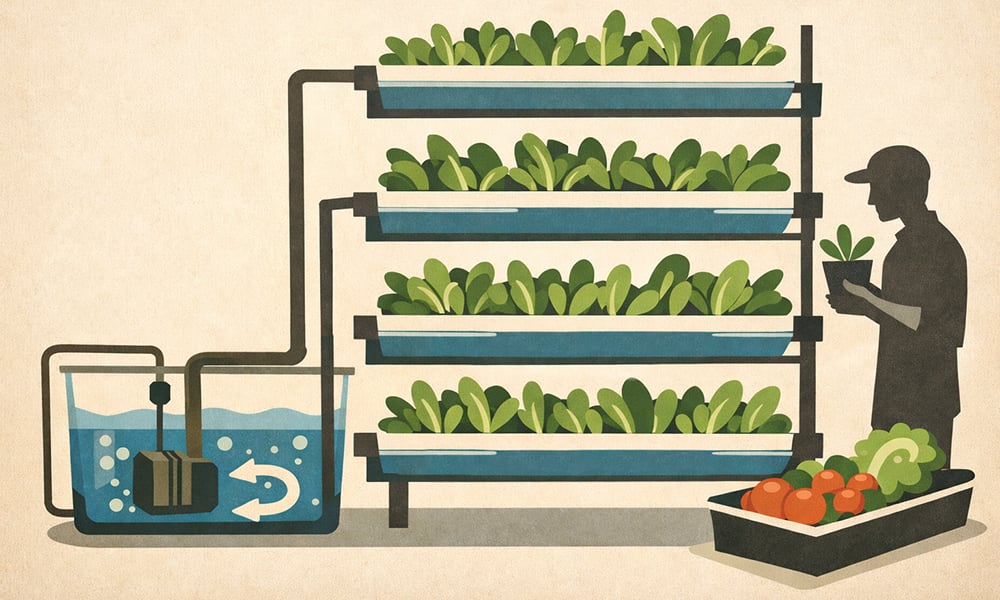
Ebb and flow systems add complexity despite their benefits. Compared to passive systems, the need for pumps, timers, overflow mechanisms, and extra plumbing raises the initial costs and technical requirements. Electricity dependence makes plants vulnerable; while system buffering can lessen short-term disruptions, prolonged power outages may jeopardize plant health.
While medium moisture retention offers short-term protection, extended inactivity eventually stresses plants, so pump failure is still a serious concern. Precise timing of floods and drains is crucial because too many floods can cause anaerobic stress, while long drain times can limit the uptake of nutrients.
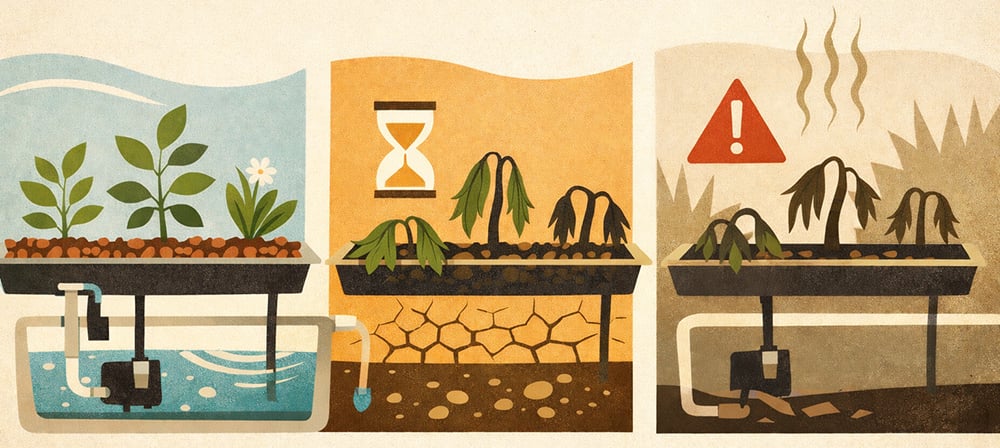
Other operational difficulties include EC drift, pH variations, and clogged drain lines, all of which call for close observation and routine maintenance.
Because of their shallow roots and moderate nutrient requirements, leafy greens like Asian greens, kale, spinach, and lettuce do well in ebb and flow systems. In order to guarantee complete root aeration, fruiting crops such as tomatoes, peppers, cucumbers, and strawberries thrive when drain times are prolonged.
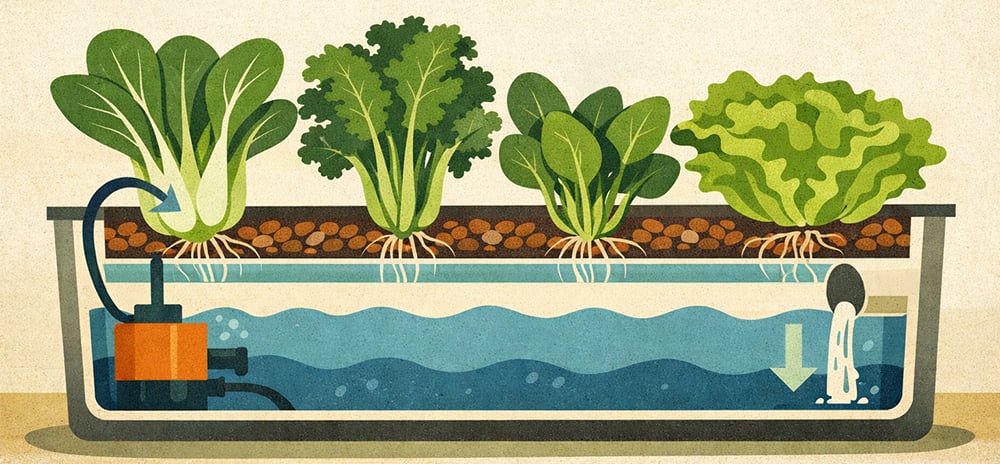
Controlled flood cycles provide the best flavor and vigor for culinary herbs like cilantro, parsley, and basil. While ornamental flowers and some vine crops are easily adapted to flood and drain cultivation, root vegetables, like carrots and radishes, can be grown in deeper media trays.
The first step in proper design is to determine the tray volume and size the reservoir to either match or surpass this capacity. The intended flood duration should be taken into consideration when choosing a pump, and its output should be checked against actual circumstances such as head pressure and plumbing resistance.
The timing of the initial flood and drain should be conservative; for instance, four times a day, 20-minute floods should be followed by 40-minute drains, with iterative adjustments made in response to plant response. Yellowing may be a sign of excessive flooding or insufficient oxygenation, whereas wilting may be a sign of insufficient flooding.
In order to maintain sufficient medium saturation without complete submersion, overflow standpipes should be placed two to three inches for leafy greens and three to four inches for fruiting plants with deeper roots. Complete solution return must be made possible by drain lines, and system testing must guarantee efficient gravity drainage.
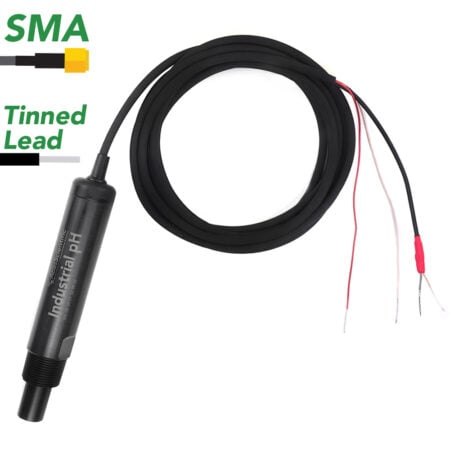
Because ebb and flow systems are dynamic, regular pH and EC monitoring is necessary using a high-accuracy hydroponic pH sensor and EC meter.
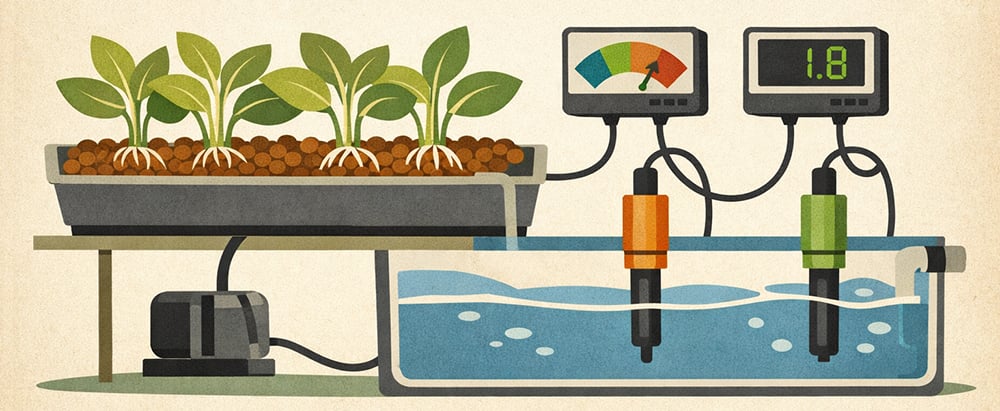
Generally speaking, ideal pH ranges are between 5.5 and 7.0, with species-specific optimal values. As plants absorb nutrients and the solution evaporates, the nutrient concentration should be adjusted to remain within crop-specific EC ranges, typically 1.2 to 1.8 mS/cm. To maximize dissolved oxygen and nutrient solubility, the solution temperature should stay between 65 and 75°F. In addition to temperature control, monitoring dissolved oxygen (DO) levels is critical in ebb and flow systems. Although the drain phase restores oxygen to the root zone, inadequate aeration in the reservoir can still limit root respiration and nutrient uptake. Measuring DO with a high-accuracy dissolved oxygen probe allows growers to confirm that oxygen concentrations remain sufficient, particularly in densely planted systems or warm environments where oxygen solubility decreases. Maintaining proper DO levels helps prevent hypoxic stress and reduces the risk of root pathogens.
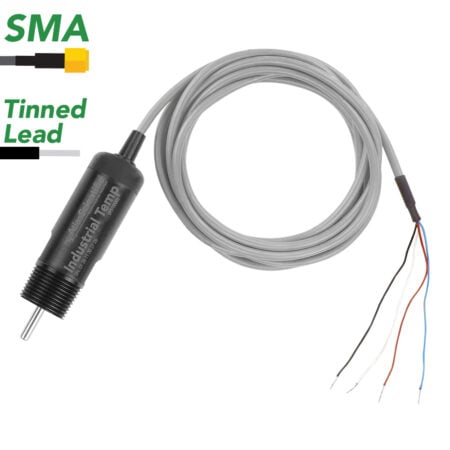
To monitor temperature, the Atlas Scientific Temperature Probes offer accurate measurements you can rely on.
Weekly checks should verify that the pump is operating correctly, that the drainage is full, that the overflows are working, that there are no algae or pathogens present, that the solution levels are sufficient, and that the timer cycles are accurate. Monthly cleaning of drain lines is necessary to avoid blockages caused by algae or root matter, and complete system sanitization between crops stops the spread of pathogens.
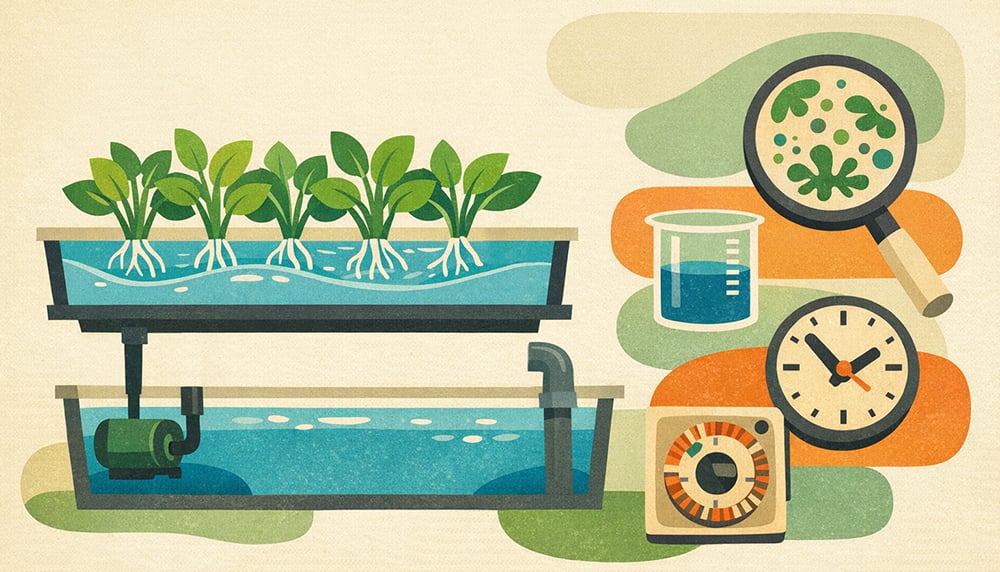
Ebb and flow hydroponic systems offer a well-rounded, adaptable platform that can sustain a variety of crops with high yields and economical resource usage. While the system’s buffering capacity guarantees resilience against temporary failures, its cyclical flooding and draining strategy maximizes oxygenation and nutrient delivery in the root zone.
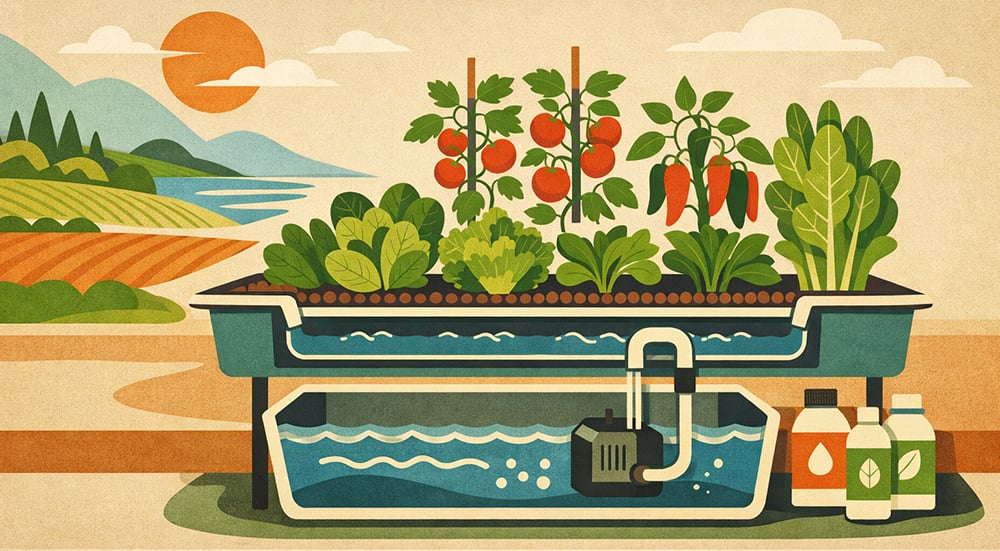
However, effective management is necessary for the system to function, including proper sizing, accurate timer calibration, and careful pH, EC, and temperature monitoring. To avoid disease and guarantee steady crop production, pumps, drain lines, and reservoirs must receive routine maintenance.
If you would like to learn more about ebb and flow hydroponic systems or are unsure which probes or sensors you require, reach out to the world-class team at Atlas Scientific today.


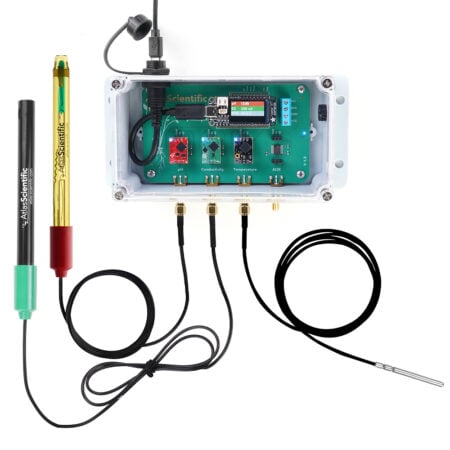
Maintaining the correct pH inside a bioreactor is essential for successful fermentation, cell culture, and bioprocess optimization. Even small pH fluctuations can dramatically affect enzyme

Reverse osmosis water is best for hydroponics, providing near-zero EC and removing contaminants. It offers reliable results, precise nutrient control, and typically pays for itself