

Blog
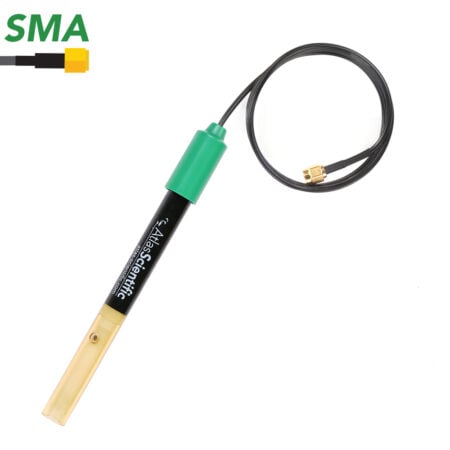
Best pH Sensor for Bioreactors
Maintaining the correct pH inside a bioreactor is essential for successful fermentation, cell culture, and bioprocess optimization. Even small pH fluctuations can dramatically affect enzyme

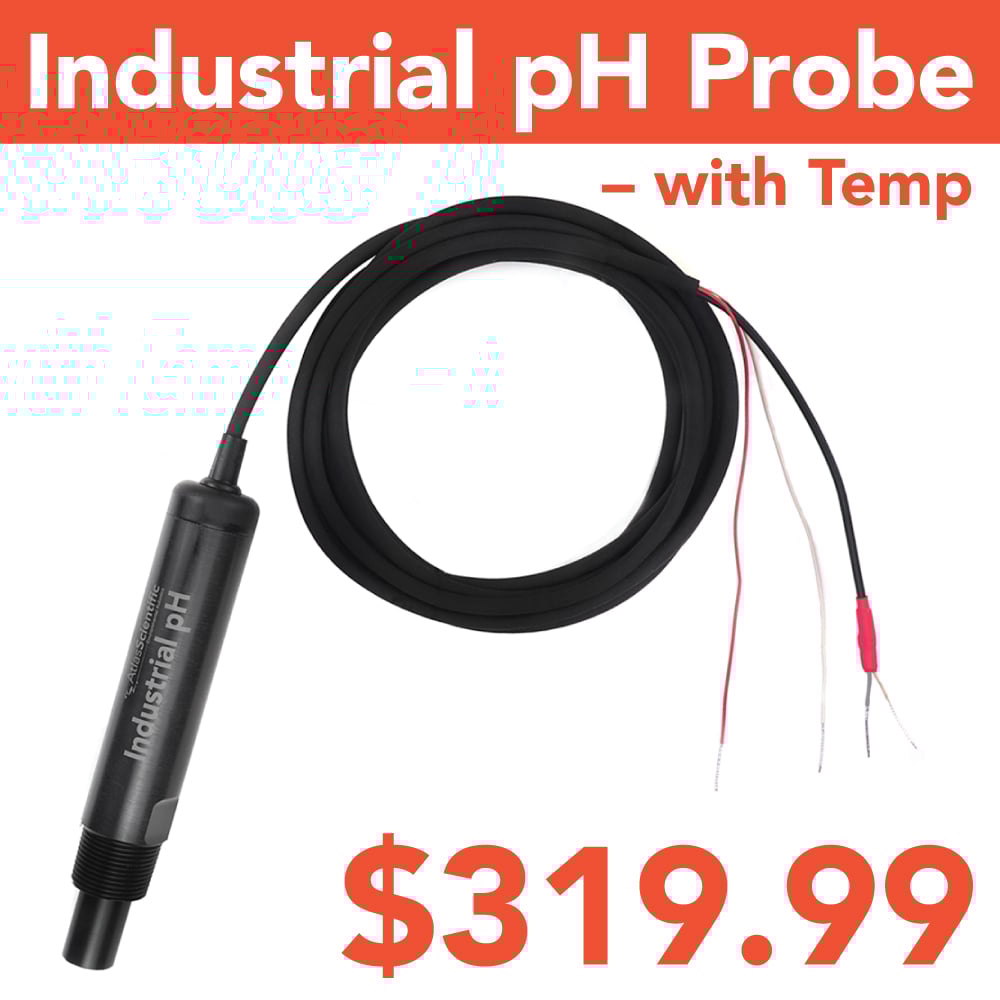





Proper probe care is the foundation of accurate, reliable measurements. From pH to DO sensors, mishandling or poor maintenance can sabotage results without you realizing it.
When accuracy is critical in water analysis, environmental monitoring, or in the laboratory, nothing is more important than your probes. However, many workers are actually sabotaging measurement accuracy without realizing it, just by mishandling their probes. This comprehensive guide will transform your approach to caring for your analytical instruments, ensuring a consistent flow of accurate data and maximizing the return on your equipment investment.
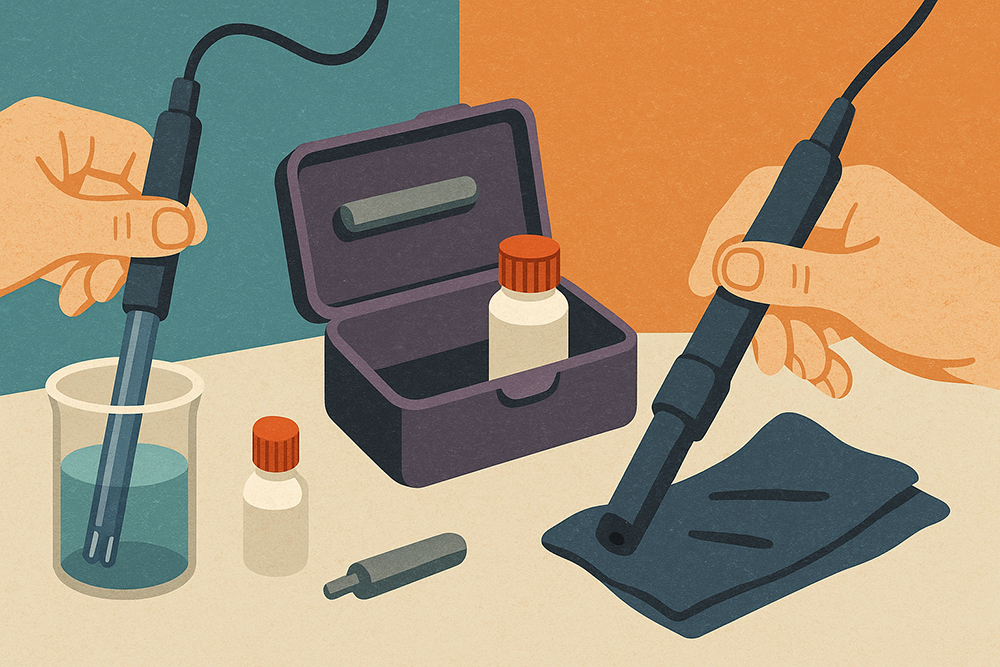
There are sensitive parts constructed in the probes for specific measurement types. The readings from pH probes are derived from specially designed glass bulbs that react with hydrogen ions to produce a voltage differential representing the pH value. The fragile glass membrane and its reference electrode system are what give you precise measurements.
Dissolved oxygen (DO) sensors depend on permeable membranes for the passage of oxygen molecules to the cathode and also for chemical reactions to take place. The accuracy of the measurement is directly affected by membrane condition. Therefore, good maintenance is necessary for reliable results.
Conductivity probes measure solution conductance with electrodes that are closely spaced. Even a slight fouling at the micro level affects readings dramatically, so proper maintenance is key.
Ion-selective electrodes use ion-specific membranes to sense specific ions with exceptional sensitivity. This sensitivity makes them susceptible to the contamination of and damage to their membranes through mishandling.
ORP probes use a metal electrode (usually platinum) and a reference electrode to measure the oxidizing or reducing strength in a solution. The accuracy of an ORP probe heavily depends on a clean electrode surface, so any fouling or buildup must be removed regularly.

Humidity sensors measure moisture levels in the air or soil using capacitive or resistive elements. Their performance can be affected by condensation, dust, a buildup of soil, or temperature changes, making proper storage and cleaning important.
The analysis of failure modes enables you to avoid premature wear. Voltammetric behavior results from a disintegrated membrane when probes are exposed to high/low pH, organic solvents, or high temperatures, which causes damage to sensing surfaces. They change molecular form and produce drift, sluggish recovery, or failure.
Contamination of the junction occurs in applications where protein concentration is high, as well as precipitating salts or solid suspensions. Unclean reference junctions will block the flow of ions and make the measurement unstable. Contamination is the most preventable cause of failure.
In many probes, a permanently hydrated layer is necessary in order to obtain measurements. Dry exposure, even for a short time, can permanently affect the performance. For example, if aggressive chemicals attack the surfaces of glass membranes, the electrodes can dissolve or change the properties of the membranes permanently.
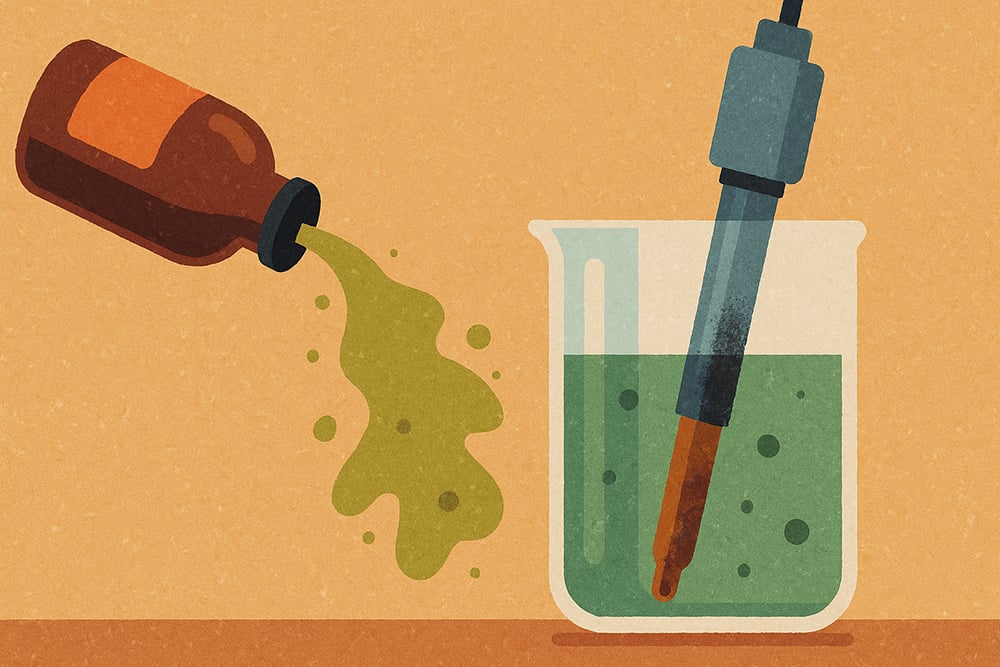
Additionally, the probe housing can crack or internal parts can be damaged by impact, thermal shock, or mishandling.
Daily care prolongs the life of probes and ensures reliability. Start by visually inspecting for damage, loose connections, or discoloration. Confirm containment solutions are maintained at the proper levels and remain unpolluted, and record expiry dates.

For pH probes, check that your glass bulbs are clear and not damaged. Particularly, look for troublesome signs such as cloudiness, cracks, or chipping. Clean, shiny electrode surfaces free from coatings are necessary for all probes, especially conductivity probes, because of their function.
During use, do not hit or drop the probe, and avoid storing it in extremely hot and cold places. After transferring to other solutions, wash the probe well with distilled water to avoid carry-over contamination. Let probes thermally equilibrate with samples before taking readings, particularly when measuring temperature levels with a temperature probe.
Introduce after-use cleaning following each measurement. If using in low-contaminated solutions, you can initially rinse the probe with distilled water. For extremely dirty probes, you should use mild water pressure, but be careful not to excessively scrub the probe, as this could damage it.
When using acidic solutions, you may need to perform inorganic scaling cleaning; however, always check the manufacturer’s guidelines for the probe’s specific cleaning requirements. For organic contamination, only approved organic solvents and the manufacturer’s recommended solutions are to be used for general cleaning.
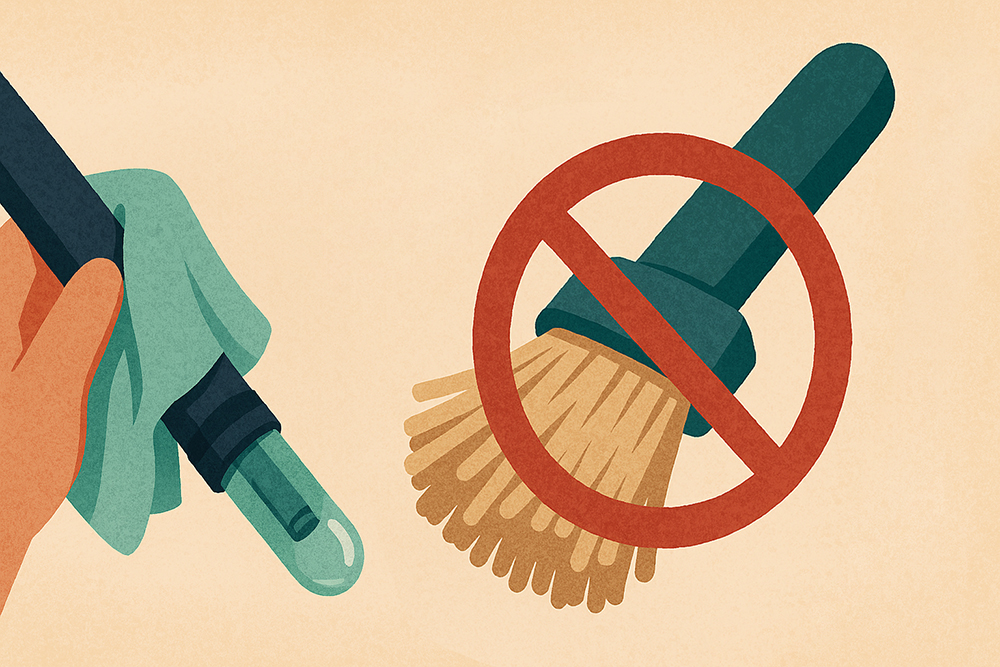
When a mechanical cleaning is required, use gentle brushes or cotton swabs. It is important to avoid all abrasive substances and materials that could cause scratching, and never scrub pH probe glass bulbs with an abrasive brush.
When probes are heavily used or are used in harsh conditions, they often need specialist cleaning. Probes used for biological purposes typically require soaking in pepsin solution (0.1 M HCl, with pepsin) for 15-60 minutes and then washed adequately.
Probes used in hard water and high ionic strength samples, a brief wash with appropriate acid solutions (usually 0.1 M HCl for calcium carbonate) is required for removal. Do not allow the probe to soak, as it can be damaged by over-soaking.
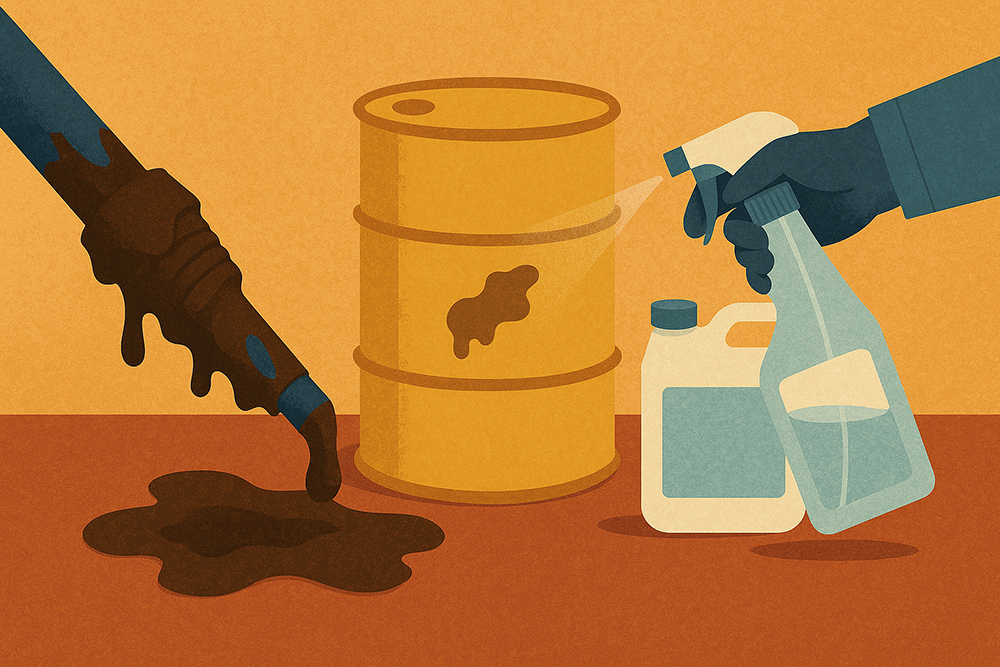
Probes used in the oil industry or exposed to grease contamination will require authorized organic solvents (like isopropanol) or special cleaners, followed by rinsing with plenty of water to remove any remaining contamination.
For interchangeable membrane probes, it is generally more economical to replace the membrane than the entire probe to return performance to 100%.
Usage isn’t necessarily the main factor in how long a probe will last. It often largely depends on storage conditions.
Calibration at routine intervals provides precision and reliable measurements. Define times according to when it is used and how critical calibration is for the application. Typically, high-use or high-precision application probes may need daily, intermittent calibration, but some probes function accurately on a weekly or monthly schedule.
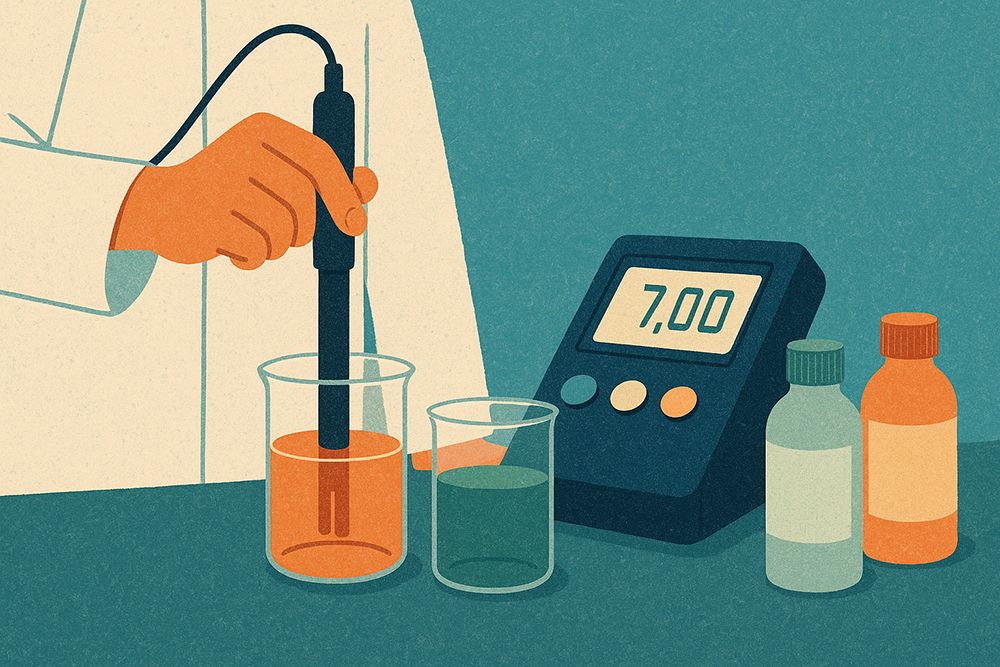
It is always best to identify and correct problems early to avoid measurement errors. We find that slow changes in probe function are frequently due to membrane fouling or drying. To resolve this, attempt suitable cleaning or membrane conditioning processes.
Wandering readings usually indicate reference junction issues, fouling, or aging. Inspect probe caps and sensor housings, clean and recalibrate after deep cleaning to regain stability.
Intermittent measurements often are caused by bad connections, faulty cables, or sporadic failures. Inspect all connections and replace components if necessary in a methodical manner.
Total failure, meaning no response at all or substantially incorrect readings based on calibration, almost always needs replacement. Verify problems aren’t instrumentation-related first.
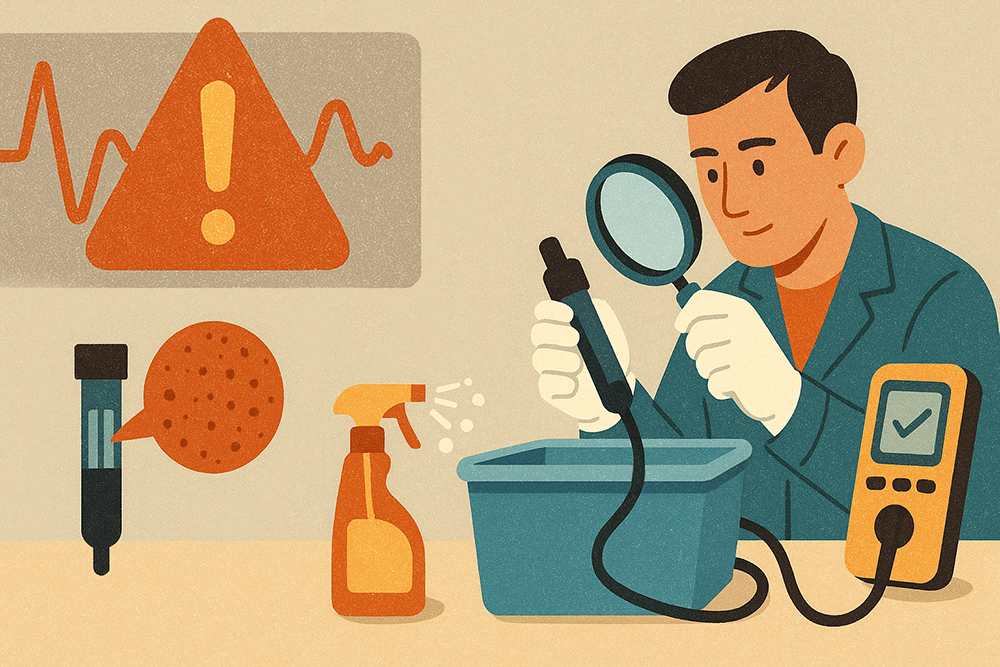
Effective care of probes demands that you consistently perform systematic practices across your testing environment. Write operating procedures for use, cleaning, storage, and calibration, and educate all users about these actions and why they are important.
Keep sufficient stock of cleaning and storage solutions, as well as calibration materials, and monitor the dates. Keep records of maintenance and calibrations, as well as performance data. Such systematic record keeping serves as a quality control measure and helps to determine performance trends and replacement intervals.

Advanced industrial conditions necessitate an advanced level of protection. Outside of typical use, think about using probe guards, special coatings, or more regular replacement if using the probe in extreme conditions.

Computer-based systems would also benefit from having automated cleaning and calibration functions for automatic maintenance of performance without human intervention. Use failure modes on these systems and keep ways to monitor them in place.
Special temperature compensation and equilibration procedures are required for these temperature-sensitive applications. Temperature probes and samples should be allowed to equilibrate.
Some high-precision applications may necessitate a recommended calibration interval, special storage conditions, or cross-reference with more than one probe for measurement assurance. As mentioned throughout this article, if you’re unsure, check the probe’s manufacturer guidelines.
Determine and evaluate the actual cost of that probe. Take into account the purchasing price, the cost for maintenance supplies and labor, as well as replacement frequency. Careful treatment can lengthen instrument life and lower the total cost of ownership by increasing measurement reliability.

Think about the price of wrong measurements, such as regulatory fines, product quality, and environmental infringements. And, these concealed costs are higher than the cost of a replacement probe.
Also consider creating budgets for probe care supplies and replacement cycles.
Taking care of your probes isn’t just about stretching their life span; it’s also about protecting the accuracy and integrity of every single measurement you make.
Probe care starts with cleaning and storing the probe correctly, includes calibrating it periodically, and takes you all the way to careful handling; every action reduces liability and cost while delivering consistent performance across applications.
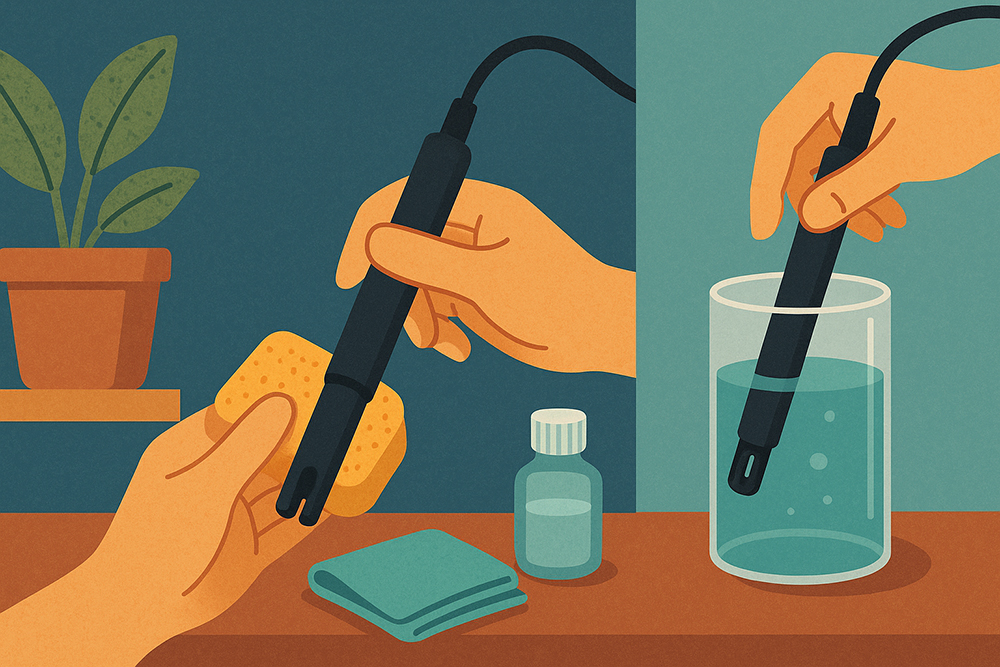
Neglect, however, can silently eat away at data quality and result in costly issues. With proper care, your probes are dependable tools you can trust day in and day out.
If you would like to know more about advanced probe care or what probes we have available for your application, feel free to reach out to the world-class team at Atlas Scientific today.


Maintaining the correct pH inside a bioreactor is essential for successful fermentation, cell culture, and bioprocess optimization. Even small pH fluctuations can dramatically affect enzyme

Reverse osmosis water is best for hydroponics, providing near-zero EC and removing contaminants. It offers reliable results, precise nutrient control, and typically pays for itself