

Blog
The Best Indoor Air Quality Monitors
Indoor air quality can have a major impact on the comfort and productivity of homes, offices, schools, laboratories, and industrial facilities. Carbon dioxide buildup, poor





Both BOD and COD measure oxygen demand, but they are important because they show different facets of water pollution. BOD indicates the amount of oxygen that microorganisms will use as they break down biodegradable organic matter over time, indicating the ecological impact and effectiveness of biological treatment. COD provides a quicker, more comprehensive picture by measuring the entire chemically oxidizable load. They work together to direct decisions about real-time water quality management, regulatory compliance, and treatment design.
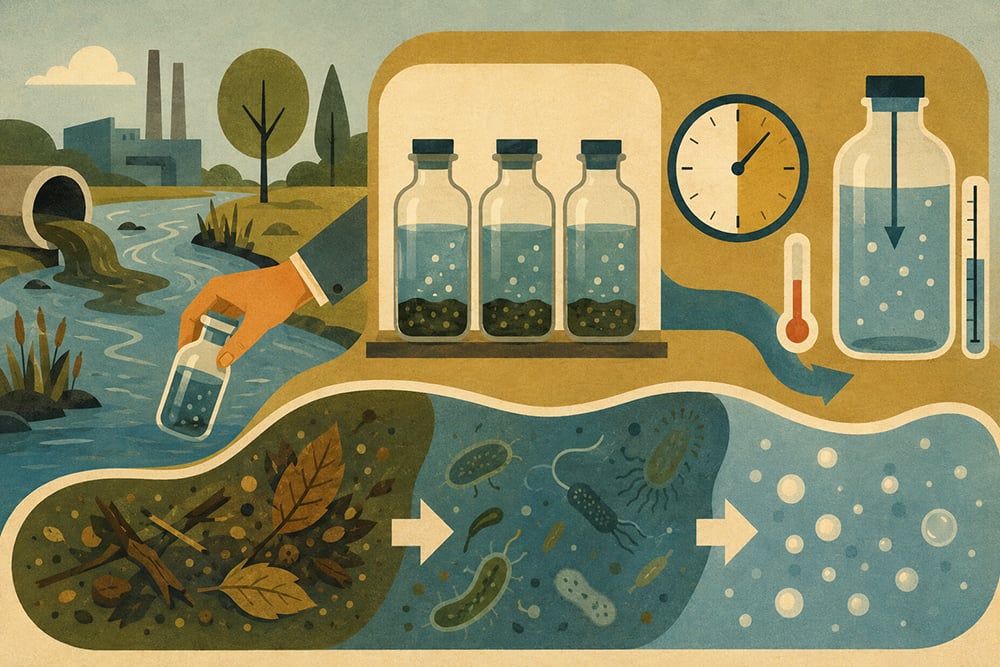
When engineers, scientists, or regulators talk about water quality, two terms come up again and again: Biochemical Oxygen Demand (BOD) and Chemical Oxygen Demand (COD). On the surface, they both measure how much oxygen is needed to break down organic matter in water. But dig deeper, and you find that they tell different stories about what’s in the water and how treatment systems should respond.
After reading this guide, you will understand not only what BOD and COD measure, but why these measurements differ, when each is most useful, and how modern monitoring, including real-time sensing, is transforming how we manage water quality.
At their core, both BOD and COD relate to oxygen demand, the amount of oxygen that would be consumed to break down organic material in a water sample. Oxygen demand matters because aquatic organisms depend on dissolved oxygen (DO) to survive. When oxygen is depleted by organic decomposition, ecosystems suffer.
But BOD and COD approach oxygen demand from different angles: biology vs chemistry.
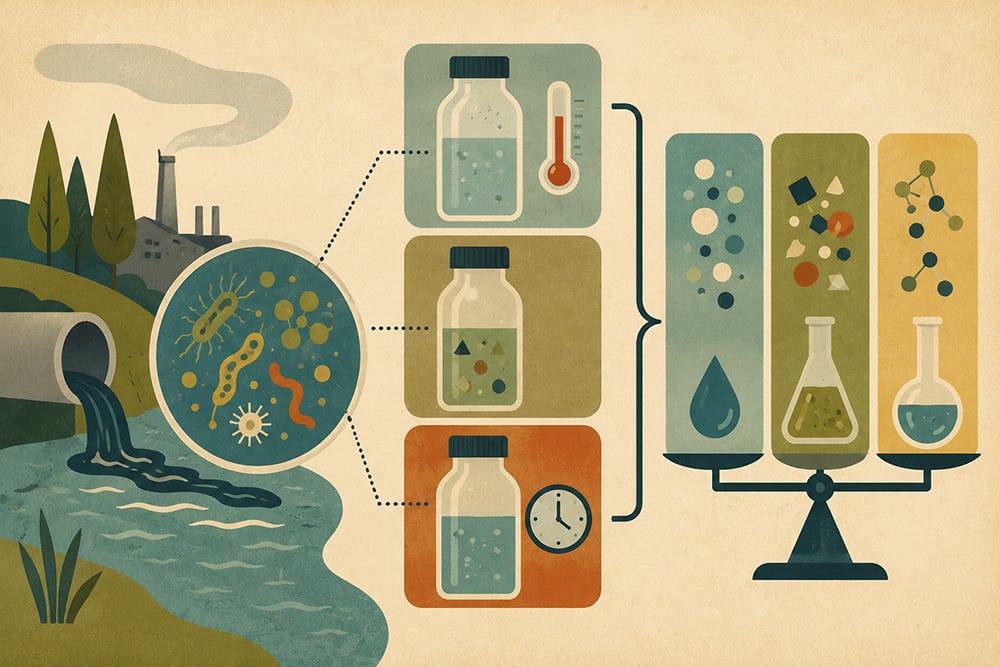
BOD measures the amount of oxygen microorganisms consume while metabolizing organic matter under controlled conditions over a specified number of days, typically five (BOD₅). It reflects the oxygen needed for biological oxidation, that is, what bacteria and other microbes can actually break down.

Imagine a wastewater treatment basin full of diverse microbial life. When organic pollutants enter, bacteria consume them using oxygen. BOD mimics this natural biodegradation in a laboratory, tracking how much DO microbes use as they digest the sample over the test period.
Because it relies on microbial activity, BOD is inherently slow, the standard test takes five days.
It can also underestimate oxygen demand when organic compounds are resistant to biological breakdown.
COD measures the amount of oxygen required to chemically oxidize organic and some inorganic substances in a water sample using a strong oxidizing agent such as potassium dichromate in acidic conditions. Unlike BOD, COD does not rely on living organisms.
In practical terms:
In short, BOD answers “How much oxygen will microbes use over time?”, while COD answers “How much oxygen would be needed to oxidize everything in this water sample chemically?”
Understanding how these measurements work helps illuminate why they differ and why both are useful.
A typical BOD₅ test follows these steps:
Modern dissolved oxygen measurement is often done with high-precision sensors such as those developed by Atlas Scientific. These sensors maintain accuracy over long incubations and resist drift, ensuring trustworthy BOD results.
Because BOD relies on living organisms, results can vary depending on microbial health, sample toxicity, and incubation conditions. That’s part of why regulations sometimes pair BOD with other metrics like COD or Total Organic Carbon (TOC).
The typical dichromate COD test involves:
Because COD employs aggressive chemical oxidation, it captures a broader range of substances than BOD. That’s why COD is often favored in industrial wastewater contexts or as a faster indicator of organic load.

However, COD tests require hazardous chemicals and careful laboratory procedures. They aren’t typically suitable for real-time field monitoring.
Now that you understand the mechanics, let’s explore how BOD and COD differ in real-world use.
COD tests are much faster than BOD tests. While a BOD₅ test takes five days, COD can be completed in a few hours. For operational decision-making, that speed is invaluable.

Because BOD focuses on biological degradation, it is a good indication of biodegradable organic load. COD includes both biodegradable and nonbiodegradable oxidizable substances.
In wastewater treatment design, the ratio of BOD to COD can help determine how much of the organic load will respond to biological treatment.
BOD tests depend on microbial activity. Compounds that are toxic to microbes can skew BOD results. COD is less vulnerable to biological inhibition because it uses chemical oxidation.
COD values are usually higher than BOD values for the same water sample. If BOD is 200 mg/L, COD might be 400 mg/L or more, depending on the composition of the sample.

Both measures have their place in water quality management.
In many treatment plants, operators use both metrics. COD provides a rapid snapshot of organic load, while BOD offers insight into how much of that load can be removed biologically.
In some contexts, you’ll also encounter Total Organic Carbon (TOC) measurements. TOC quantifies the amount of carbon bound in organic compounds in water, a direct measure of organic content.

Unlike BOD and COD, TOC doesn’t measure oxygen demand, but it often correlates with organic load. In systems where real-time monitoring is critical, TOC analyzers (often based on UV oxidation or combustion) can provide rapid feedback that aligns with trends in COD.
Each metric has strengths. TOC provides insight into organic content. BOD tells you about biological degradability. COD captures the total oxygen demand potential.
Many modern water quality monitoring strategies use these metrics together to produce a fuller picture of contaminant behavior and treatment efficacy.
Understanding these metrics in theory is one thing. But their utility shines in real-world applications:
Operators monitor COD to track influent organic load and adjust aeration or chemical dosing. BOD helps evaluate biological treatment performance and whether nutrient removal is adequate.
Factories discharging wastewater often have high loads of organic and inorganic oxidizable compounds. COD is a critical measure for pretreatment and regulatory compliance. Some industries also track BOD to understand biodegradability.

Government agencies use BOD to assess the biological oxygen demand pressure on rivers and lakes. COD often supplements these assessments when rapid data is needed or when industrial pollutants are involved.
When municipal systems overflow during rain events, sudden spikes in organic load can occur. COD can detect these spikes quickly, helping operators understand the magnitude of the event.

Although BOD and COD tests are laboratory procedures, modern water quality management increasingly depends on real-time supporting data. Here’s how sensors play a valuable role:
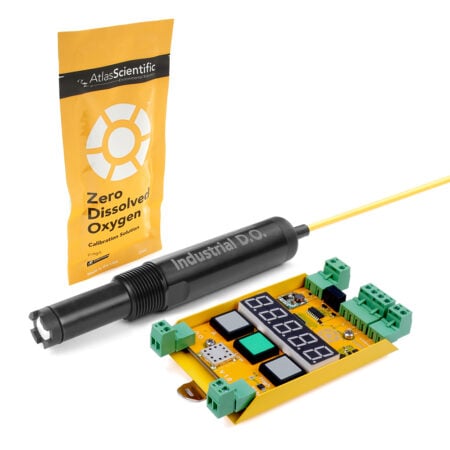
In BOD testing and in treatment processes, DO is essential. High-precision dissolved oxygen probes, like the Atlas Scientific dissolved oxygen kit, enable reliable measurement of DO in both lab and field environments. These sensors help operators understand oxygen availability, aeration efficacy, and biological activity levels.
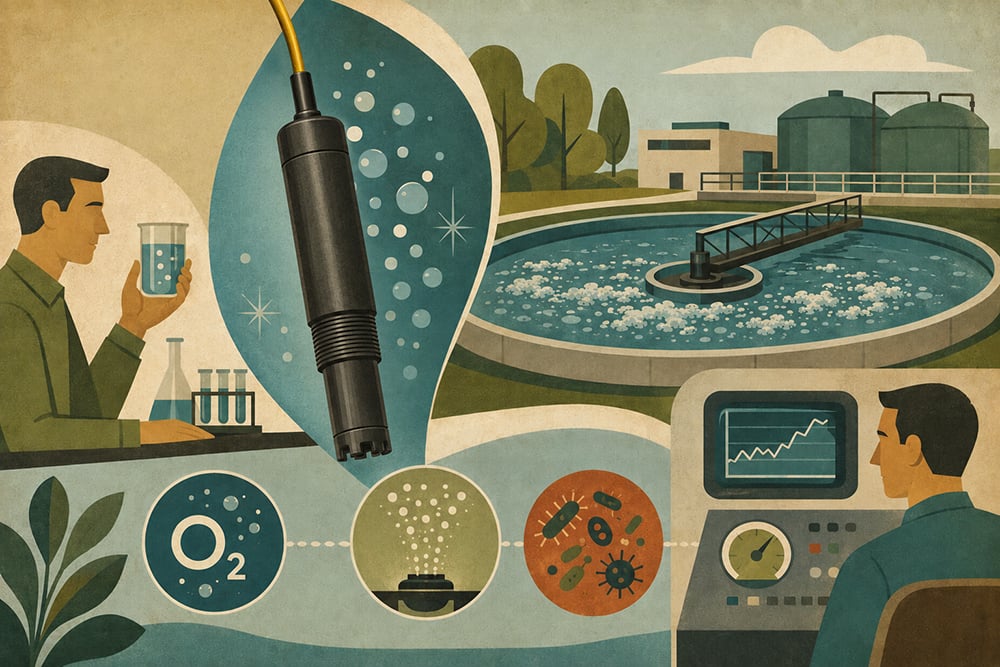
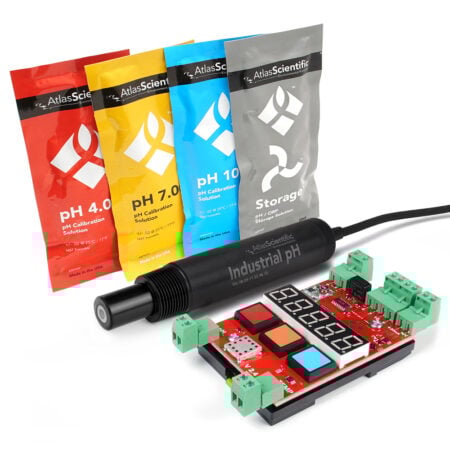
pH influences both biological and chemical oxidation kinetics. Automated pH monitoring helps ensure BOD incubations remain valid and that treatment basins operate within optimal ranges. Atlas Scientific’s robust pH probes provide stability and low drift in wastewater conditions.
Temperature affects the metabolic rates of microbes and the chemical reaction rates in COD tests. Monitoring temperature helps interpret BOD and COD measurements correctly and supports effective process control. At Atlas Scientific, the EZO complete DO kit will cover your testing needs.
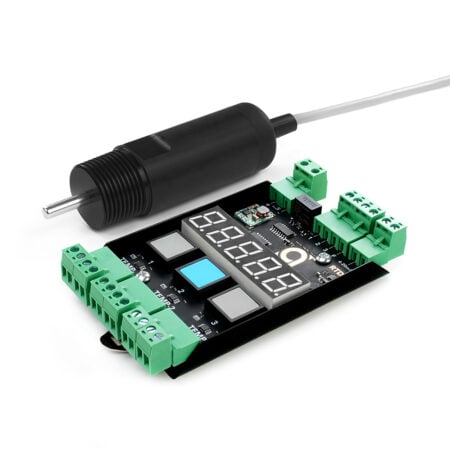
Conductivity is a proxy for ionic strength and total dissolved solids. While not a direct measure of organic content, conductivity trends often correlate with COD changes, especially during influent spikes or treatment upsets.
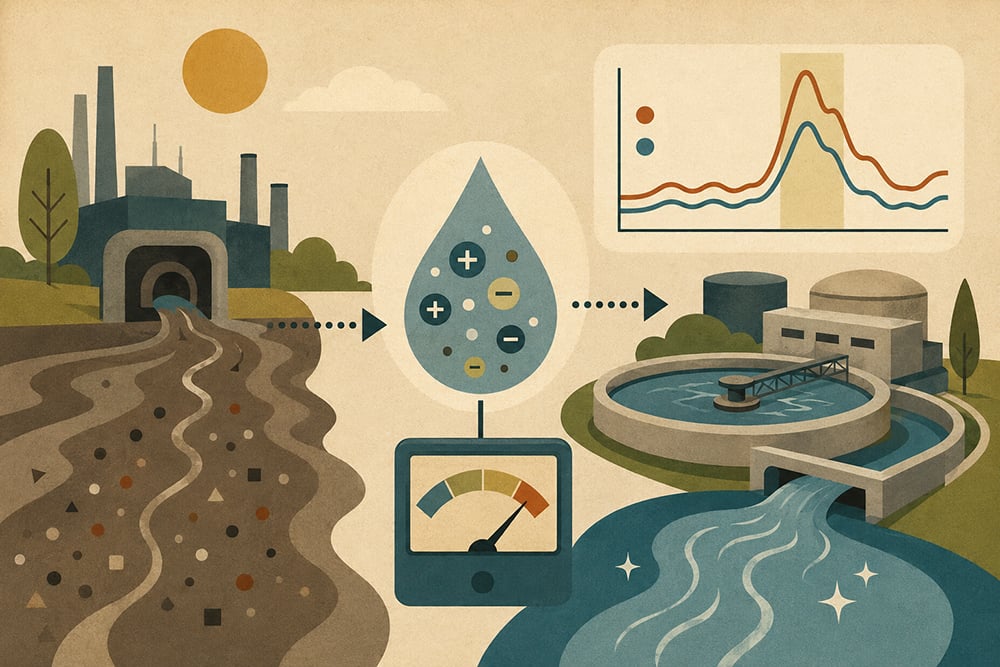
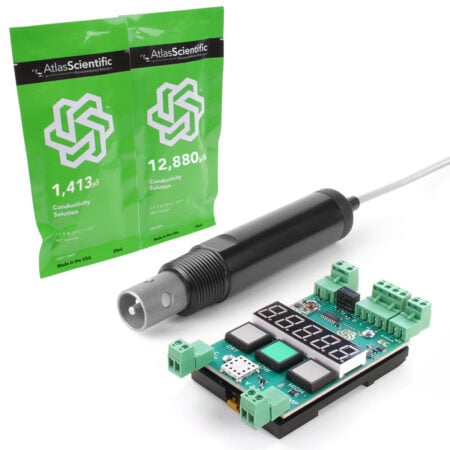
By integrating a reliable conductivity sensor into treatment process control systems, operators gain contextual insight that amplifies the value of BOD and COD measurements. Instead of waiting for lab results alone, they can watch trends, catch problems early, and optimize response.
Imagine a wastewater treatment facility that receives variable influent from residential and industrial sources. On some days, COD tests show healthy values. On others, COD unexpectedly spikes.
Rather than waiting for each COD result, operators monitor supporting parameters:
By correlating these real-time data streams, operators can detect patterns before COD measurements arrive from the lab. For instance, a sudden drop in DO combined with rising conductivity may indicate an incoming high-load discharge.
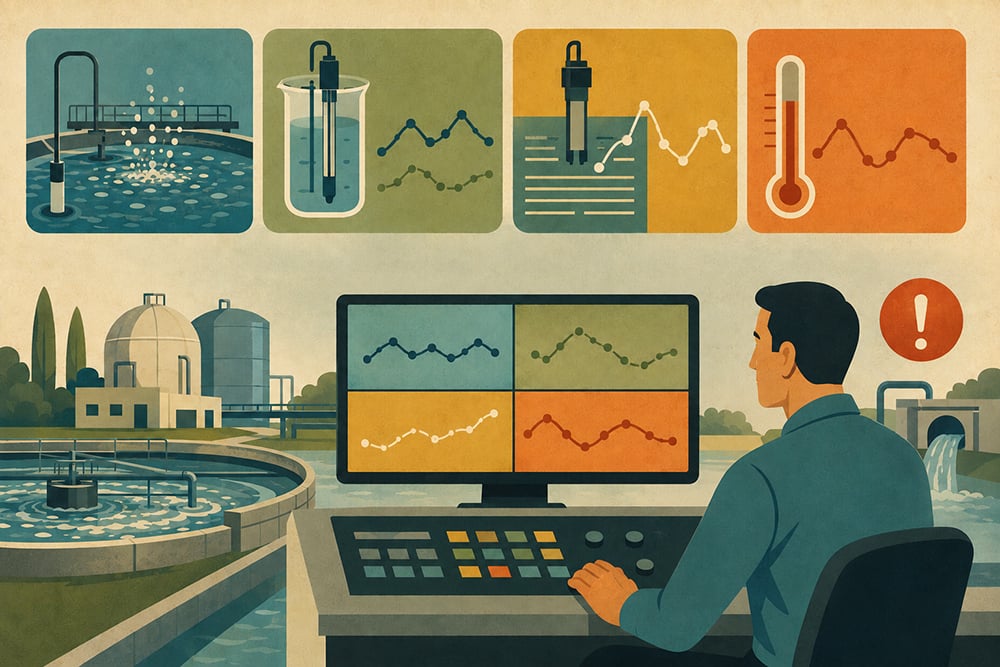
These predictive insights help operators manage aeration, adjust treatment stages, and prevent permit violations.
When we talk about BOD vs COD, the comparison is valuable not because one metric is “better,” but because each tells a different part of the water quality story.
BOD answers how much oxygen microbes will consume over time. COD tells the broader chemical oxidation potential. Used together, they help operators design, optimize, and regulate treatment systems with confidence.

In an age where water resources are strained and regulatory requirements tighten, understanding these metrics isn’t optional. It’s foundational to effective water quality management. And while lab procedures continue to matter for robust measurement, modern water quality monitoring technologies, from dissolved oxygen probes to pH sensors, are enabling faster responses, deeper insights, and more resilient systems.
If you would like to learn more about biological oxygen demand or chemical oxygen demand, or need guidance selecting the best water quality monitoring probes and sensors, reach out to the world-class team at Atlas Scientific.

Indoor air quality can have a major impact on the comfort and productivity of homes, offices, schools, laboratories, and industrial facilities. Carbon dioxide buildup, poor
UART and I2C are serial communication protocols, but they serve different purposes. UART is typically used for direct device-to-device communication and requires dedicated connections. I2C