

Blog
The Best Indoor Air Quality Monitors
Indoor air quality can have a major impact on the comfort and productivity of homes, offices, schools, laboratories, and industrial facilities. Carbon dioxide buildup, poor




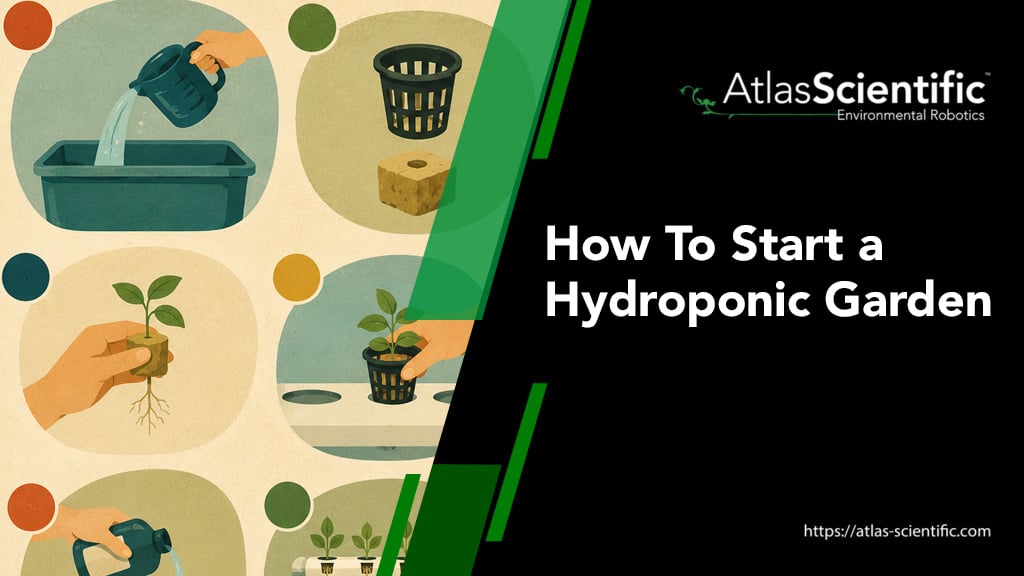
Choosing a system type (such as Deep Water Culture or Nutrient Film Technique), a growing medium (such as rockwool or clay pebbles), and a balanced nutrient solution are the first steps in starting a hydroponic garden. After that, it comes down to maintaining the chemistry of your water, particularly the pH, electrical conductivity, and dissolved oxygen levels. Select a crop that grows quickly, such as basil or lettuce, set a timer for your lighting, and check your solution every few days. If you master those basics, everything else will fall into place.
Hydroponics no longer focuses on the preserve of commercial greenhouses or scientific labs. Driven by advances in LED lighting, probes & sensors, and water chemistry, hydroponics has become accessible to anyone with a spare space and the curiosity to grow food without soil. However, most beginner guides treat hydroponic growing as a lifestyle project rather than the precise science it actually is. This guide does quite the opposite; it explains the why behind every decision – the chemistry, physics, and biology, so that you can build a system that works rather than one that simply looks good on a shelf.
At its core, hydroponics removes soil from the equation and replaces its functions with engineered nutrient solutions. Soil typically serves three roles: nutrient storage, mechanical anchoring, and a reservoir of microbial activity that makes those nutrients available to crops.
Hydroponics is extremely rewarding. Ongoing research shows that hydroponically grown crops can achieve yields 20-25% higher than soil-grown crops. Plus, in hydroponics, they can mature in roughly half the time, largely because plants have uninterrupted access to oxygenated water and perfectly calibrated nutrition.
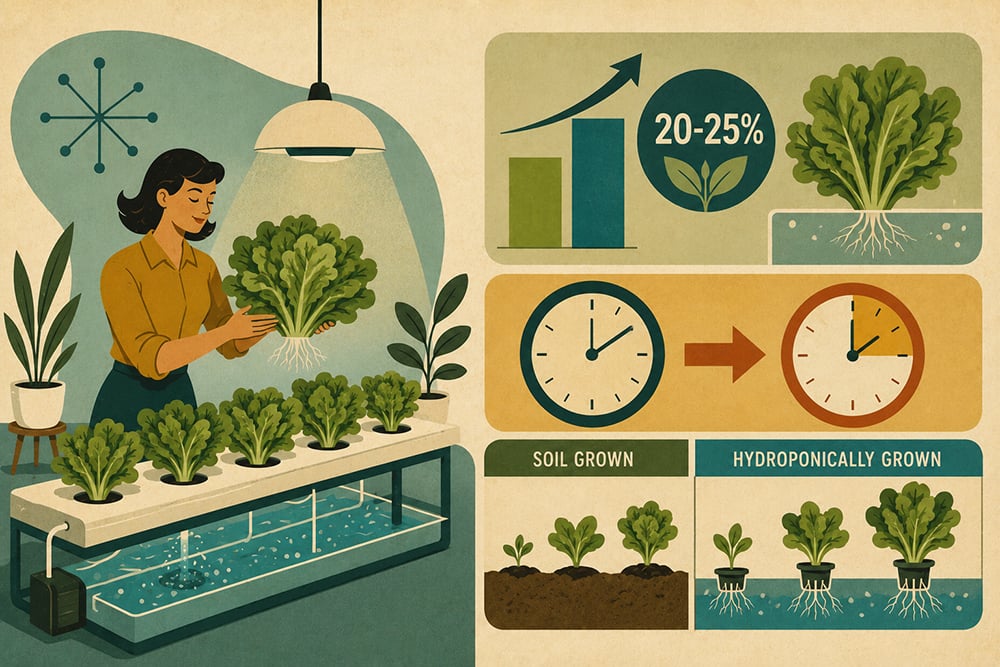
In a hydroponic system, a growing medium provides anchoring, a nutrient solution delivers minerals in ionic form directly to the root zone, and the grower (often aided by advanced sensors) manages the chemistry that would usually be handled by soil microbes.
As ions dissolve directly in water, plant roots can readily absorb them without expending energy on releasing compounds into the surrounding root zone or forming mycorrhizal partnerships. This efficiency is the main reason hydroponic crops grow more rapidly and consume less water than soil crops, typically using 90% less water through recirculation systems.
Before spending money, match the type of hydroponic system design to your space, budget, and target crops. Each of the main configurations has a distinct mechanism:
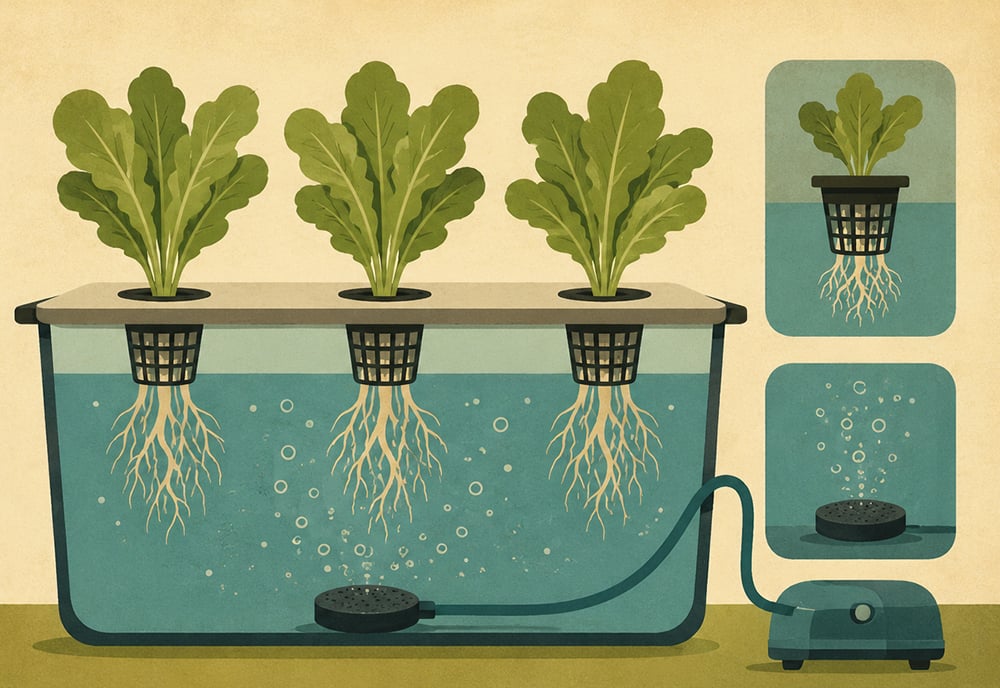
Plants are suspended above a reservoir of nutrient solution, with their roots submerged directly in the water. An air pump continuously oxygenates the solution. DWC is the simplest system mechanically and is excellent for leafy greens and herbs. Its single vulnerability is power failure: without continuous oxygenation, roots begin to suffer within hours.
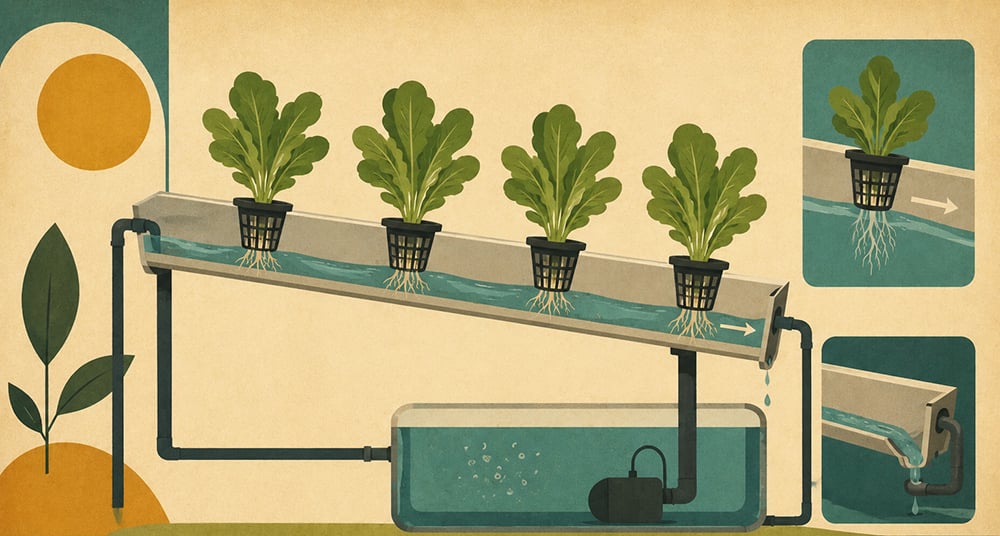
In this system, a shallow stream of nutrient solution continuously moves through slightly inclined channels, passing over the plant roots. Only the lower portion of the roots remains in contact with the flowing solution, while the upper section is exposed to air. This arrangement allows plants to absorb nutrients while maintaining strong oxygen availability at the root zone. Because of this balance, NFT systems are particularly effective for lightweight, fast-growing crops such as lettuce, herbs, and basil.
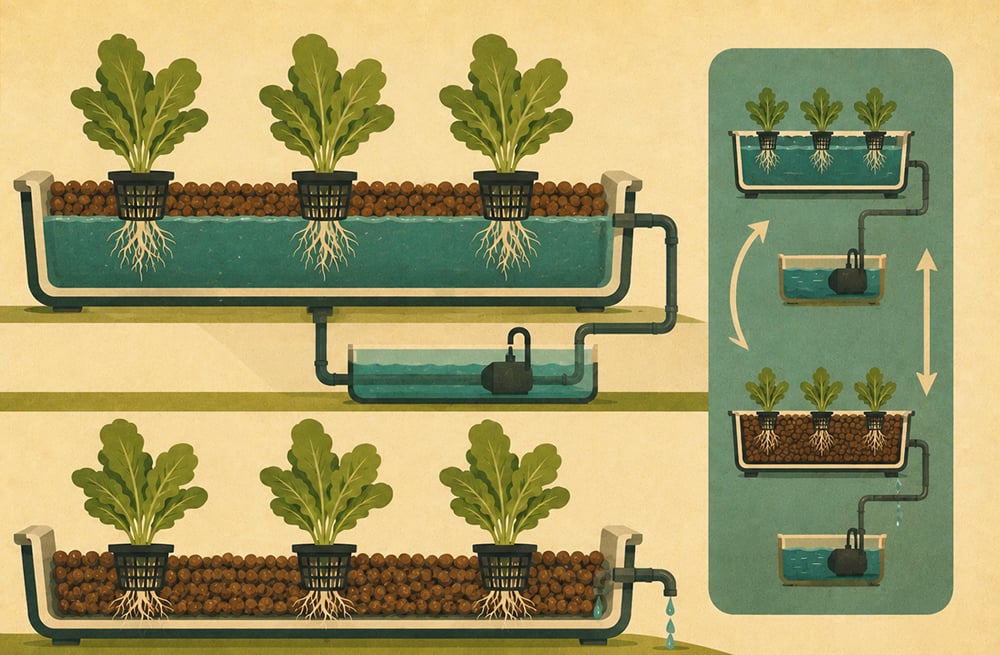
The Ebb and Flow method operates by periodically filling a growing tray with nutrient solution and then allowing it to drain back into a storage tank. During the flooding stage, plant roots absorb water and nutrients, while the draining phase pulls fresh oxygen into the root environment. The repeating flood-drain cycles create a well-aerated root zone and make the system adaptable to various growing media. It is also considered relatively resilient during short power outages because the roots are not constantly submerged.
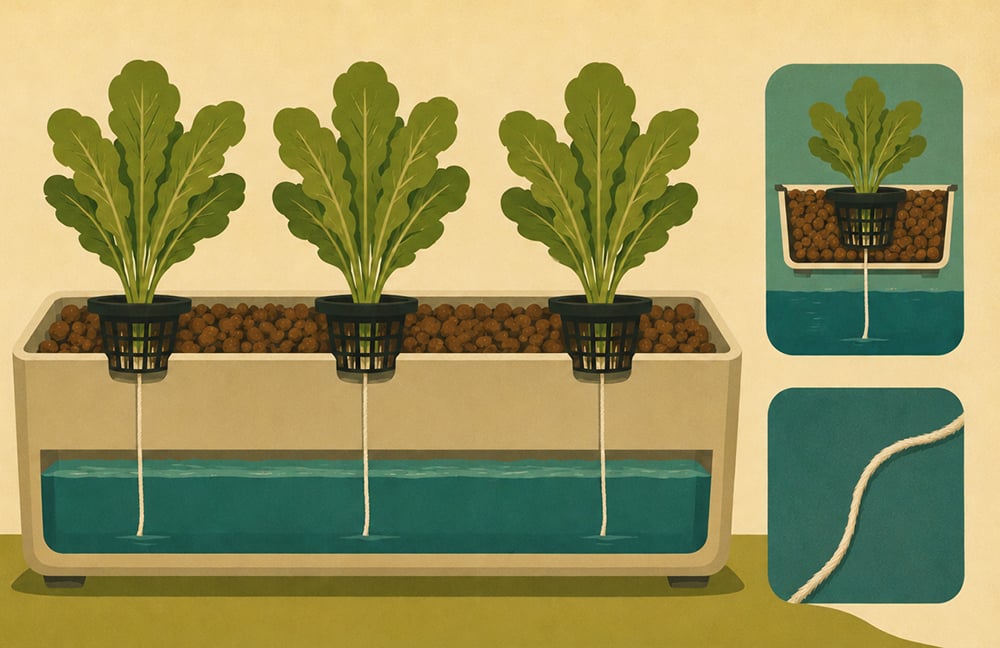
The wick system is the most passive of all designs. Absorbent wicks draw nutrient solution from a reservoir to the growing medium by capillary action alone, no pumps, no electricity. The trade-off is delivery speed: capillary flow is too slow for large, thirsty plants like tomatoes or cucumbers, making wicks best suited to herbs and smaller crops.
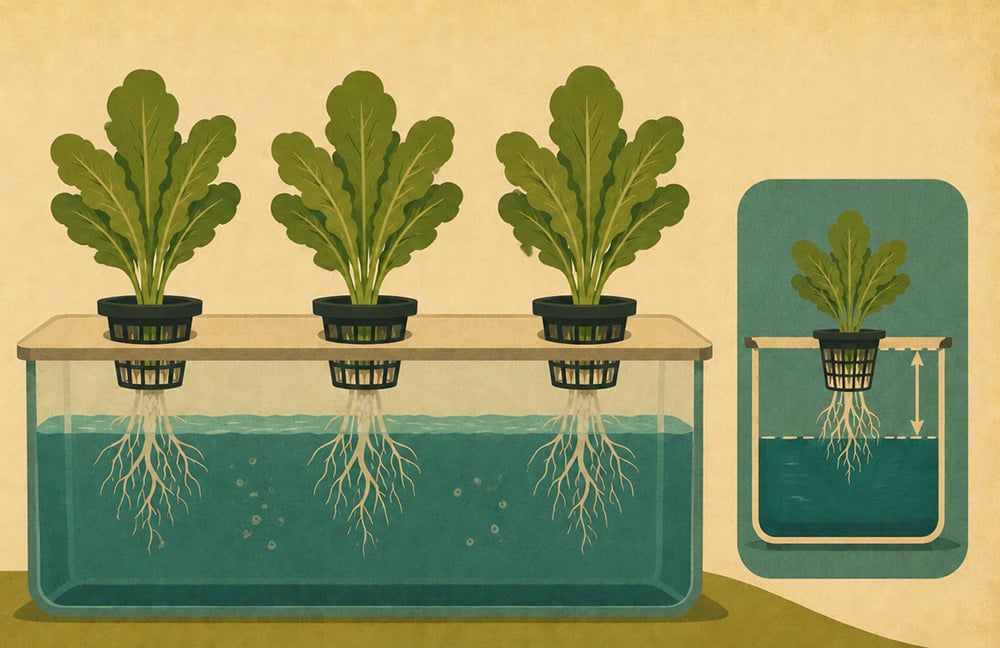
The Kratky method is a static, non-circulating variant of DWC in which a deliberate air gap forms between the surface of the nutrient solution and the underside of the net pot as the plant draws water. This gap provides passive root-zone oxygenation. No pump is required, making Kratky perhaps the most accessible entry point for absolute beginners.
Because the medium provides no nutrition of its own, your only concerns are structure, drainage, and pH neutrality. The most widely used options are:
Made from spun basalt fibres, it retains moisture while maintaining adequate air porosity. Pre-soak in a pH 5.5 solution before use to neutralise its naturally alkaline pH.
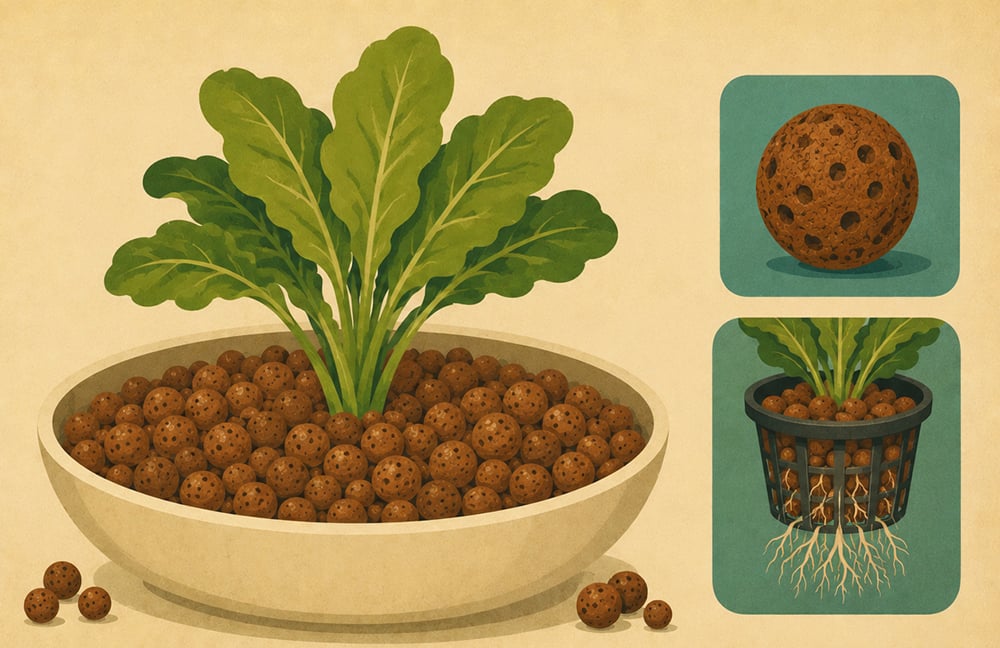
Porous, reusable, and pH-neutral. Excellent drainage and aeration, though it requires more frequent irrigation than rockwool.
Volcanic glass particles have a very low density and are often blended with other media to improve drainage. It can act as a standalone medium in wick-and-drip systems.
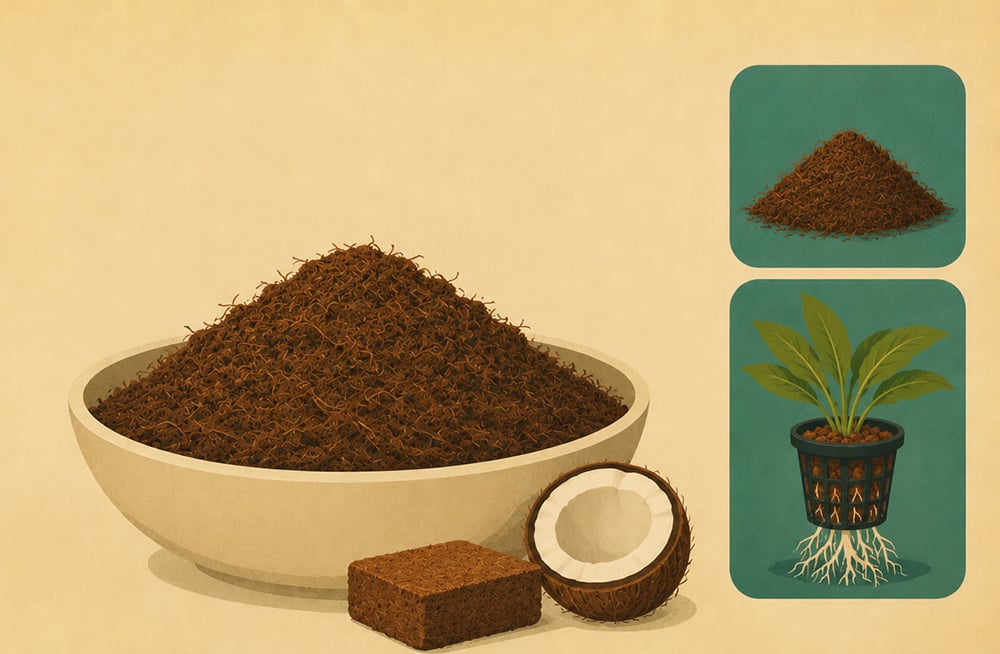
A by-product of coconut processing. Slightly acidic (pH 5.8–6.8), with a naturally high cation exchange capacity, meaning it can buffer minor fluctuations in nutrient availability.
This is where hydroponics diverges most sharply from gardening guides that treat nutrients as an afterthought. Plant roots in a hydroponic system absorb minerals as free ions; the chemistry of your solution determines both what is available and how much the plant can actually take up.
Plants require three primary macronutrients in large quantities: nitrogen (N), phosphorus (P), and potassium (K), as well as secondary macronutrients calcium (Ca), magnesium (Mg), and sulphur (S). Micronutrients, including iron, manganese, zinc, boron, copper, and molybdenum, are required in trace amounts but are nonetheless essential for enzyme function and chlorophyll synthesis.
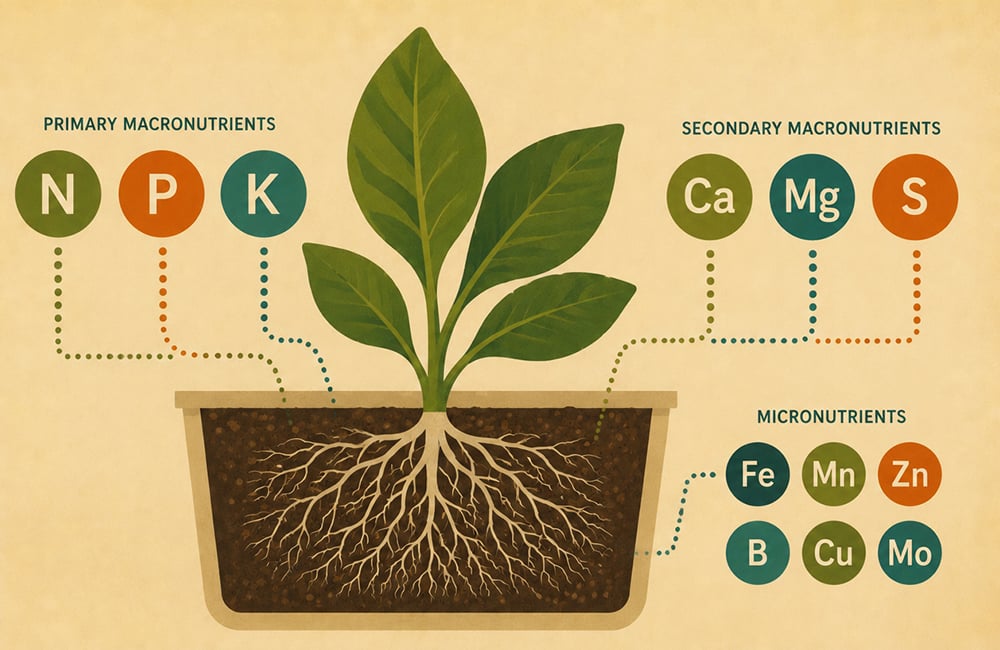
A quality two- or three-part hydroponic nutrient concentrate will supply all of these in appropriate ratios for the growth stage.
Even a perfectly formulated nutrient solution becomes ineffective if the pH is wrong. At the wrong pH, ions precipitate out of solution or become chemically bound in forms that plant roots cannot absorb, a phenomenon known as nutrient lockout. The optimal pH range for most hydroponic crops is 5.5–6.5, with most growers targeting 6.0 as the central value.
pH monitoring is therefore not optional; it is the single most important measurement in any hydroponic system. Invest in a properly calibrated pH sensor rather than relying on test strips, which lack the resolution to detect the small deviations that cause problems. Atlas Scientific’s pH probes and EZO™ circuits are designed to offer laboratory-grade accuracy in embedded applications, making them well-suited to continuous in-line monitoring.
Electrical conductivity measures the total concentration of dissolved ions in your solution; in practice, the strength of your nutrient feed. It is expressed in millisiemens per centimetre (mS/cm). A low EC indicates a dilute solution that may starve your plants; a high EC signals over-concentration that can cause osmotic stress and tip burn.
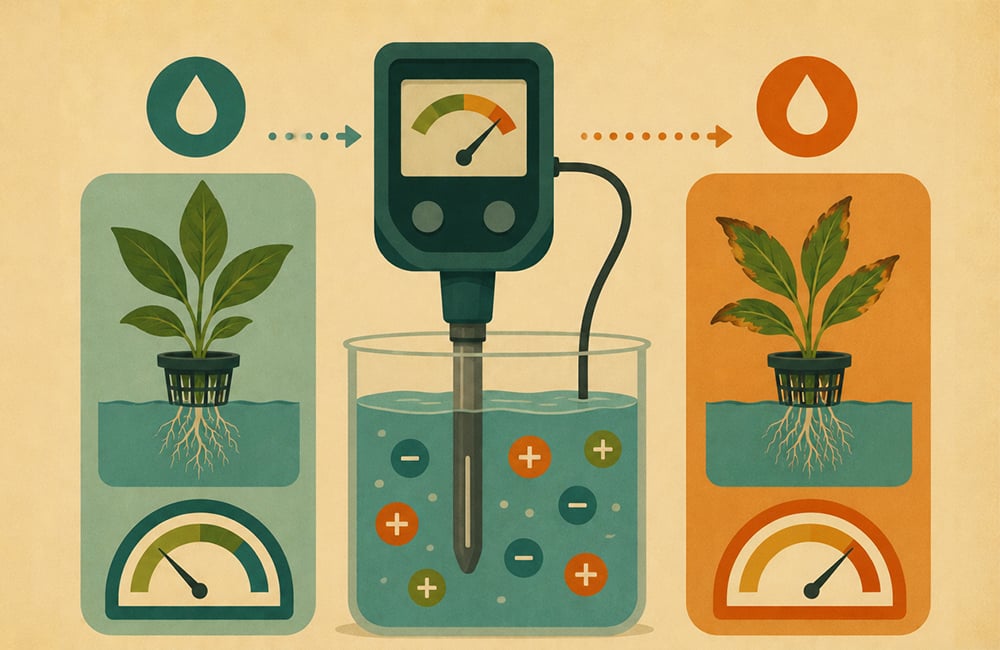
Typical EC targets vary by crop and growth stage: leafy greens generally perform well at 1.2-2.0 mS/cm, while fruiting crops like tomatoes may require 2.0–4.0 mS/cm at peak production. Because EC and pH interact, as pH rises, the concentration of H⁺ ions falls, which affects conductivity. Monitoring both parameters together gives a far more complete picture of solution quality than either alone. Atlas Scientific’s guide to EC in hydroponics provides an authoritative breakdown of target values by crop.
An important but frequently overlooked detail: both pH and EC readings are temperature-dependent. A solution at 30°C will give a different raw conductivity reading than the same solution at 20°C, even though the ionic content is identical.
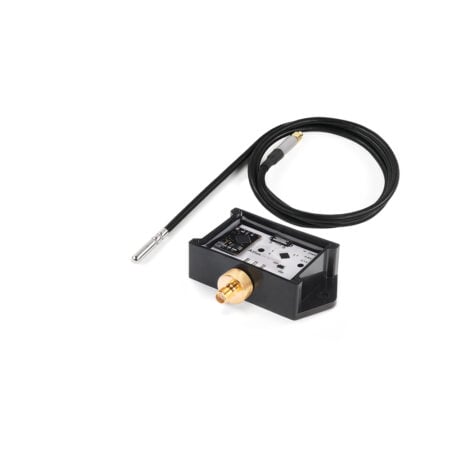
Accurate monitoring requires either a thermistor-compensated instrument or a dedicated temperature probe that feeds real-time correction data to your pH and EC circuits. This is why professional-grade systems pair an RTD temperature sensor with their water quality instruments.
Dissolved oxygen (DO) is the most commonly neglected parameter in beginner hydroponic setups, yet it is arguably as important as pH. Plant roots require molecular oxygen (O₂) dissolved in the nutrient solution to perform cellular respiration. Without sufficient DO, roots switch to anaerobic fermentation, which is energetically inefficient, produces ethanol as a by-product, and rapidly leads to root rot.
In soil, roots access atmospheric oxygen through the pore spaces between particles. In a hydroponic system where roots are submerged, the only oxygen available is what is dissolved in the water. Cold water holds more oxygen than warm water, which is why maintaining solution temperature below 22°C is strongly advisable; above this, DO saturation drops sharply as pathogen activity increases.
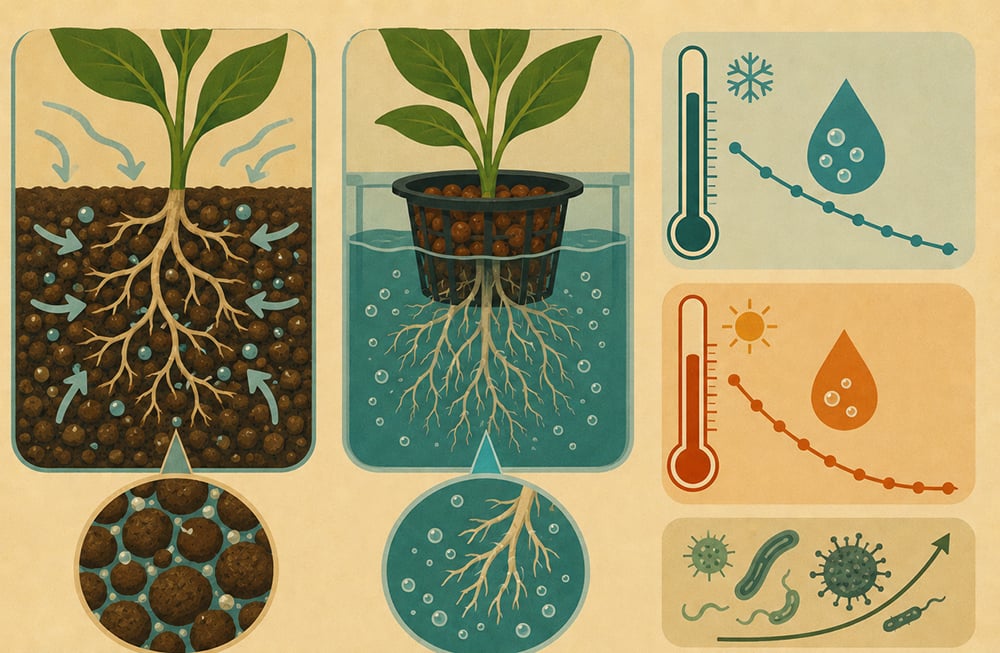
Target DO levels of 7–8 mg/L or above. Maintain them through air stones, air diffusers, or by designing your system to create turbulence at the water surface. For a thorough treatment of why this matters, Atlas Scientific’s article on dissolved oxygen in hydroponic systems is an essential read. Their EZO-DO™ dissolved oxygen circuit enables real-time, temperature-compensated DO measurement in embedded systems.
Your first hydroponic system should teach you the most while incurring the least risk. Begin with fast-cycling, forgiving crops that give you rapid feedback.
Crops we recommend for beginners:
Top Tip: Avoid starting with large-fruiting or deep-rooted crops such as full-size cucumbers, squash, or root vegetables, which require more sophisticated root support and longer, more complex growing cycles.
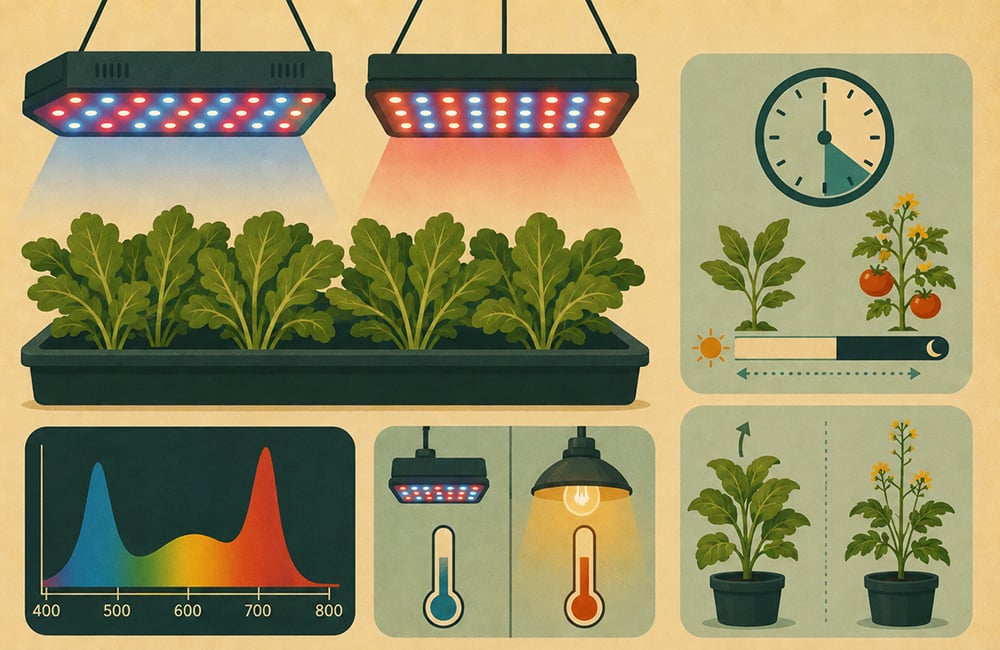
Photosynthesis is driven by specific wavelengths of light, primarily in the red (630–700 nm) and blue (400–500 nm) ranges. Full-spectrum LED grow lights that emphasise these wavelengths are now the preferred choice for most indoor growers, combining energy efficiency with precise spectral output. High-pressure sodium (HPS) lamps produce effective red-spectrum light but generate considerably more heat, which can raise solution temperatures and reduce DO saturation. Use a simple timer to maintain consistency; disrupted photoperiods can trigger premature bolting in leafy crops or poor fruit set in flowering ones.
A hydroponic system is a closed or semi-closed chemical system that will drift over time. Nutrients are consumed, water evaporates (raising EC as solute concentration increases), pH shifts as plants preferentially absorb certain ions, and oxygen levels fluctuate with temperature and activity. Without regular monitoring, small problems compound quickly.
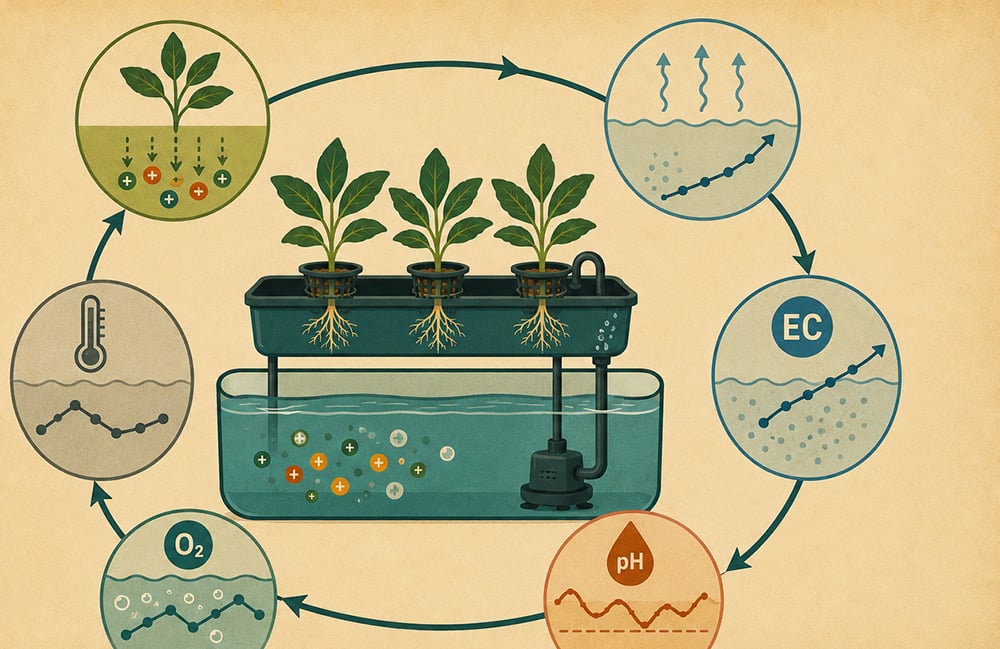
Adopt the following baseline schedule:
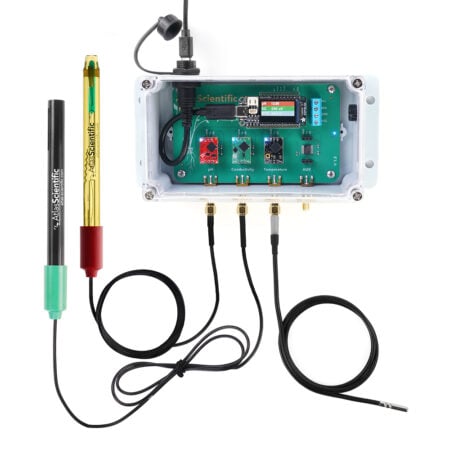
For growers seeking greater precision without constant manual testing, continuous monitoring systems are available. The Atlas Scientific Wi-Fi Hydroponics Kit automatically monitors pH, EC, and temperature, with temperature-compensated readings uploaded to a cloud dashboard, eliminating manual guesswork and creating a data log that helps identify trends before they become problems.
Starting a hydroponic garden is a compelling combination of applied chemistry, environmental engineering, and hands-on biology. The growers who succeed long-term are those who treat water quality measurements not as a chore but as the primary language through which their plants communicate their needs.
Begin with a simple system, a single crop, and a commitment to measuring pH and EC consistently. Once you understand how those two parameters interact with plant health, adding layers of sophistication, automated monitoring, dissolved oxygen sensors, and multi-zone systems becomes a natural and enjoyable progression rather than an overwhelming leap.
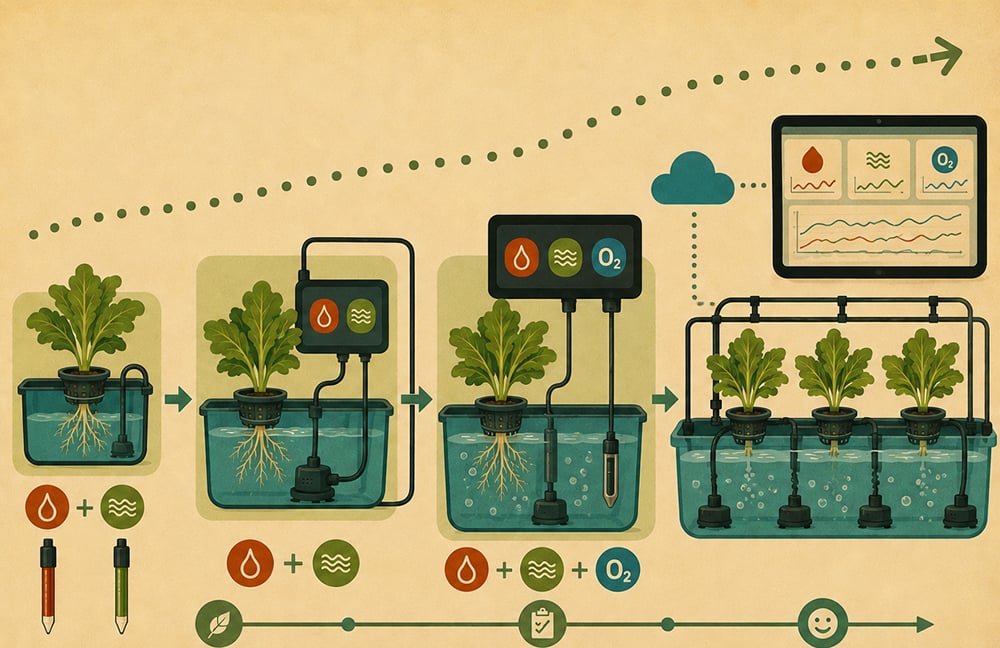
If you would like to learn more about water chemistry in hydroponics or are unsure which probes and sensors your system requires, don’t hesitate to contact the world-class team at Atlas Scientific.



Indoor air quality can have a major impact on the comfort and productivity of homes, offices, schools, laboratories, and industrial facilities. Carbon dioxide buildup, poor

UART and I2C are serial communication protocols, but they serve different purposes. UART is typically used for direct device-to-device communication and requires dedicated connections. I2C