

Blog
The Best Industrial Conductivity Transmitters
Conductivity is one of the most important measurements in industrial water systems. From water treatment and hydroponics to chemical processing and manufacturing, conductivity provides a






ORP probes can have problems that cause values to drift, response times to be slow, or readings that don’t make sense. Things like dirty electrodes, blocked reference junctions, broken cables, calibration problems, or exposure to strong chemicals are often to blame for these problems. This useful troubleshooting guide goes over the most common problems with ORP probes, what causes them, and how to spot them in real systems so you can quickly figure out why your readings might not be accurate.
An oxidation-reduction potential (ORP) probe is one of the most valuable equipment tools in any water treatment or industrial application. When functioning properly, an ORP probe provides real-time data, showing the oxidizing or reducing state of a water sample. If it stops working, the problem is usually invisible, but the reading is still there. However, the number will be wrong, and the wrong data can be worse than no data being collected at all!
If your ORP readings are experiencing drift, have spikes or stall, or simply get you thinking about what is going on with the application, this guide is here to walk you through why this could be happening.
Before we dive into why the problem may have occurred, you should understand what a fully functioning and healthy ORP probe looks like. This will be the single most useful skill you will take away today.
So, first place your ORP probe in Zobell’s solution (calibration solution) or a quinhydrone buffer solution at a known temperature – measure the temperature with a temperature probe to be sure. If your ORP probe is healthy, it will settle within +/- 15 mV of the expected value within one minute, and it will hold that reading steady for several minutes thereafter. The monotonic response should be smooth when moved from one standard to another, and it should recover quickly when returned to an unknown solution after being in the processed solution.
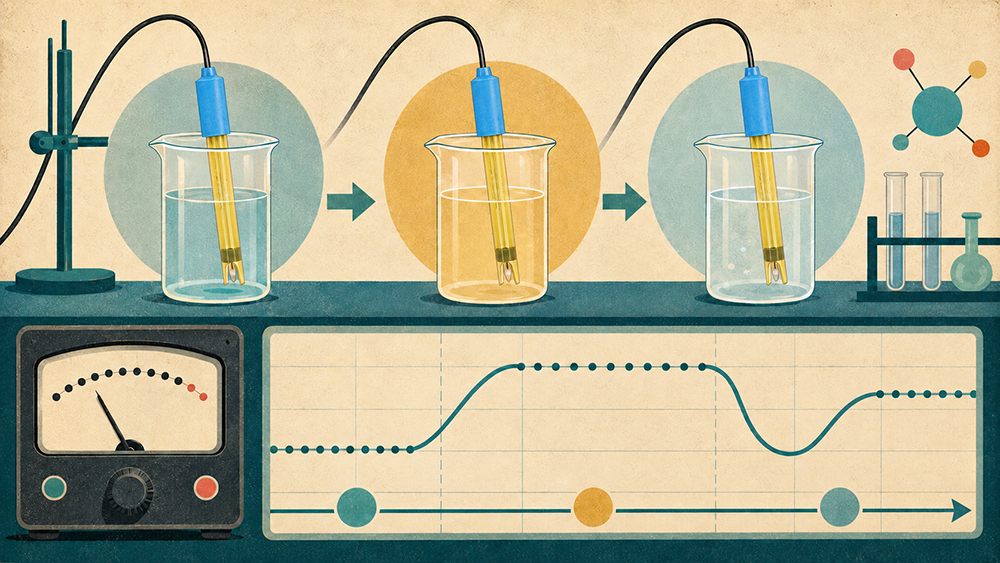
Any deviation from the above behaviour is a symptom of poor ORP probe function. However, if your probe was stable and held the value, it is healthy. Once you understand what a healthy ORP probe looks like, probe failure is much easier to diagnose.
Slow drift is the most common ORP complaint we receive, and it is almost always caused by one of the issues mentioned above.
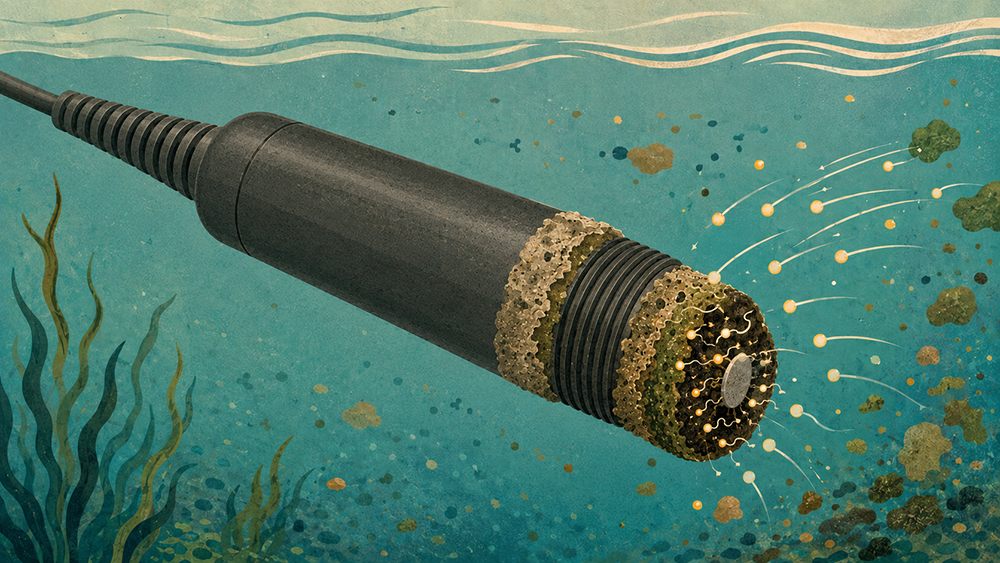
The most likely culprit is electrode surface fouling. The platinum measuring surface on ORP probes exchanges electrons with water, so anything that coats the surface interferes with the electron exchange, causing the results to drift. Fouling causes readings to lower gradually over time as the probe cannot be responsive when covered in oil, scale, biofilm, or suspended solids.
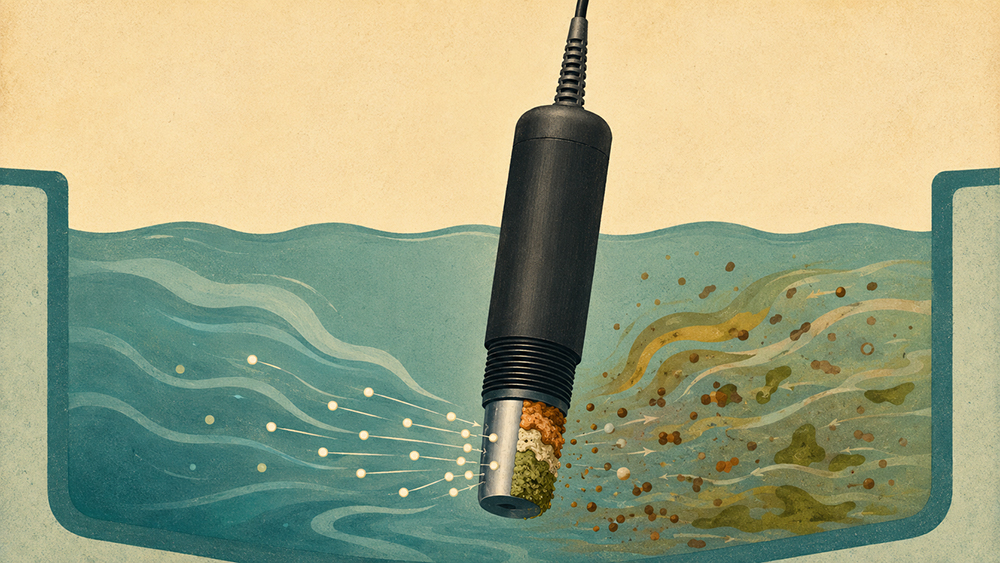
The fix is to simply clean the probe. But the method depends on what has caused the fouling. For typical organic films, soak the ORP probe in dilute isopropyl alcohol, followed by a thorough clean water rinse. If the probe has scale or mineral deposits, a quick soak in dilute hydrochloric acid (4-5%) for a couple of minutes will dissolve most of the scaling. For stubborn biofilm, a dilute bleach soak followed by rinsing usually works well, but this should only be used occasionally, as repeated oxidizer exposure over time can damage the reference system. After cleaning, rinse the probe thoroughly and verify its performance in a fresh ORP standard. If the reading is outside specification, then recalibrate the ORP probe.
The second cause of probe drift is reference electrode contamination. All ORP probes have a reference electrode (usually silver/silver chloride) that provides the stable voltage against the platinum electrode. The reference cell connects via a small porous junction, which, if clogged, can cause shifting and drifting of the entire ORP probe. This failure is more challenging as it often damages the inside of the probe, not just the external surface. We recommend soaking the electrode junction in a lukewarm potassium chloride solution. This sometimes will restore the flow, but if the ORP probe continues to drift, then it will likely need replacing.
The third and final cause of ORP probe drift is electrode poisoning. This can happen if the ORP probe has been exposed to cyanides, sulfides, or heavy metals that have chemically bound to the platinum surface. This is usually permanent, and there is no going back. The solution is a probe replacement.
Most healthy ORP probes respond within seconds to a minute depending on the chemistry of the solutions. If it is taking a few minutes or longer to settle, it could be drift, but usually the underlying cause is more serious.
A sluggish functioning ORP probe is almost always a heavily fouled probe. The difference between the fouling causing drift and the fouling causing slow response times is that the fouling has progressed to where the electron exchange takes place at the platinum surface. You should run the ORP probe through the cleaning steps above (for drift). If it recovers to its usual response time after cleaning, then the problem is solved! But, if it doesn’t, then the bad news is that the platinum surface has been poisoned or etched, and the probe will need replacing.
We recommend taking the ORP probe for a field test to move a suspected damaged probe between two standards of very different ORP values. If the ORP probe is healthy, it should swing between the two extremes within 30 seconds to one minute. If it takes two or more minutes, then it needs replacing.
An ORP probe that refuses to move regardless of what solution you put it in is telling you something very different from a simple drifting probe issue. This is a typical sign of an electrical failure rather than a chemical issue.
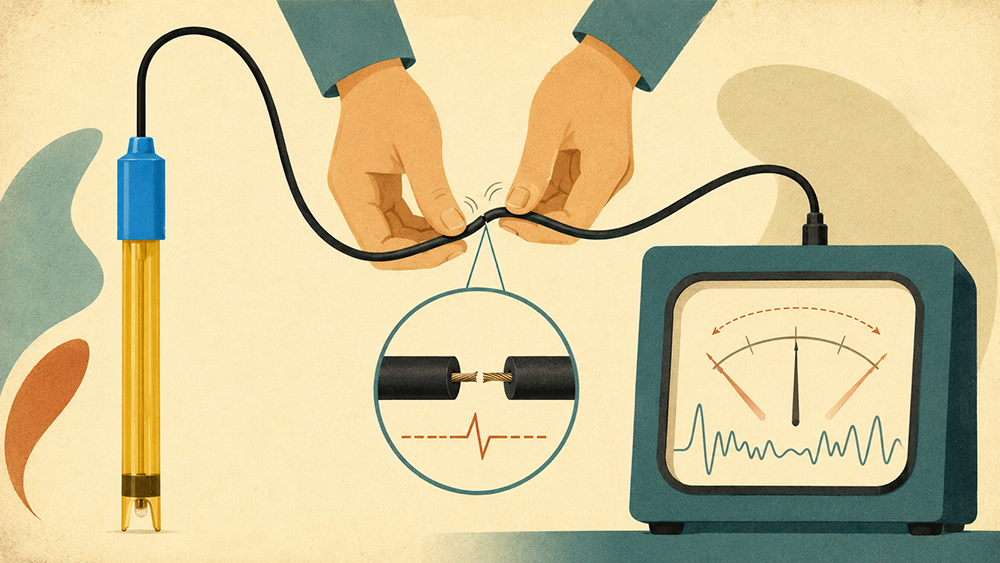
The most common reason is a disconnected or broken cable. ORP probes carry a high-impedance signal. If this becomes damaged or the conductor inside the cable jacket becomes slightly damaged, it can open the signal path. First, inspect the cable (carefully!) all the way. Gently flex it while watching the reading value. If the reading jumps when you move the cable, the conductor is sadly compromised, and the cable will need to either be repaired or replaced.
The second cause of readings stuck is a failed connection between the signal conditioning circuit and the ORP probe. The most common connectors are BNC interfaces, and are unfortunately very vulnerable to corrosion, mechanical damage, or moisture ingress. Gently remove the probe, inspect the ORP probe closely for green corrosion or signs of moisture, and clean it with contact cleaner if it has corrosion.
The third cause is issues in the measurement electronics. This is why intelligent signal conditioning circuits are quite costly. The Atlas Scientific EZO ORP Circuit is built to respond to diagnostic commands and will signal its status, the last calibration values, and the status of the probe signal. If the ORP circuit reports that the probe is healthy but the readings are still stuck, it will be a problem with the probe or cable. If the entire circuit is not responding, the problem is likely upstream of the ORP probe.
The fourth and final cause is less common, but worth ruling out if you’ve had no luck above, and that is that the probe has simply dried out. ORP probes MUST be stored wet, in a solution. If an ORP probe has been allowed to dry out, readings may become unstable or slow to stabilize. Try soaking the dried ORP probe in a pH 4 buffer solution for several hours. This sometimes revives it, but if that fails, then the probe is completely dead – time to replace it.
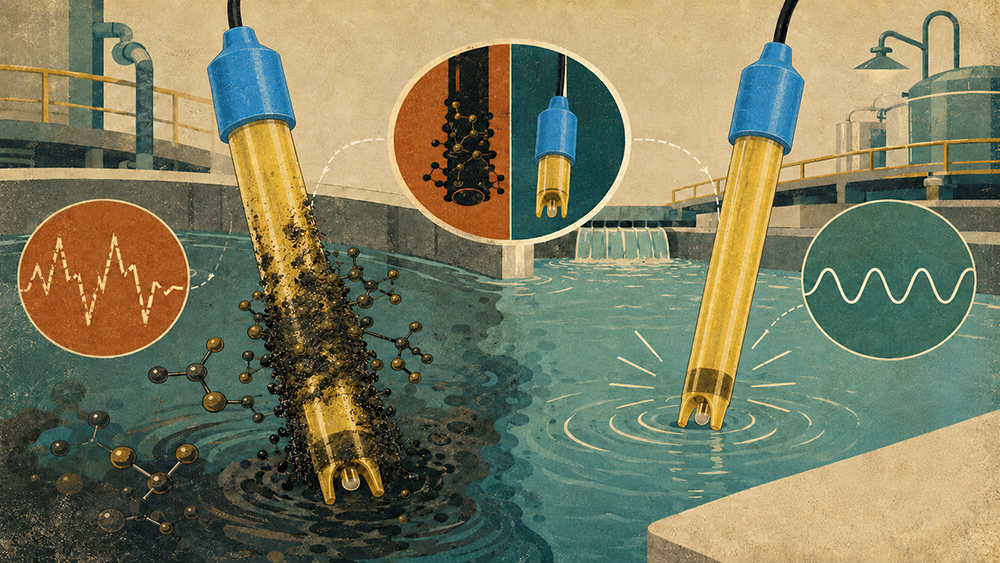
When an ORP probe starts being noisy, it almost always traces back to the measurement environment rather than an issue with the probe. It is likely an issue with ground loop interference. An ORP measurement is a high-impedance differential value, so if the probe is sharing electrical load with something else, like a UV lamp or dosing pump, it may cause the probe to become noisy or cause jumping readings. Atlas Scientific also offers electrically isolated EZO™ carrier boards that eliminate many ground loop problems in embedded systems.
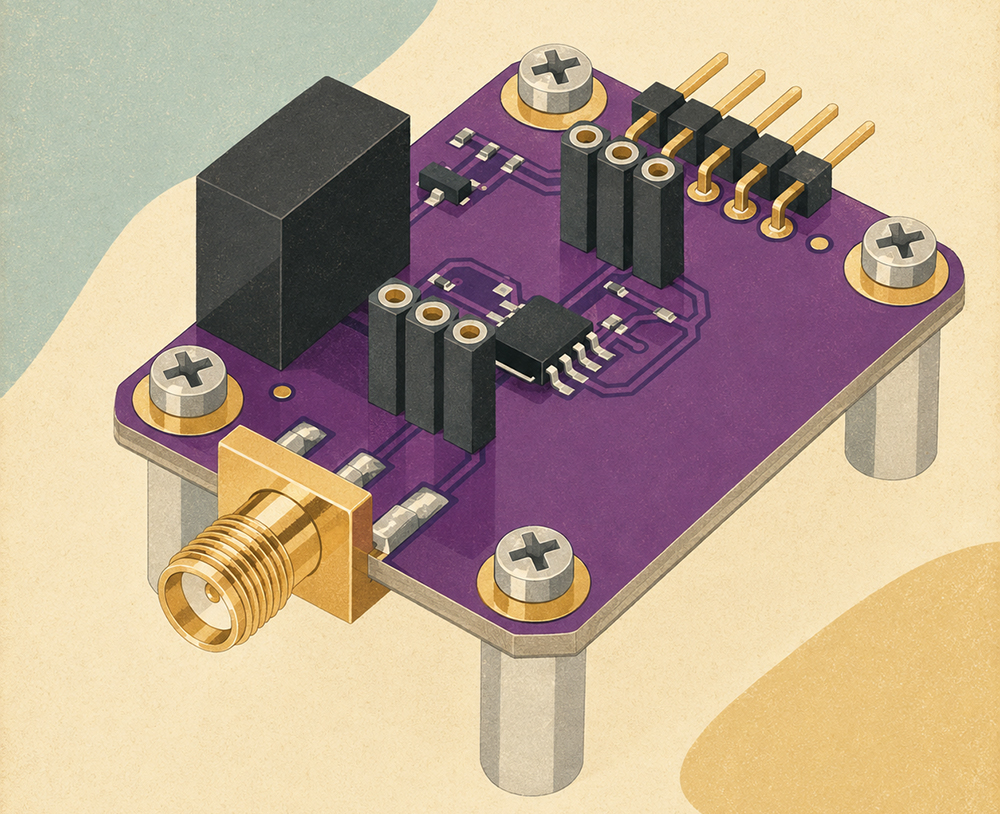
To fix this, you need electrical isolation. This can be installed at the power supply level, or you can add an isolated signal conditioning at the front. This is why the EZO-ORP Circuit is so good – when powered from an isolated supply and connected to the host controller, the ORP probe will always have a clean and noise-resistant operation (in most environments).
The second cause may be a cable routing issue. ORP probe cables should never be run alongside motor leads, VFD cables, or power wiring. The fix for this is simple: reorganize the wiring you have near the ORP circuit.
The third and final cause may be bubbles on the surface sensor. This is less likely, but it is more common in aerated or aggressively mixed environments. The gas bubbles can attach to the platinum tip of the ORP probe, causing rapid changes as they form and detach. This is why ORP probes should be mounted at a slight angle (15-45 degrees). This will help bubbles rise past the probe surface rather than stick to it. You can eliminate this problem by installing the ORP probe in a flow cell with a controlled flow.
If your ORP probe is calibrating fine, but it keeps drifting out of calibration within a couple of hours or days, then the reference standards are compromised, or the probe is probably at the end of its life.
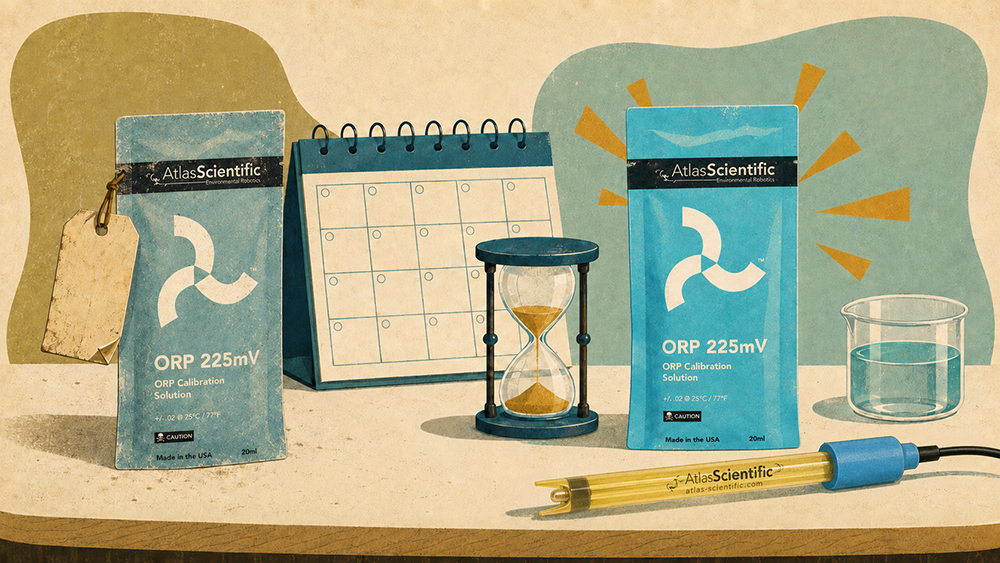
If the calibration is not holding, start with the standards. ORP calibration solutions have a limited shelf life. Check the dates, as it could be as simple as they are out of date, and you need to purchase fresh solutions. Hopefully, this isn’t the issue, but if you have been naughty and poured the solution back into the bottle so you don’t need to buy a new solution, then this could be the cause… You must never reuse calibration solution, as this not only could compromise the remaining solution, but it could damage the probe later on if you were soaking it because of fouling.
However, if you’ve checked the solutions and they are in date but your ORP probe is still not holding, the probe’s reference electrode has probably degraded. When a reference electrode is nearing the end of its life, it typically drifts for a couple of hours and fluctuates in an unstable state. This is a terminal condition for an ORP probe. Simply replace it.
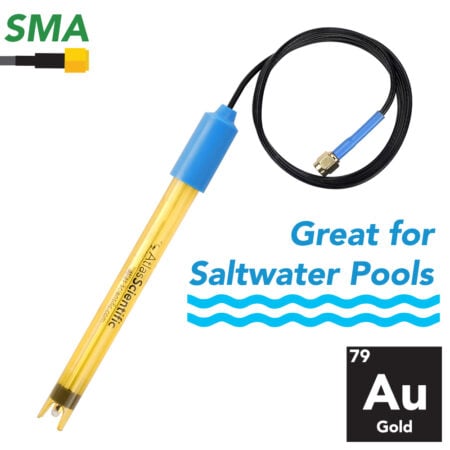
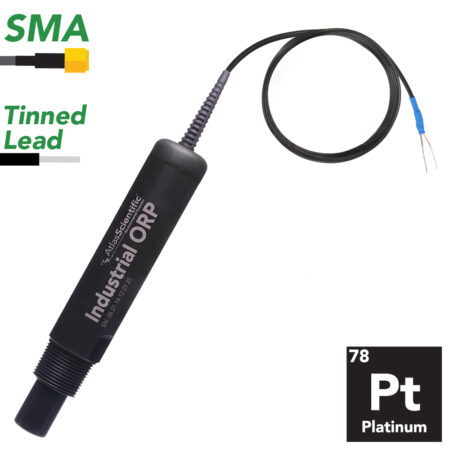
Atlas Scientific’s ORP probes are designed with all this in mind. The Consumer-Grade ORP Probe is designed for lighter applications where replacement is needed every one to two years. For harsher environments, the Industrial ORP Probe is manufactured with a heavier-duty reference system designed for three or more years of use.
An ORP probe that continuously reads too high or too low, even after calibrating, usually points to one of two causes.
First, the conditions of the process may be different from the conditions of the calibration. For example, temperature changes both the probe’s reference potential and the chemistry of the solution. A probe set to 22 °C will read differently in 45 °C cooling water because the chemistry has changed, not because the probe is broken. For best results, calibrate close to the temperature at which it will be used.

Second, the reference electrode may have moved. The silver/silver chloride reference can change over time because of changes in chloride concentration, clogged junctions, or contamination from the process. This makes the reading stable but not quite right. If the calibration is correct in the standards but the offset keeps happening in the process, the probe is probably about to be replaced.
An ORP probe that passes the calibration process and then rapidly shows meaningless values is almost always experiencing chemical shock – Even industrial ORP probes have chemical compatibility limits .
Common causes include being exposed to high levels of sulfides (often from anaerobic zones), cyanides, strong reducing agents, or hydrofluoric acid without warning. Any of these things can get on the platinum surface in a matter of minutes. The answer is upstream: find out where the exposure is coming from, eliminate or buffer it, and replace the probe.
Another option is damage to the body. You shouldn’t put ORP probes where moving parts can hit them, where flow with a lot of particles can erode them, or where valves can cause pressure shocks. Probes that are put downstream of slamming check valves often break quickly. Put probes in places where the flow is smooth and there isn’t much disturbance. The best way to do this is with a properly designed in-line fitting.
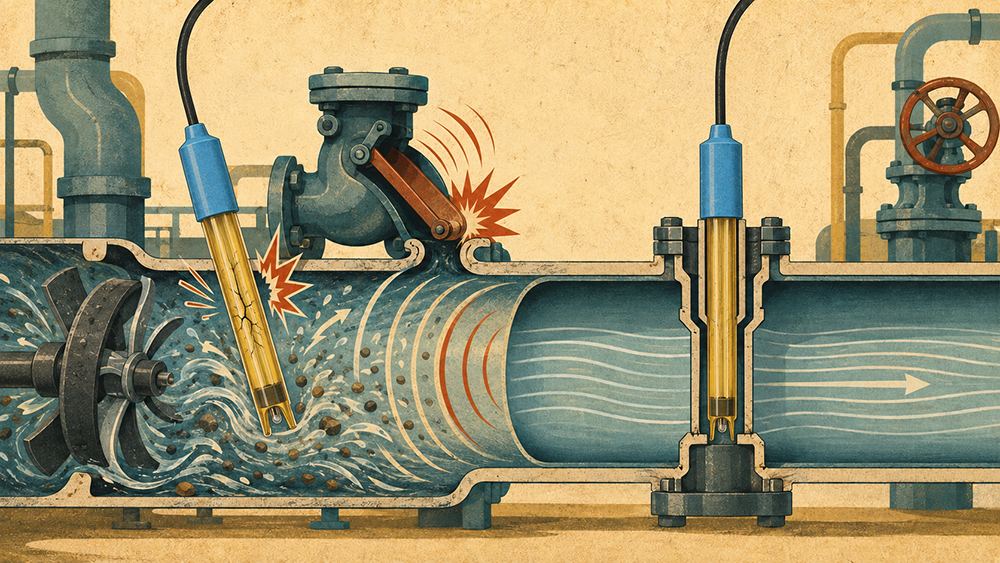
The biggest predictor of an ORP probe lifespan is not always probe quality, but installation quality and maintenance. Probes installed incorrectly or poor maintenance routines can cause the ORP probe to start drifting and eventually fail.
Atlas Scientific’s ORP probes are designed to last if cared for and stored properly. The EZO ORP Circuit stores calibration history and helps with rapid calibration. When ORP probes are healthy, ORP measurements are one of the most valuable variables in any water system. When they start to fail, the cost of bad data soon piles up.
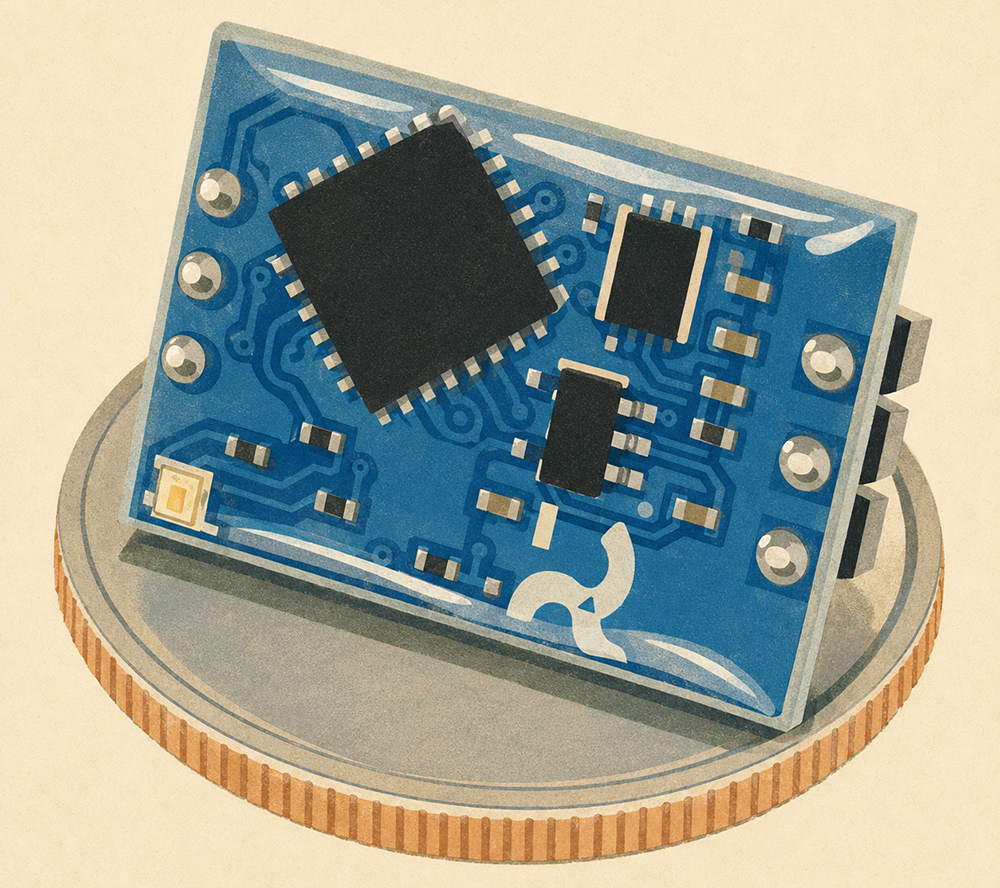
If you are having issues with your ORP probe or would like to learn more about our durable and reliable ORP probes we offer, do not hesitate to contact the world-class team at Atlas Scientific.


Conductivity is one of the most important measurements in industrial water systems. From water treatment and hydroponics to chemical processing and manufacturing, conductivity provides a

When a process requires more than one chemical, nutrient, reagent, or additive, using several independent dosing pumps can quickly become complicated. A multi-pump dosing system