

Blog
The Best Indoor Air Quality Monitors
Indoor air quality can have a major impact on the comfort and productivity of homes, offices, schools, laboratories, and industrial facilities. Carbon dioxide buildup, poor




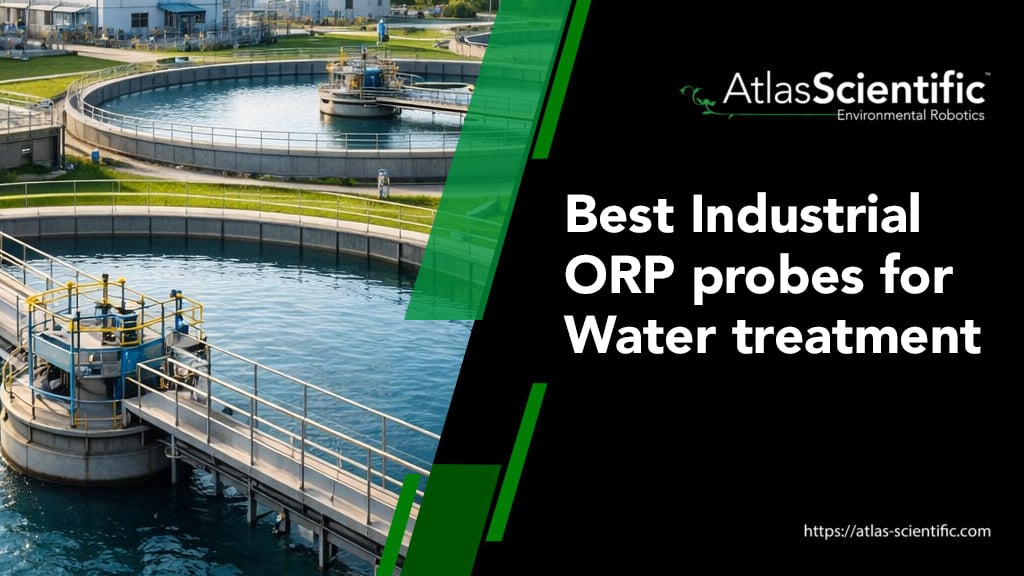
In modern water treatment systems, oxidation-reduction potential (ORP) measurement plays a critical role in maintaining water quality, ensuring effective disinfection, and optimizing chemical dosing. ORP sensors are commonly used to monitor processes such as chlorination, ozonation, and wastewater treatment, where maintaining the correct oxidative balance is essential for both safety and efficiency. A reliable ORP probe helps operators prevent under- or over-dosing chemicals, reduce operational costs, and maintain compliance with regulatory standards.
Choosing the right industrial ORP probe, however, is not always straightforward. Facilities must consider factors such as sensor durability in harsh environments, long-term measurement stability, ease of installation, maintenance requirements, and compatibility with control systems. Additionally, with the growing demand for automation and remote monitoring, integration flexibility has become just as important as measurement accuracy.
In this article, we compare five leading industrial ORP probe brands used in water treatment: Atlas Scientific, Sensorex, Hach, Myron L, and Endress+Hauser. Each offers solid performance, but one clearly stands out from the rest.
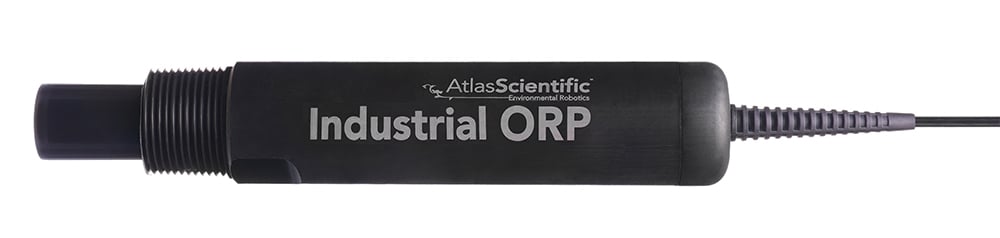
Atlas Scientific has built a strong reputation for delivering highly reliable, developer-friendly sensors. Their industrial ORP probe is designed with a rugged housing and practical installation features like a ¾” NPT threaded body, making it ideal for inline systems and process environments.
From a performance standpoint, the Atlas probe delivers high-accuracy ORP measurements comparable to lab-grade sensors, while maintaining stability over long periods of use. The probe typically measures across a wide ORP range (±2000 mV) with high precision, making it versatile across multiple treatment scenarios—from chlorination control to advanced oxidation processes.
Another often overlooked but valuable feature is traceability and quality control. Each probe comes with a unique serial number, allowing operators to track calibration history, maintenance schedules, and deployment across systems—an important factor for regulated industries and large-scale facilities.
Verdict: The best combination of performance, flexibility, and value; Especially for modern water treatment systems.
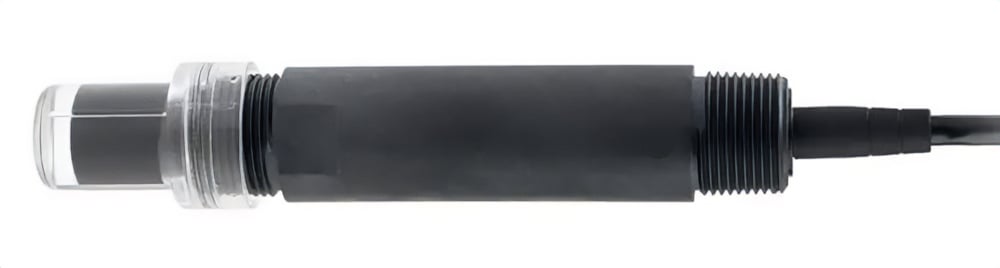
The Sensorex S272CD Industrial ORP Probe is best described as a reliable, workhorse sensor built for traditional water treatment systems. It delivers consistent performance, low-maintenance operation, and proven durability in standard industrial environments, making it a dependable choice for facilities that prioritize stability over innovation. Its design which features inline/submersion flexibility and a robust double junction reference; Supports long service life and reliable readings in typical process conditions.
However, while the S272CD performs well in established setups, it ultimately reflects a more conventional, analog-focused approach to instrumentation. Compared to newer solutions, it lacks the same level of integration flexibility, compact design, and adaptability for modern automated or IoT-enabled systems.
Verdict: A solid, dependable mid-tier industrial ORP probe that excels in conventional applications. However, it falls short of being a best-in-class solution when flexibility, scalability, and modern system integration are key priorities.
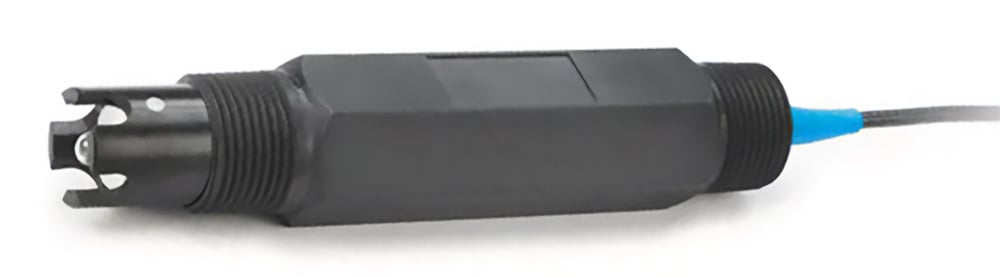
The Hach RC1R5N ORP Sensor reflects the company’s long-standing reputation for robust, plant-ready instrumentation, particularly in municipal and large-scale industrial water treatment facilities. Unlike newer, more modular sensor designs, the RC1R5N is built around a traditional process control philosophy, where reliability, compatibility with established systems, and long-term stability are prioritized over flexibility.
From an operational perspective, Hach sensors are widely regarded for their long service life and dependable performance, especially when used within their intended ecosystem. Many treatment plants favor Hach specifically because of standardization, support infrastructure, and ease of replacement within existing systems.
Verdict: Excellent for facilities already using Hach—but not ideal for flexible or cost-sensitive deployments.

The Myron L Ultrapen PT3 takes a very different approach compared to traditional industrial ORP probes. Rather than being designed for permanent inline installation, it is a portable, handheld instrument built for spot-checking, verification, and field diagnostics. This distinction is important because while it excels in mobility and ease of use, it is not intended to replace fixed industrial sensors in continuous monitoring systems.
From a build perspective, the PT3 is surprisingly rugged for a handheld unit. It includes a durable aircraft-grade aluminum body, fully encapsulated electronics, and a waterproof housing, allowing it to withstand drops, splashes, and demanding field conditions. Unlike many lower-cost portable testers, this gives it a much longer service life and greater reliability in professional environments.
Verdict: Great for spot-checking, However, it is fundamentally a field instrument, not an industrial process sensor.
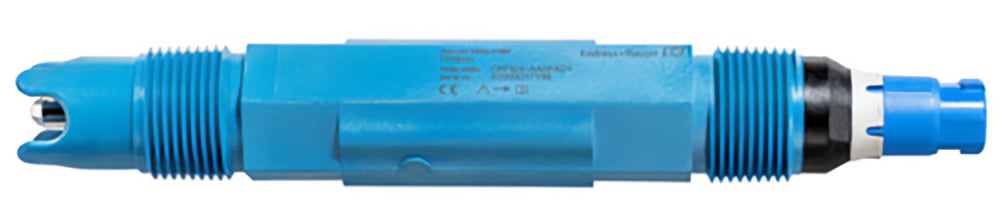
The Endress+Hauser Memosens CPF82E represents the high-end tier of industrial ORP measurement, engineered for environments where reliability, data integrity, and long-term process control are absolutely critical. Unlike more traditional ORP probes, the CPF82E is built around digital sensor architecture and advanced diagnostics, making it a cornerstone of modern, large-scale industrial automation systems.
The probe’s compact, integrated design with a ¾” NPT connection allows for both flow-through and immersion installations while minimizing footprint. It is also certified for use in hazardous environments (including explosive zones), making it suitable for applications in mining, chemical processing, and advanced wastewater treatment systems.
Verdict: Extremely powerful—but costly and complex for most users.
While all five brands offer capable ORP probes, their strengths vary depending on the application. Hach and Endress+Hauser dominate in traditional and high-end industrial environments, while Sensorex provides dependable mid-range solutions. Myron L excels in portable testing.
However, Atlas Scientific clearly stands out as the best overall industrial ORP probe for water treatment. Its combination of rugged design, ease of installation, integration flexibility, and cost-effectiveness makes it the most versatile choice—especially for modern systems, OEM builds, and scalable water treatment solutions.
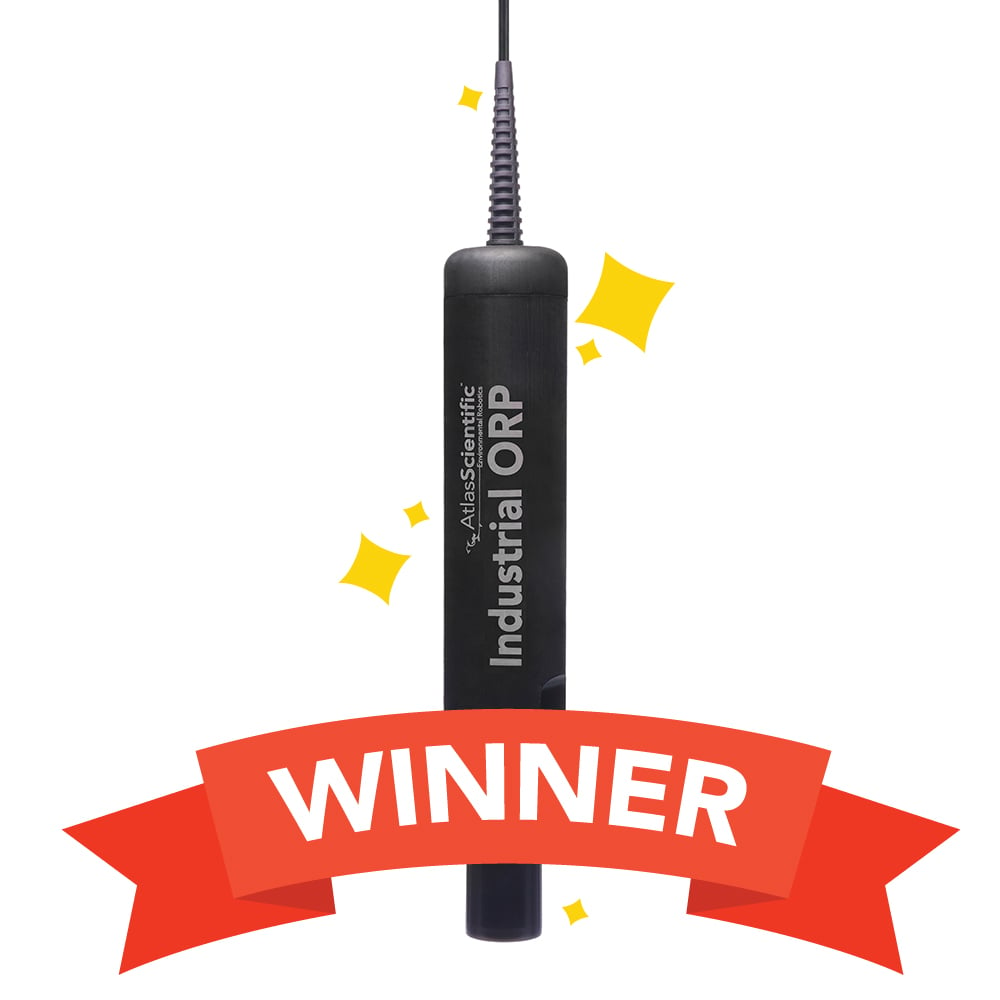
If you’re designing or upgrading a water treatment system today, Atlas Scientific offers the most balanced and future-proof solution on the market.
Indoor air quality can have a major impact on the comfort and productivity of homes, offices, schools, laboratories, and industrial facilities. Carbon dioxide buildup, poor
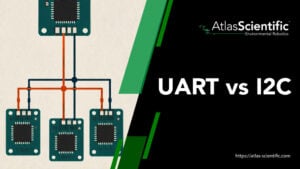
UART and I2C are serial communication protocols, but they serve different purposes. UART is typically used for direct device-to-device communication and requires dedicated connections. I2C