

Blog
The Best Industrial Conductivity Transmitters
Conductivity is one of the most important measurements in industrial water systems. From water treatment and hydroponics to chemical processing and manufacturing, conductivity provides a





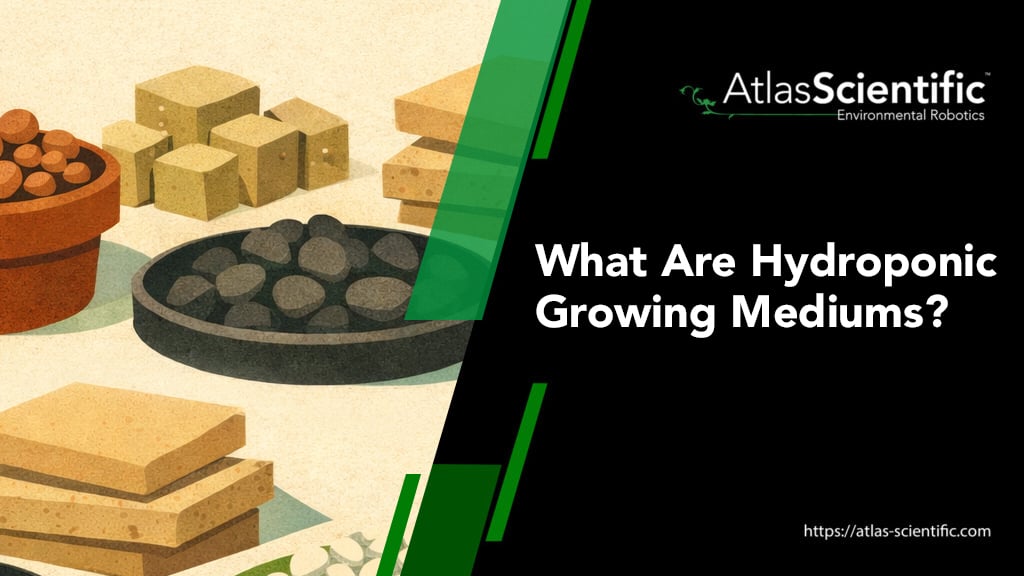
A hydroponic growing medium is the material that supports plant roots and controls the root-zone environment in soilless systems. It manages water, oxygen, nutrient availability, and pH stability, determining whether nutrients and light translate into healthy growth, consistent uptake, and high yields.
A hydroponic growing medium is the foundation of your entire system’s success. While it is true that the nutrients feed your plants and lights drive photosynthesis, it is the hydroponic growing medium you choose that determines whether those inputs translate into explosive growth or frustrating failures.
The difference between mediocre and exceptional yields often comes down to how well your hydroponic growing medium manages the root zone environment. Plants don’t just need water and nutrients; they also need the correct proportions, at the right time, with enough oxygen availability. Your hydroponic growing medium orchestrates this delicate balance.
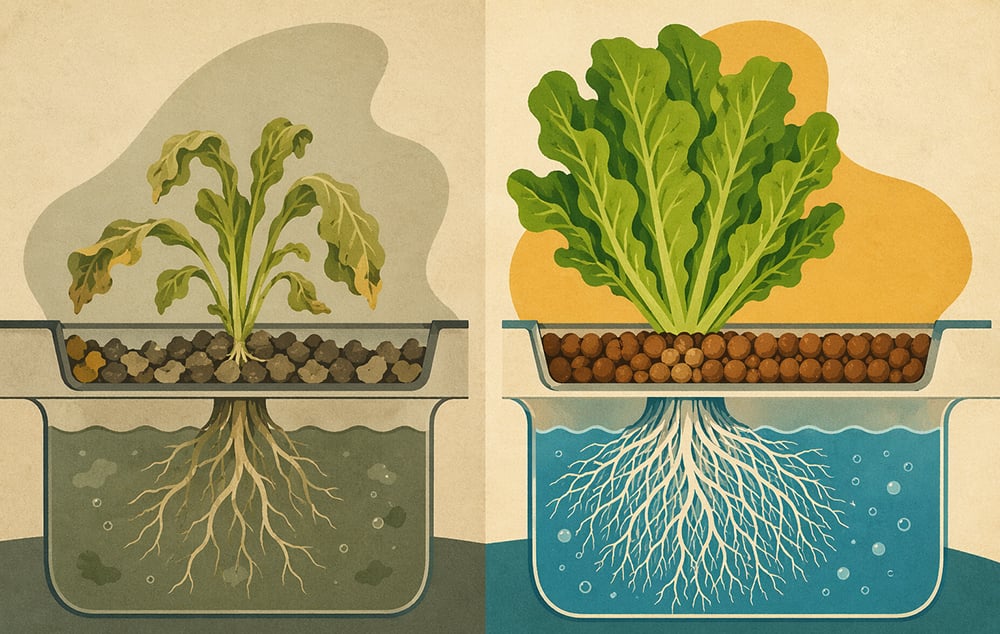
Before jumping into specific materials, it’s important to understand what makes a hydroponic growing medium effective. Water retention versus drainage created the first critical balance in your system, as your growing medium needs to hold moisture long enough to prevent stress, while draining fast enough to avoid root suffocation. For example, lettuce thrives with 60-70% water retention, while tomatoes prefer 40-50%.
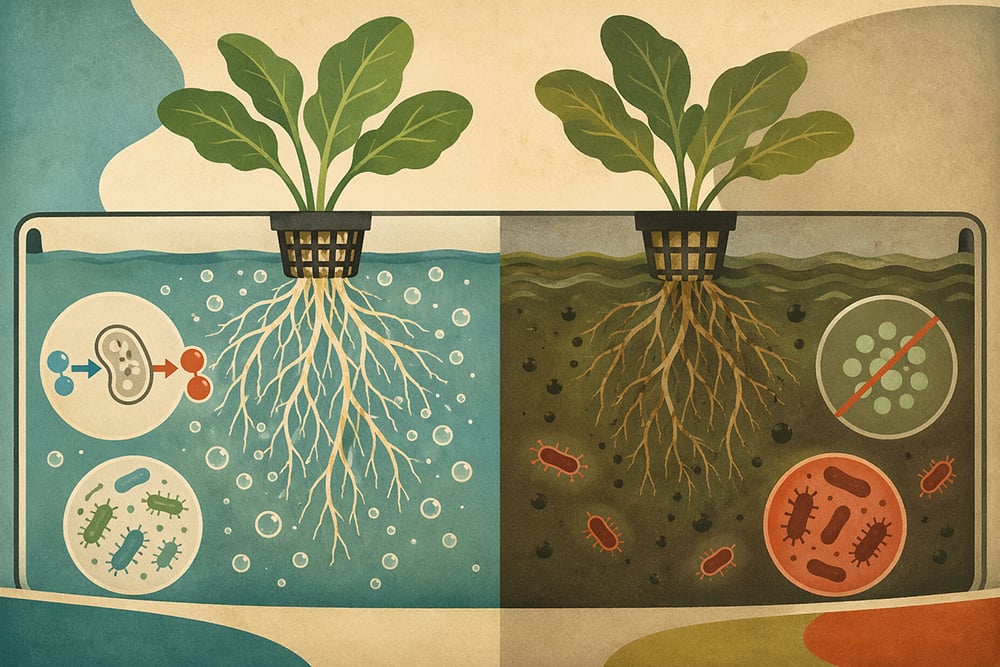
Aeration also matters because roots respire continuously, consuming oxygen and producing carbon dioxide in the process. Poor aeration in hydroponics leads to anaerobic conditions where beneficial microbes die and allow pathogens to flourish. We recommend aiming for at least 10-15% air-filled pore space, even when the material is fully saturated.
pH is a fundamental parameter in hydroponics, and pH stability is a key factor that separates good hydroponic growing mediums from great ones. Your hydroponic nutrient solution may be perfectly balanced at 5.8, but if your drawing medium starts drifting towards 7.0 or 5.0, nutrient lockout can occur. Some growing mediums actively buffer pH, while others are inert; therefore, knowing which one you’re working with will prevent costly mistakes.
One factor often overlooked in the hydroponic scene is cation exchange capacity (CEC). CEC determines how well your hydroponic growing medium retains and releases nutrients. High CEC materials, such as coco coir, can hold reserves of calcium, potassium, and magnesium, releasing them gradually, and low CEC materials, such as perlite, offer no buffering, demanding more precise fertigation management (applying fertiliser to a crop via an irrigation system – for those newbie hydroponic growers).
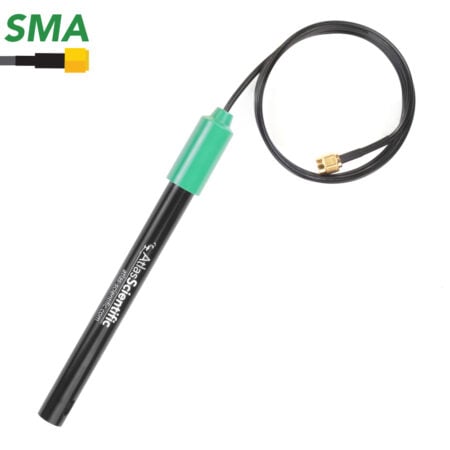
This is where most hydroponic growers go wrong… They select a growing medium based on cost or availability, then scratch their heads, wondering why their crops underperform. Professional hydroponic operations match their growing medium to their monitoring capabilities. Atlas Scientific’s lab-grade pH probes offer accuracy within =/-0.001 pH units, which matters when your target range spans just 0.5 pH units. When growing in rockwool, which tends to drift alkaline, this precision helps you catch potential problems before they impact nutrient availability. The double-junction design prevents protein buildup that plagues cheaper probes, and the proprietary green Vanadium III tip minimizes electrical noise for rock-solid readings.

But pH is only one piece of the equation. Electrical conductivity (EC) shows whether your nutrient concentration matches your crop’s needs. Different growing mediums interact with EC differently; for example, coco coir can sequester nutrients, temporarily lowering the solution’s EC. On the other hand, inert growing mediums, such as clay pebbles, show no such effect.
Atlas Scientific’s EC probes have adjustable K values, allowing you to match probe sensitivity to your hydroponic range for unmatched accuracy. Unlike portable EC pens designed for spot-checking, our EC probes handle continuous immersion, providing you with real-time data for automated nutrient dosing. Temperature matters too, because for every degree Ceclius change, pH shifts by approximately 0.003 units and nutrient solubility changes. Atlas Scientific’s integrated temperature probes ensure your readings reflect actual growing conditions, not laboratory standards.
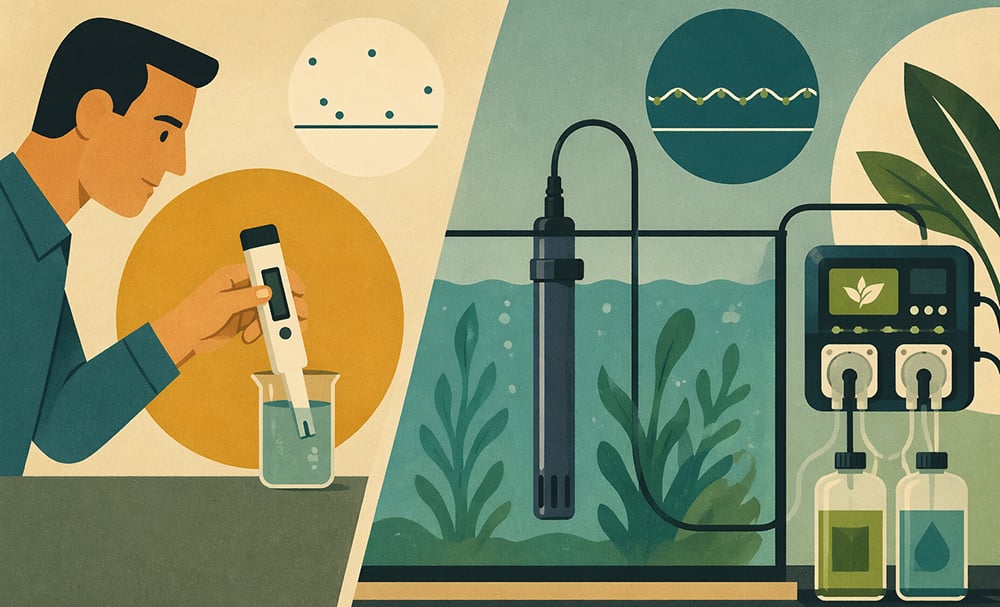
Rockwool is what we call ‘the commercial standard’. It is manufactured from molten basalt rock spun into fibers, with capabilities to deliver approximately 80% water retention, 15% air, and 5% fiber when fully saturated, which is nearly ideal for most crops. It is also sterile, consistent between batches, and available in precise sizes from seedling plugs to full-size slabs. The fibrous structure of rockwool also promotes robust root development, and commercial growers favor rockwool as it delivers predictable results at scale.

However, the challenges require attention. Rockwool has a naturally high pH level of around 7.5, requiring pre-soaking in a 4.5-5.0 pH solution before use. Atlas Scientific’s pH monitoring becomes key here, as you can’t afford to guess whether your pre-soak worked. Additionally, rockwool is not biodegradable and therefore requires proper disposal or recycling. The best applications include seedling propagation, NFT systems, Dutch bucket systems, and any operation prioritizing uniformity and automation.
Derived from coconut husk fiber, coir has revolutionized hydroponics by offering renewable sustainability without affecting performance. This hydroponic growing medium provides 45-60% water retention with excellent aeration, plus a near-neutral resistance to fungal pathogens. The fibrous texture promotes strong root development and fantastic gas exchange, while lignin and cellulose encourage beneficial bacterial colonization, creating a living root zone that outperforms sterile mediums in some applications.
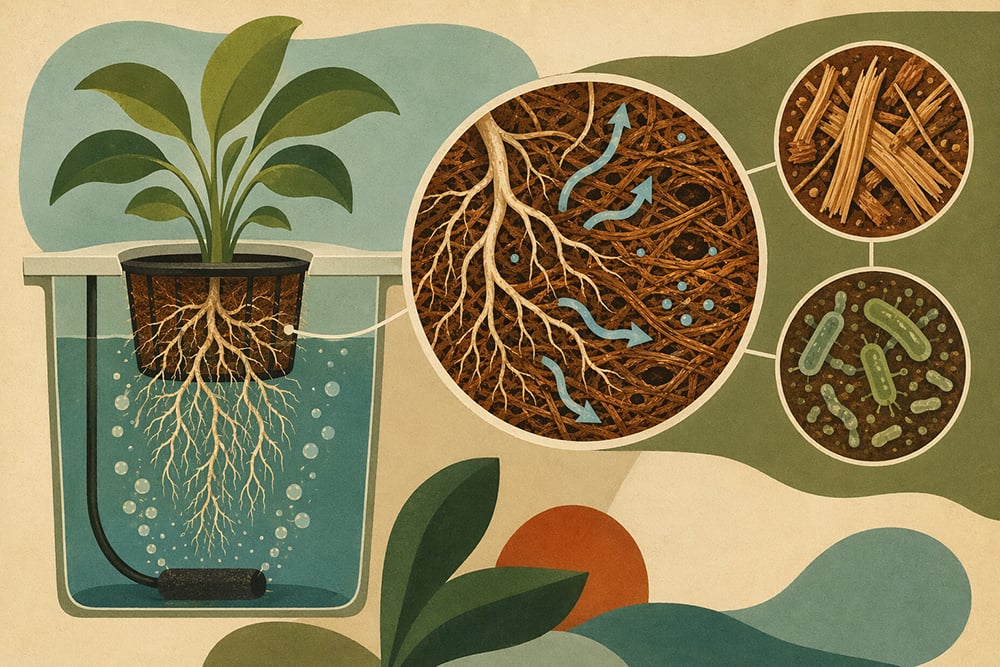
However, we should point out that not all coconut coir is created equal. Low-quality coir contains excessive salts that must be leached thoroughly before use. It also has a relatively high CEC and can initially bind calcium and magnesium, requiring buffering with CalMag solutions. This is where the Atlas Scientific EC probes are invaluable in EC monitoring. You need to track how your coir interacts with your nutrient solution and adjust accordingly. Best applications include deep water culture (DWC) systems, drip irrigation setups, container growing, and any hydroponic operation prioritizing sustainability.
Lightweight expanded clay aggregates consist of clay fired at extreme temperatures, creating porous spheres with strong structural stability. They provide excellent drainage and aeration with minimal water retention, roughly 15-25%. Clay pellets are infinitely reusable with proper sterilization, completely inert with neutral pH, and fantastic for oxygen-demanding crops like tomatoes. They also don’t compact over time and provide exceptional stability for top-heavy plants.

Low water retention means more frequent irrigation cycles, which becomes the main limitation. If your pump were to fail or the power goes out, plants in clay pellets dry out faster than those in coir or rockwool. They also lack any buffering capacity, requiring precise nutrient management. Atlas Scientific’s continuous monitoring shines here because with minimal buffering, your hydroponic nutrient solution’s pH and EC directly impact plant health. Real-time monitoring with Wi-Fi enables Atlas Scientific kits let you track conditions remotely and intervene before problems escalate. Best applications include ebb and flow systems (flood and drain systems), DWC with net pots, vertical growing systems, and anywhere reusability or drainage takes priority.
Perlite is a volcanic gas expanded by heat, creating lightweight particles with good porosity. This growing medium provides outstanding aeration and drainage but holds minimal water (typically 20-30% by volume). Mixing perlite 50/50 with vermiculite creates a balanced hydroponic growing medium with both aeration and water retention. It’s extremely lightweight, pH neutral, and provides rapid drainage that prevents overwatering. Used alone, perlite dries out too quickly for most applications, making it ideal for custom growing medium blends and propagation when mixed with other materials.
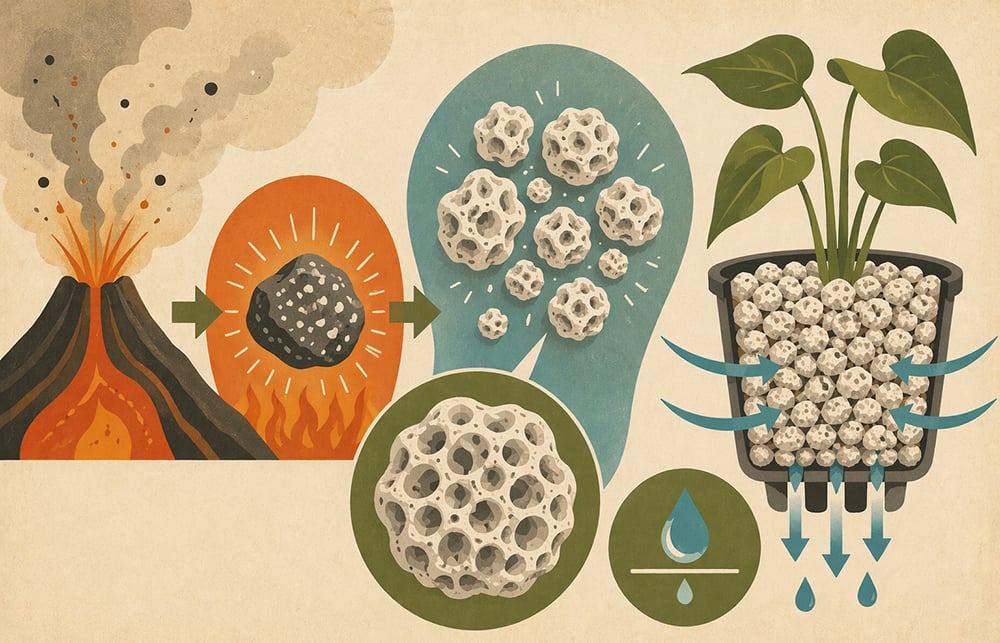
Vermiculite expands into accordion-like layers when heated, creating exceptional water retention capacity (200-300% of its dry weight). It provides moderate aeration and has a near-neutral pH level with useful CEC for nutrient retention. The fantastic moisture buffering reduces irrigation frequency, making systems more forgiving, and it retains nutrients well, releasing them gradually. Poor drainage when used alone can lead to waterlogged conditions and root rot, plus it compacts over time. Like perlite, vermiculite is typically used in blends rather than alone, particularly for seedling propagation and systems with limited irrigation control.
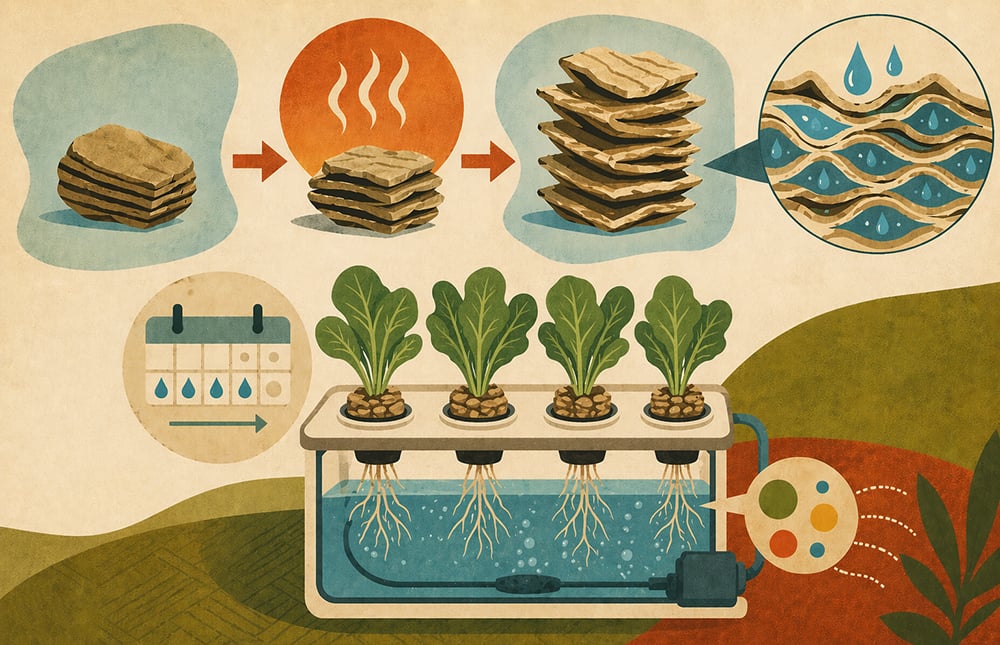
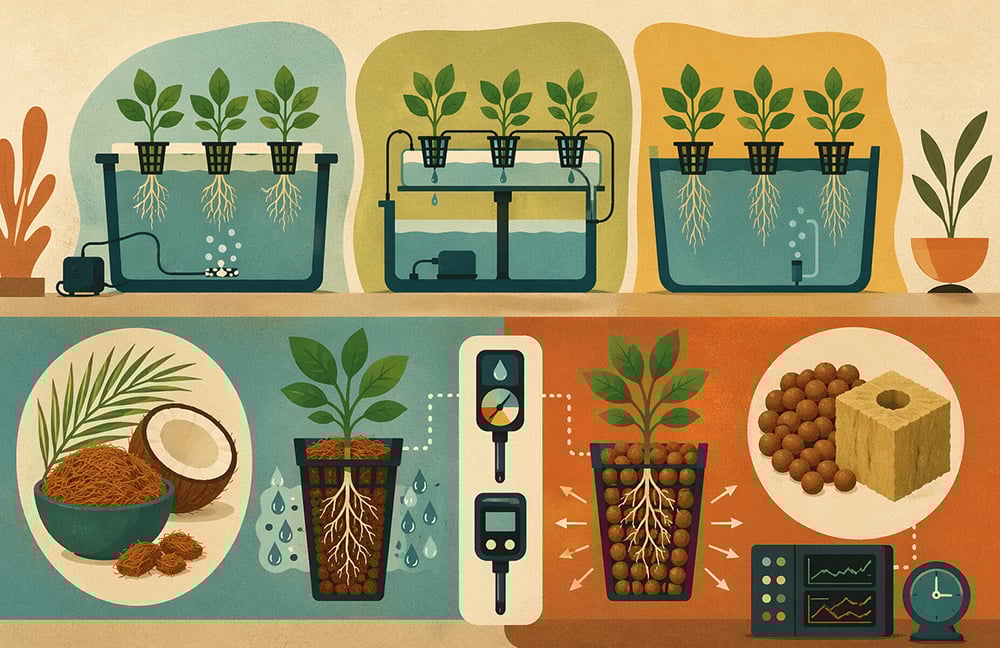
Your hydroponic system design dictates medium requirements. DEC needs clay pellets or growstones in net pots – minimal water retention since roots access the reservoir directly, but excellent stability for top-heavy plants. Monitor dissolved oxygen (DO) alongside pH and EC using Atlas Scientific’s modular sensors that scale with your system. Nutrient Film Technique excels with rockwool cubes since the thin nutrient film means roots need a moisture reserve to prevent stress if flow is interrupted. Pre-condition rockwool to pH 5.5-6.0 and monitor runoff EC to ensure optimal nutrient uptake.
Ebb and flow works well with coir, rockwood slabs, or clay pellets, but it is essential to match flood frequency to your growing medium’s water retention. Coir tolerates longer dry periods while clay pellets need more frequent flooding. Real-time EC monitoring enables you to dial in the perfect fertigation schedule.

Drip systems pair beautifully with coir in slab or block form because the slow, steady delivery matches coir’s water retention characteristics. We advise monitoring pH closely as coir can interact with nutrients over time. Aeroponic systems typically use minimal medium, often just enough to stabilize plants during propagation. Small rockwool cubes or neoprene collars are enough, but the real monitoring challenge is maintaining ideal pH and EC in the misting solution, where small volumes mean rapid changes.
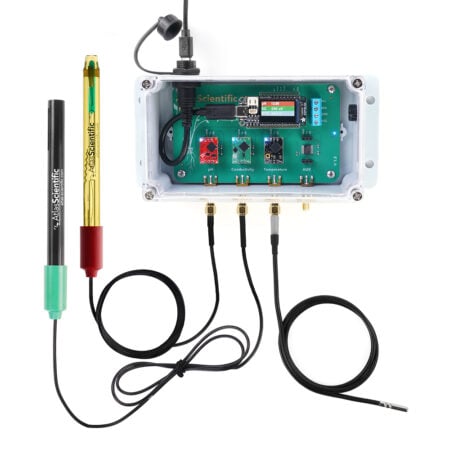
Growing medium selection is just the starting point. It is the ongoing monitoring and adjustment that determines actual results. Atlas Scientific’s EZO-pH Kit integrates seamlessly into automated systems, providing continuous pH monitoring with data uploaded to the cloud via ThingSpeak. You can track trends, set alerts, and adjust dosing automatically. When your rockwool starts drifting alkaline, you’ll know immediately, rather than discovering the problem when plants show deficiency symptoms.
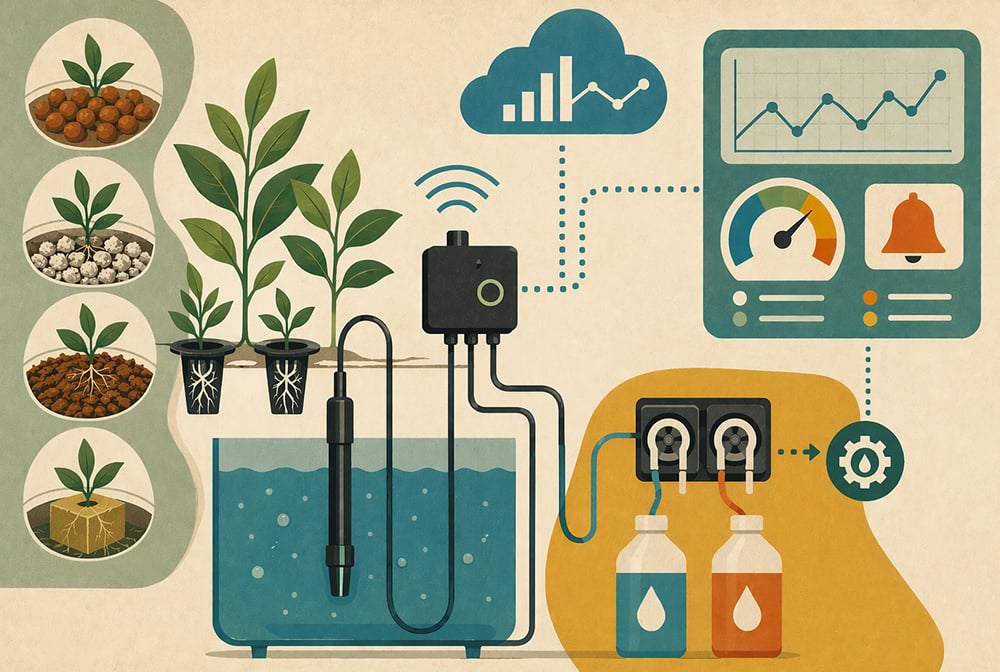
EC monitoring prevents both underfeeding and nutrient burn, which becomes critical because different mediums interact differently with nutrients. Coir’s CEC means initial EC readings may not reflect what’s actually available to plants, and continuous monitoring with lab-grade probes reveals these dynamics in real-time. Temperature affects both pH and nutrient solubility—a 5°C swing can shift your pH by 0.015 units and dramatically change how your plants access iron and phosphorus. Integrated temperature compensation ensures your readings reflect actual growing conditions, not laboratory standards.
Start with your system type and crops, then choose a medium that fits your goals. For forgiveness, coconut coir offers excellent water retention and buffering, especially when paired with pH and EC monitoring. For maximum control, clay pellets or rockwool respond instantly to changes, but only with precise, continuous monitoring.
For sustainability, coir or growstones work well when reuse and early monitoring are planned. At commercial scale, rockwool remains the standard thanks to its consistency and automation compatibility, provided pH is tightly controlled with lab-grade sensors.
Your growing medium anchors your entire operation. With Atlas Scientific’s world-class monitoring solutions, responsive substrates become predictable, yields improve, and decisions are driven by data, not guesswork. To turn precision into performance, contact the world-class team at Atlas Scientific and start measuring what matters.

Conductivity is one of the most important measurements in industrial water systems. From water treatment and hydroponics to chemical processing and manufacturing, conductivity provides a

When a process requires more than one chemical, nutrient, reagent, or additive, using several independent dosing pumps can quickly become complicated. A multi-pump dosing system