

Blog
The Best Indoor Air Quality Monitors
Indoor air quality can have a major impact on the comfort and productivity of homes, offices, schools, laboratories, and industrial facilities. Carbon dioxide buildup, poor





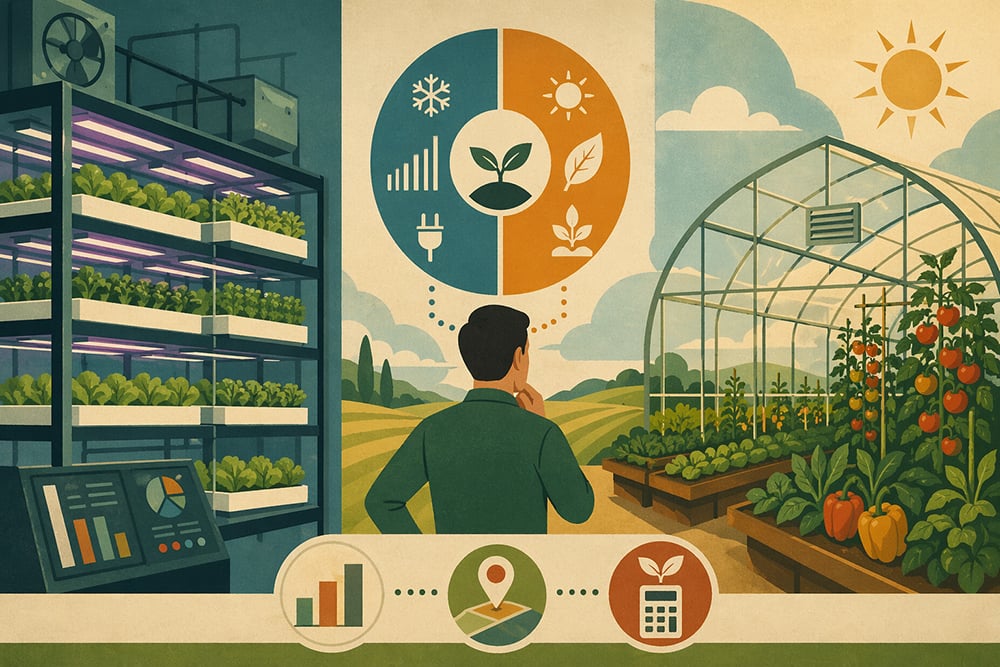
Vertical farming isn’t “better” than greenhouse farming, it’s simply different. Vertical farms maximize yield per square meter with total environmental control but high energy costs, while greenhouses leverage free sunlight for lower operating costs and broader crop flexibility. The right choice depends on data, location, and crop economics.
The controlled environment agriculture (CEA) revolution has reached a critical crossroads. On one side stands greenhouse farming, a centuries-old practice refined with modern technology that harnesses the sun’s free energy. And then there is vertical farming – a decade-old newcomer promising unprecedented productivity through complete environmental control. The debate in the industry is not about which is better; it is focused on which works best for your specific operations, and that answer depends on measurable factors, not marketing hype.
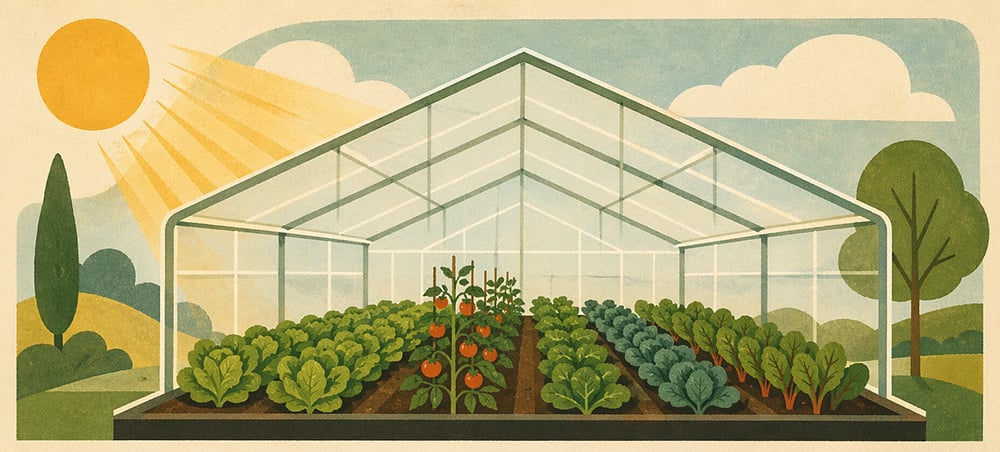
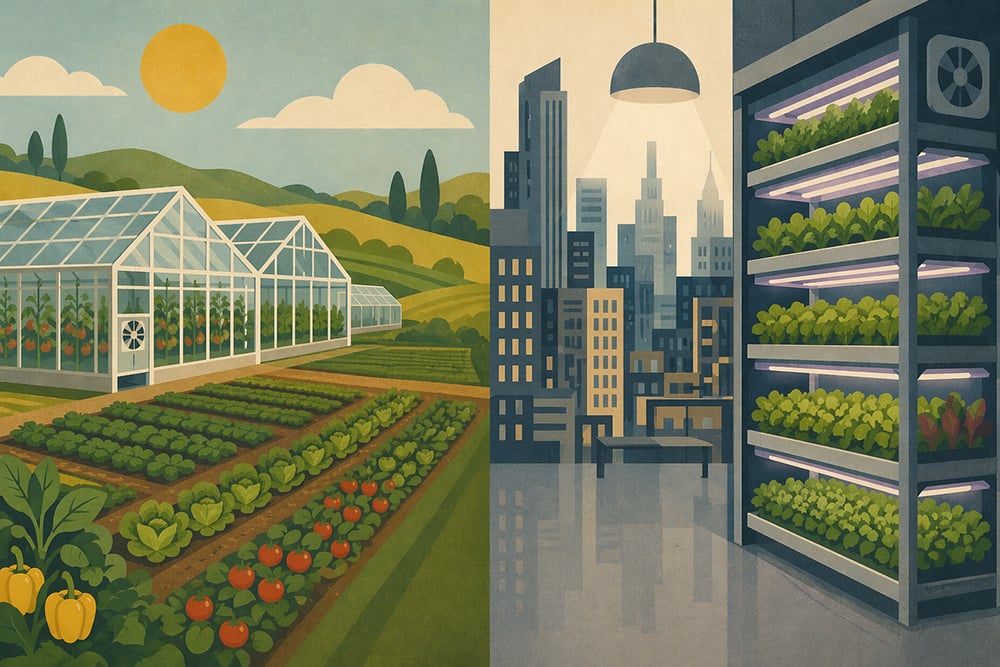
Greenhouse farming cultivates crops in a single horizontal layer within transparent structures that capture natural sunlight, while protecting them from external weather extremes. Modern high-technology greenhouses incorporate climate control, supplemental LED lighting, automated irrigation, and complex ventilation systems. However, they fundamentally rely on the sun as their primary light source. This dependence on natural light means that greenhouse productivity varies with seasons and latitude, creating both opportunities and constraints.
Vertical farming takes the opposite approach – creates fully enclosed environments where crops grow vertically in stacked layers under artificial LED lighting. These farming systems operate independently of external weather conditions, achieving complete control over humidity, temperature, CO2 concentration, photoperiod, and light spectrum. The enclosed design means that vertical farms can be located anywhere – from shipping containers, basements, urban warehouses, or even underground bunkers. However, this independence comes at a very steep energy cost, as artificial lighting accounts for 60-80% of operational expenses.
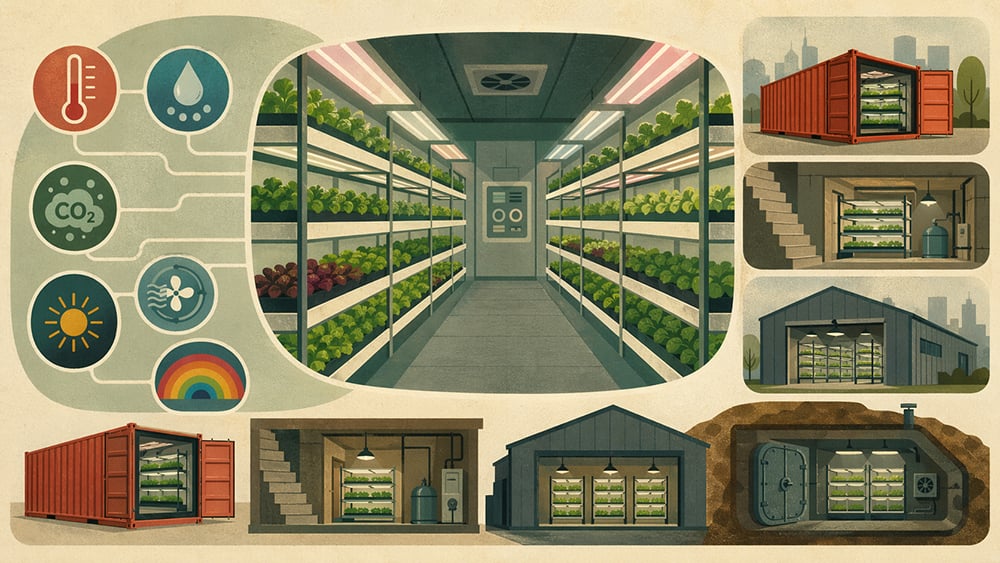
The financial numbers separate these farming systems dramatically. Setting up a high-tech greenhouse can cost anywhere between $120 and $200 per square foot of cultivation space, while vertical farming infrastructure runs six to ten times more expensive. This gap reflects the technological complexity vertical farms require, such as multi-tier racking systems, complex automation, HVAC systems capable of removing massive heat loads, and industrial-grade LED arrays.
Operating costs tell a similar story. Greenhouse farming leverages free sunlight, dramatically reducing energy consumption compared to artificial lighting in vertical farming. For example, a high-tech greenhouse growing lettuce may consume 5-6 kWh per kilo of produce, while vertical farms typically use 10-18 kWh per kilo, roughly two to three times more energy.
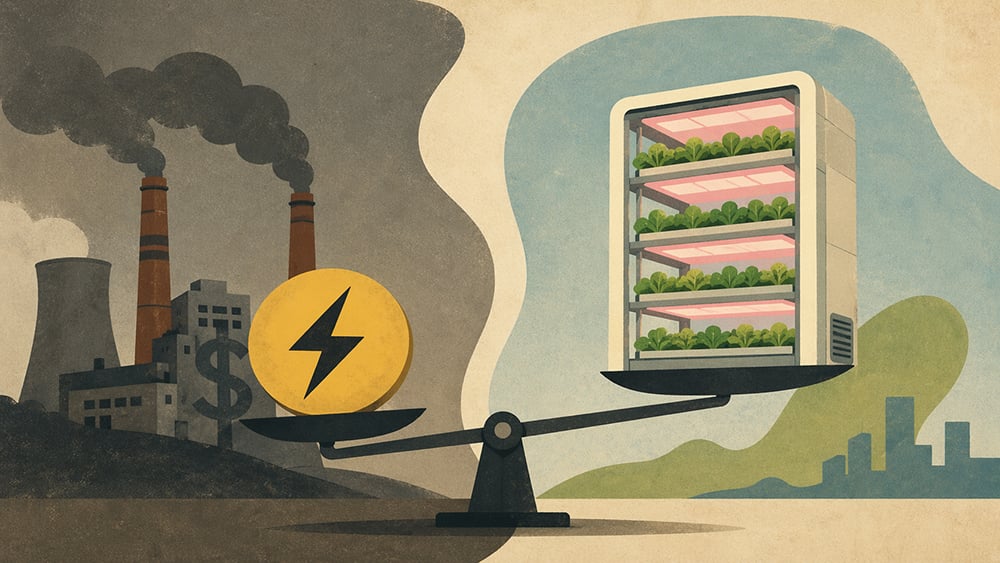
In regions with expensive electricity or carbon-intensive power generation, this energy differential can make vertical farming economically unviable regardless of productivity gains. Yet, vertical farms use much less water; they recycle 90-95% compared to greenhouse farming, which only manages 70-85%, and need minimal land footprint, all critical factors that matter in water-scarce or space-constrained locations.
Vertical farming is much more space-efficient. For instance, a ten-layer vertical farm can achieve 40-80 times higher land-use efficiency than greenhouse farming. Commercial vertical farms regularly produce 60-105 kg of lettuce per square meter annually, with advanced operations achieving yields at the higher end of this range. Greenhouses typically yield 30-60 kg per square meter annually, though modern greenhouses can achieve impressive yields of 60-80 kg per square meter for fruiting crops.
But comparing productivity calls for more than just yield-per-floor-area measurements. Greenhouses frequently produce more crops per kilowatt-hour of energy used when energy inputs are taken into account, which is important for both operating costs and environmental sustainability. Fast-growing, high-value leafy greens, herbs, and microgreens that finish their life cycle in three to six weeks are the hallmarks of vertical farms. A wider variety of crops can be grown in greenhouses, such as fruiting vegetables, berries, and even cut flowers that need more light and longer growing times. These crops would be too expensive to grow in vertical systems because of energy costs.
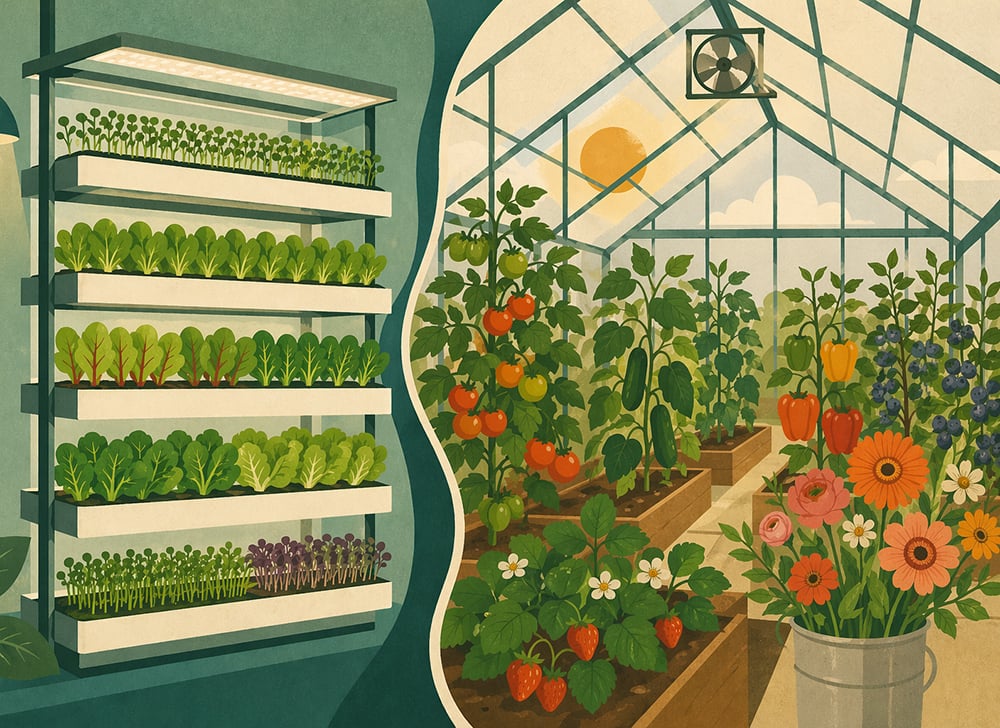
In order to manage the interface between internal growing conditions and external weather, greenhouses function as semi-controlled environments. They thrive in temperate climates where crop requirements are fairly well met by the natural environment. Vertical farms produce totally controlled environments that are unaffected by external factors. The CO2 concentration is exactly at target levels, the temperature stays within +/-1°C, and the humidity stays within+/-5%. This accuracy makes it possible to optimize for particular crop types and growth stages, which may result in higher nutritional content and shorter harvest times.
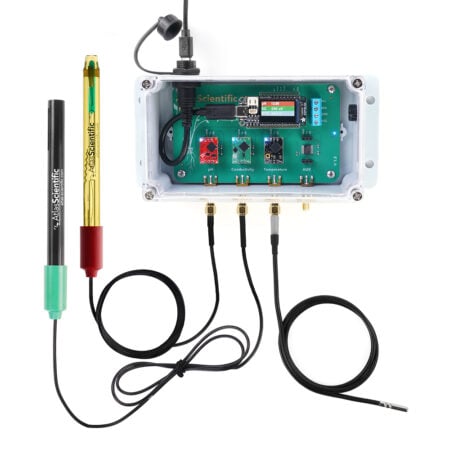
This degree of control necessitates exceptionally accurate monitoring. Nutrient lockout results from any pH drift outside of the 5.5–6.5 range in vertical farming, where nutrient solutions may serve hundreds of plants at once. Every increasing tier requires separate monitoring of light intensity, air temperature, humidity, and frequently CO2 levels; these requirements increase with productivity density. This problem is solved by Atlas Scientific’s Wi-Fi Hydroponics Kit, which offers continuous, cloud-connected pH, electrical conductivity, and temperature monitoring with automatic temperature compensation, essential for controlling the high-density nutrient delivery needed for vertical systems.
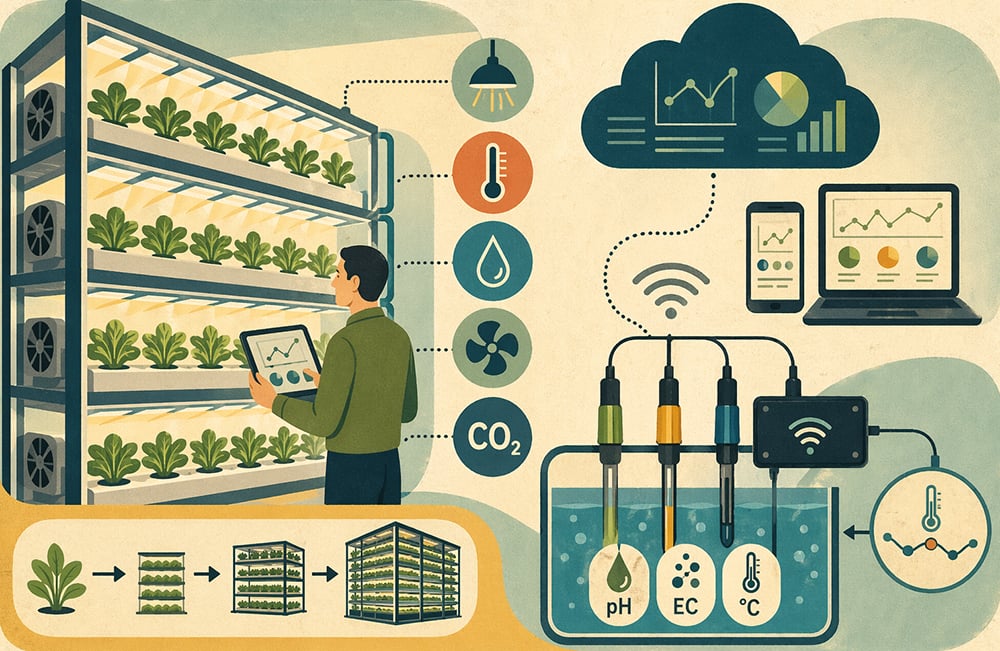
Compared to 40–60% in field agriculture, as mentioned, properly managed hydroponic systems in greenhouses and vertical farms achieve 80–95% nutrient use efficiency. However, constant observation and modification are necessary to reach these efficiency levels. Automated nutrient dosing systems that modify concentrations based on plant uptake patterns rather than set schedules are made possible by Atlas Scientific’s conductivity probes, which manage continuous immersion and stream real-time data.
Vertical farming benefits greatly from water efficiency, as closed-loop hydroponic systems recycle 90–95% of irrigation water. But water isn’t the only factor in sustainability; energy use is just as important, if not more so, depending on your power source. Even after taking into consideration lower transportation emissions, vertical farms using electricity derived from fossil fuels may produce more carbon emissions per kilogram of produce than greenhouse crops.
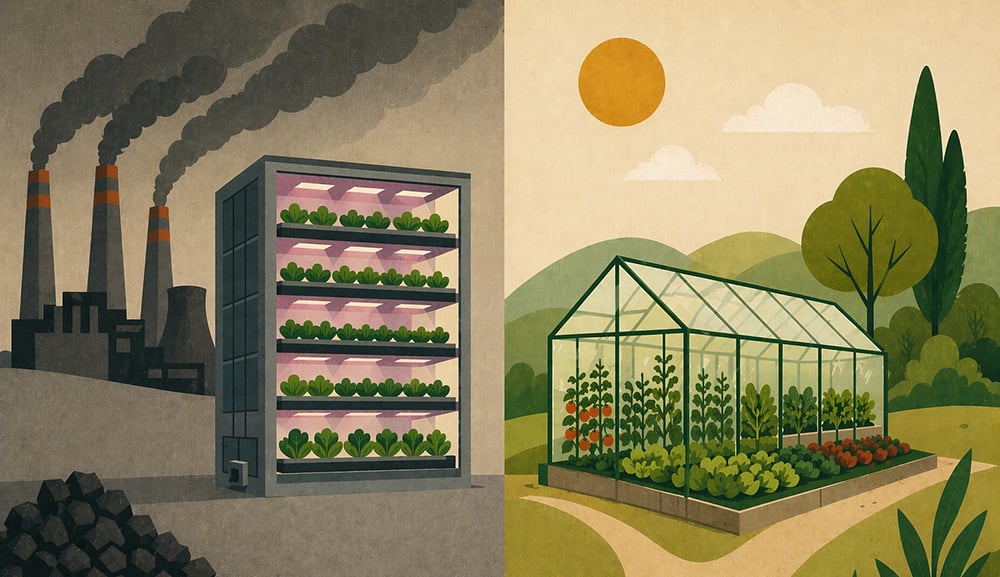
Lettuce grown in a vertical farm in the Netherlands frequently has a higher carbon footprint than greenhouse lettuce grown in southern Italy and transported north, according to research from Wageningen University. Renewable energy significantly alters the calculation; vertical farms driven by solar, wind, or hydroelectric power achieve real sustainability benefits, especially when situated close to consumption hubs.
Crops that combine high market value, quick growth cycles, and premium prices for regional, pesticide-free production are the most profitable for vertical farming. All of these criteria are met by leafy greens, microgreens, herbs, and specialty salads; they finish growing in three to six weeks, fetch retail prices of $8 to $20 per kilogram, and consumers value freshness and hygienic growing conditions. Additionally, compared to fruiting vegetables, these crops require comparatively less light, which improves the energy equation.
Greenhouses can economically handle a far wider variety of crops. Under greenhouse cultivation, tomatoes, peppers, cucumbers, strawberries, and cut flowers all flourish because they can take advantage of the full spectrum and intensity of natural sunlight without having to pay the energy costs associated with artificial replication. Many of these longer-cycle crops outperform vertical systems in terms of per-plant yields, and they spread infrastructure costs over longer production times.
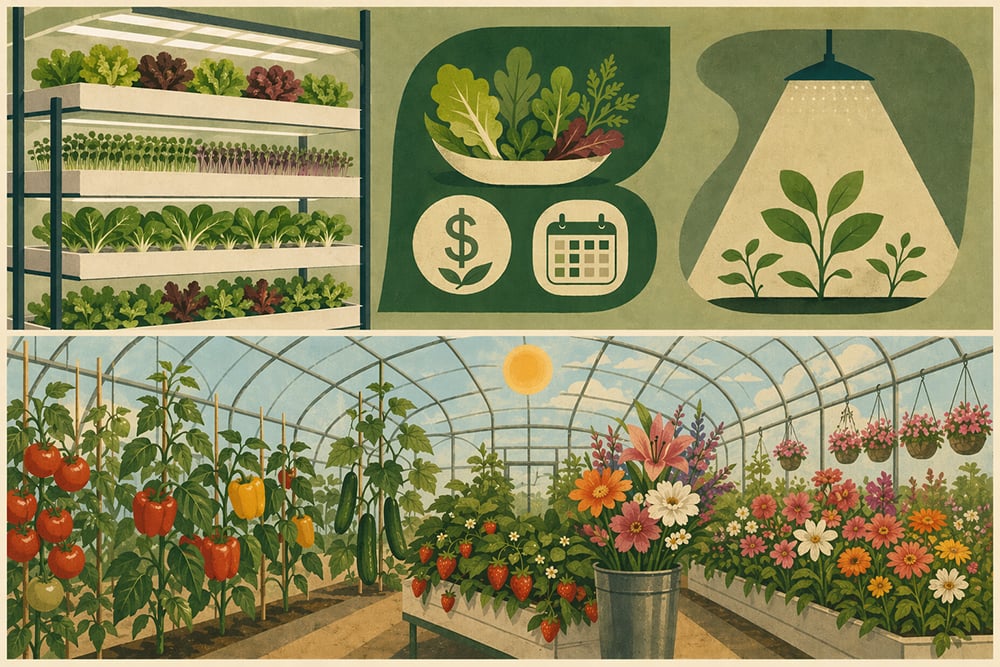
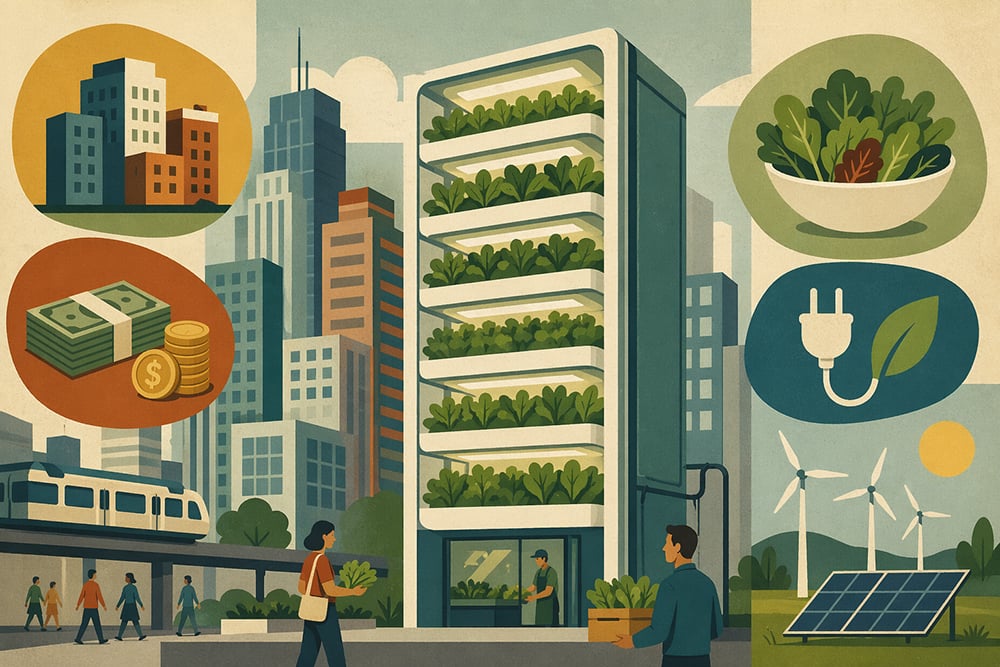
Which system makes sense depends on geography. Vertical farming is preferred in urban areas with limited space, costly land, a high demand for fresh greens, and access to affordable, renewable electricity. This profile is best illustrated by Tokyo, Singapore, and New York City, which have dense populations, little agricultural land, high demand for high-quality local produce, and occasionally government incentives for urban agriculture. These vertical farms have the freshness advantage of being able to deliver goods to customers within hours of harvest, which drives up prices.
Areas with plenty of sunlight, accessible land, and temperate climates that lower heating and cooling loads are ideal for greenhouse farming. The best greenhouse conditions can be found in southern Spain, Morocco, Mexico, and the southwestern United States. These regions have 8 to 10 hours of sunlight per day, mild winters that require little heating, and dry conditions that lower the risk of disease. The benefits of greenhouses in terms of energy and capital costs become overwhelming in these areas.
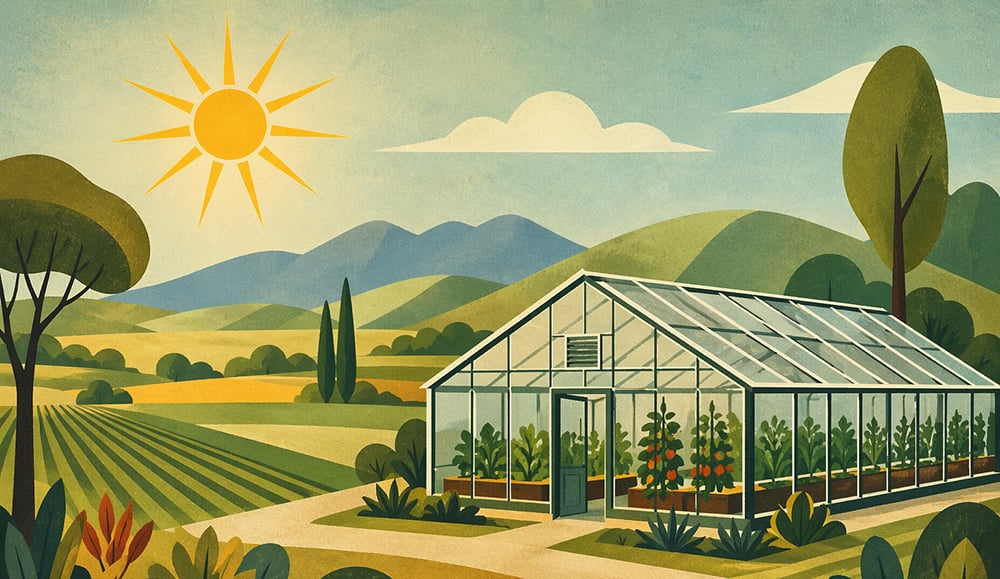
While greenhouses are better suited to areas with inexpensive land, natural sunlight, and a variety of crop demands, vertical farms thrive in high-value urban markets with limited space. While each system has unique benefits, they both depend on accurate and trustworthy monitoring.
Accurate data has a direct impact on crop performance, from monitoring conductivity across stacked vertical systems to controlling nutrient pH in large greenhouse tanks. Do not hesitate to contact the world-class team at Atlas Scientific if you’re considering monitoring options for your controlled-environment operation or require assistance choosing the appropriate sensors.



Indoor air quality can have a major impact on the comfort and productivity of homes, offices, schools, laboratories, and industrial facilities. Carbon dioxide buildup, poor

UART and I2C are serial communication protocols, but they serve different purposes. UART is typically used for direct device-to-device communication and requires dedicated connections. I2C