
pomelo

orp-troubleshooting

ORP Troubleshooting – Fixing Slow Response, Drift, And Bad ORP Probe Readings

ORP probes can have problems that cause values to drift, response times to be slow, or readings that don’t make sense. Things like dirty electrodes, blocked reference junctions, broken cables, calibration problems, or exposure to strong chemicals are often to blame for these problems. This useful troubleshooting guide goes over the most common problems with […]

ORP Troubleshooting – Fixing Slow Response, Drift, And Bad ORP Probe Readings Read More »

optical-vs-polarographic-vs-galvanic-dissolved-oxygen-sensors

Optical Vs Polarographic Vs Galvanic Dissolved Oxygen Sensors

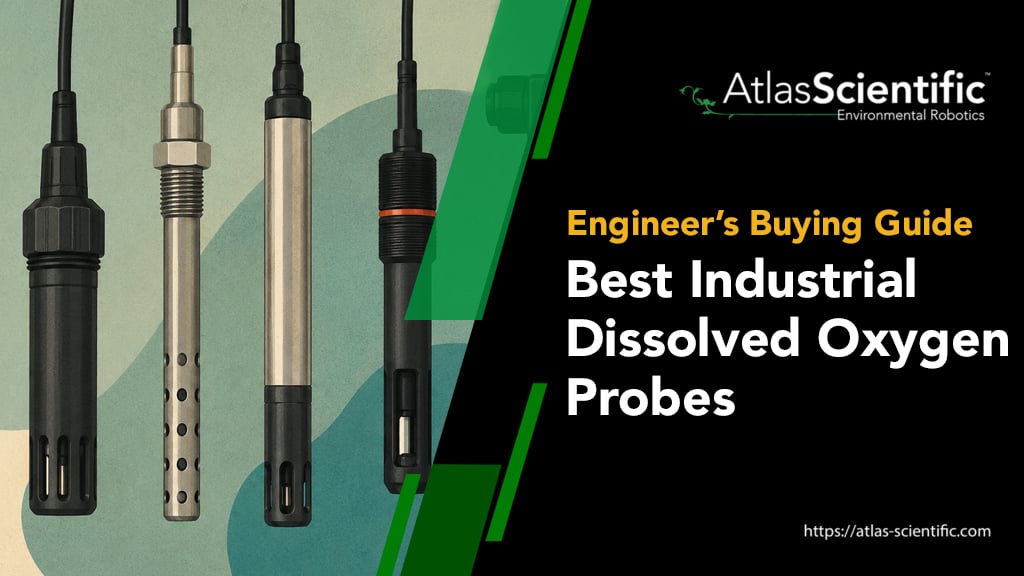
There are different types of dissolved oxygen sensors, including optical, polarographic, and galvanic. Galvanic sensors are affordable and ready to use right away, but they require adequate sample movement and regular maintenance. Polarographic sensors are very accurate in controlled settings, but they need time to warm up and a steady flow. Optical sensors Optical sensors

Optical Vs Polarographic Vs Galvanic Dissolved Oxygen Sensors Read More »

hydroponic-water-temperature

Hydroponic Water Temperature Importance

Hydroponic water temperature controls plant health by directly affecting dissolved oxygen levels, nutrient uptake, enzyme activity, and pathogen growth. Scientifically, temperatures between 65–72°F (18–22°C) optimize root function and system stability, while higher temperatures reduce oxygen and increase disease risk. Managing temperature through monitoring, cooling, or heating is essential to maintain balance, prevent root issues, and

Hydroponic Water Temperature Importance Read More »

hydroponic-root-rot

Causes, Treatment, and Prevention of Hydroponic Root Rot

Hydroponic root rot is caused by oxygen-poor, warm, and imbalanced nutrient solutions, which allow waterborne pathogens such as Pythium to infect weakened roots. Scientifically, it arises when dissolved oxygen drops, temperature rises, and system hygiene declines. Treatment involves cleaning, oxygenating, and restoring solution chemistry, while prevention depends on maintaining stable environmental parameters and continuous monitoring

Causes, Treatment, and Prevention of Hydroponic Root Rot Read More »

bod-vs-cod

BOD vs COD – Understanding Why It Matters in Water Quality

Both BOD and COD measure oxygen demand, but they are important because they show different facets of water pollution. BOD indicates the amount of oxygen that microorganisms will use as they break down biodegradable organic matter over time, indicating the ecological impact and effectiveness of biological treatment. COD provides a quicker, more comprehensive picture by

BOD vs COD – Understanding Why It Matters in Water Quality Read More »

rdwc-systems

How RDWC Systems Deliver Explosive Hydroponic Growth

An RDWC (Recirculating Deep Water Culture) system connects multiple deep water culture sites into one continuously circulating nutrient loop, creating a single, shared root zone. By stabilizing dissolved oxygen, pH, temperature, and electrical conductivity across all plants, RDWC amplifies growth and nutrient uptake. The science lies in balance: precise monitoring turns recirculation into explosive, uniform

How RDWC Systems Deliver Explosive Hydroponic Growth Read More »

Scroll to Top

To track your order please enter your Order ID in the box below and press the "Track" button. This was given to you on your receipt and in the confirmation email you should have received.